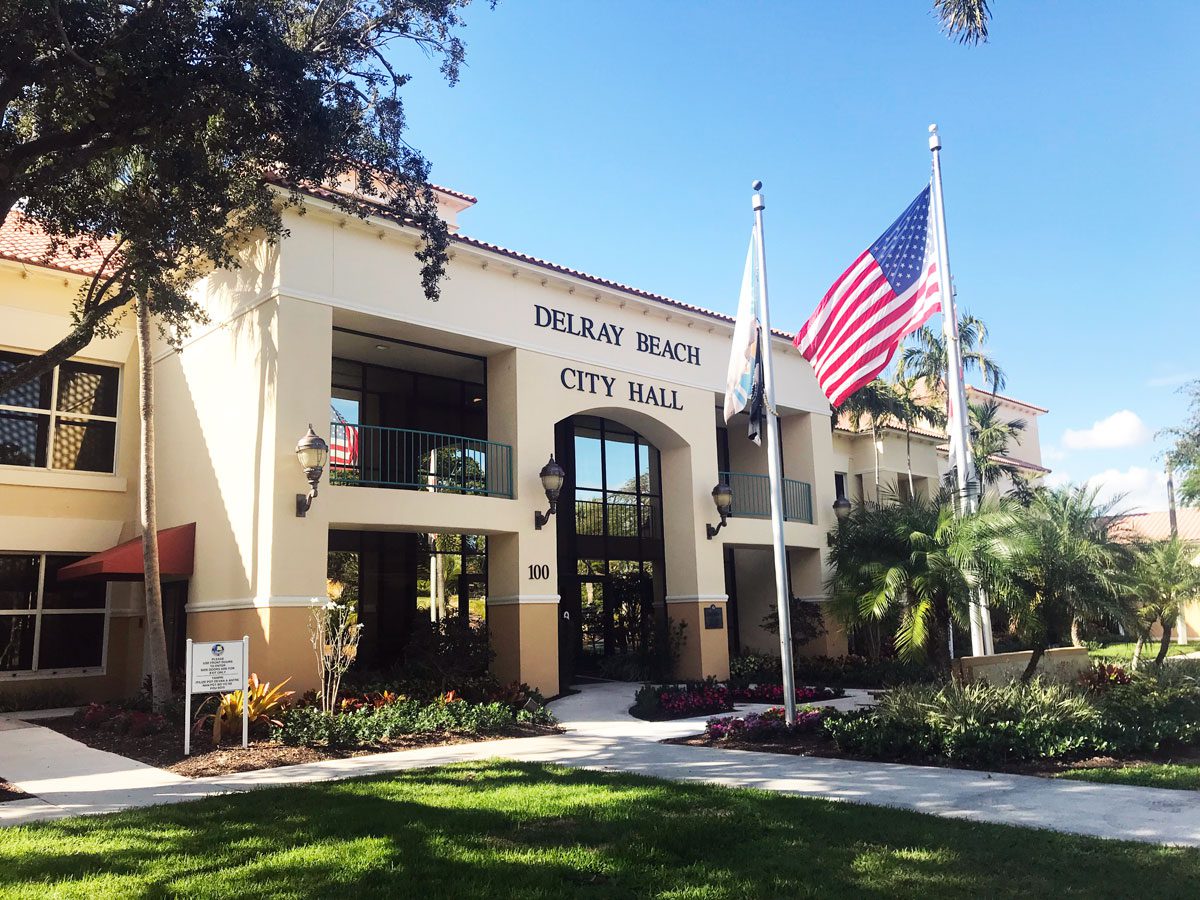
Delray Beach on Tuesday approved a 4.5% increase to the city’s millage rate for next year.
It was proposed at last week’s budget workshop meeting to increase the millage rate from 6.16 to 6.44, which would cost the average homeowner $342 per year. The increase in millage rate is tied to an increase in expenses, which have risen by more than 6% year over year since 2017. The largest increases in expenses for next year’s budget are for the fire department, public works and engineering, and development services.
The commission voted 4-1 in favor of raising the maximum millage rate. A lower rate can still be approved for the final budget. Mayor Tom Carney was the lone dissenting vote, arguing the City should maintain the current millage rate and instead cut expenses.
The commission will take a closer look at the budget in the coming months before its approval in mid-September. There will likely be a battle over budget cuts, with Carney leading the charge in favor. Fire and police, which make up more than half of the operating budget, won’t be touched.
Any cuts will have to be weighed against maintaining quality of service, which to Carney appears a nebulous concept. “Nobody defines what they mean,” he says, referring to levels of service. Tangible examples of levels of service include differences in permit wait times, frequency of landscaping, myriad infrastructure improvements, and much more.
Potential cuts floated by Carney during the meeting included “scrutinizing overtime, delaying non-essential new hires, deferring non-critical capital purchases, and consolidating administrative functions.”
“Much of that work has been done,” said City Manager Terrence Moore during the meeting.
A town hall where the public is invited to weigh in on next year’s budget is scheduled for today at 6 p.m. at the Creative Arts School at Old School Square. After the town hall, there will be two public hearings to finalize and approve the budget in September.
Delray’s Subculture debacle inches toward resolution
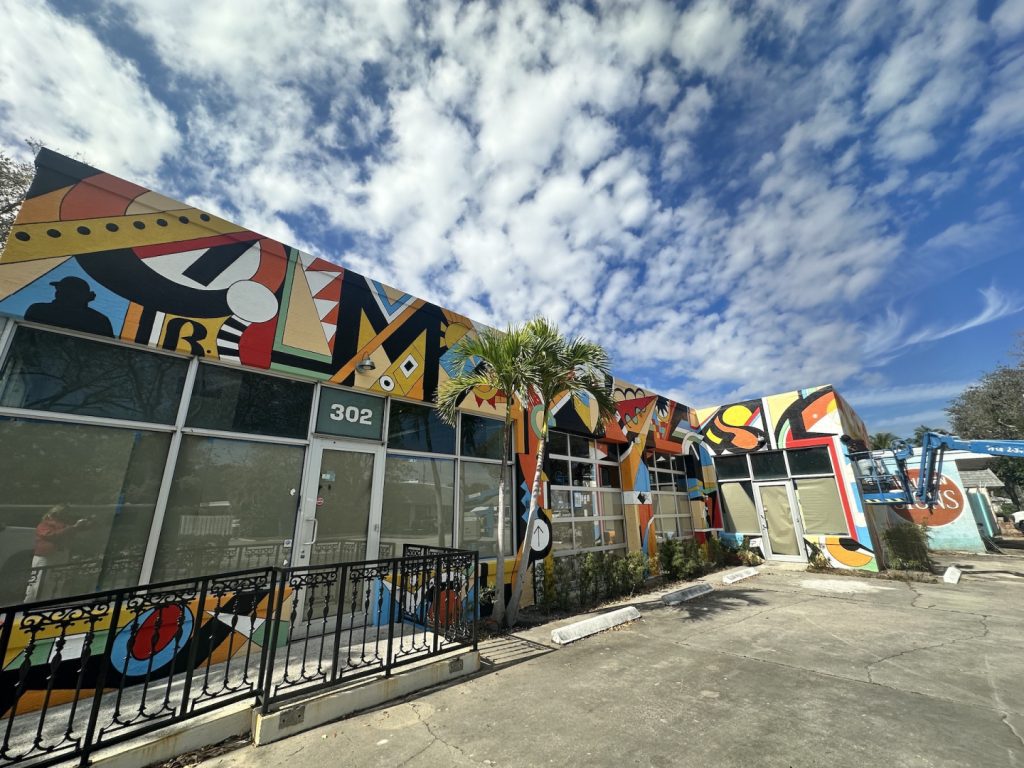
More than 110 days ago, Subculture Coffee in Delray Beach was given 90 days to resolve its outstanding parking issues. As of this week, those issues have still not been resolved. According to a representative from Subculture who spoke at this week’s city commission meeting, it’s not from lack of trying.
In the months since the coffee shop was given an ultimatum of expanding parking or risk closure, Subculture took the following steps to address City concerns:
- Put forward an agreement that employees would park offsite, though no signed agreements from the employees were provided
- Proposed a parking arrangement with the nearby Richwagen’s Bike & Sport, though no arrangement was agreed upon
- Sought to update its Zoning Certificate of Use, though the application had expired
- A contractor that Subculture hired to restripe the parking lot fell through. The second contractor then submitted documents to the City through the wrong portal.
City commissioners expressed frustration that Subculture had failed to meet its mandated parking requirements. Furthermore, Subculture failed to pay its final in lieu parking payment to the City. The in-lieu parking agreement was made so that Subculture could operate with eight onsite parking spaces instead of the mandated 13. Subculture’s attorney notified the City that it was holding those funds in escrow.
The Subculture representative at Tuesday’s meeting stated, “[Subculture owner Rodney Mayo]’s position is that, because everything’s still up in the air, why would he pay the full amount?” But those fees represent a financial obligation to the City, and payment isn’t an option.
The City will now consider revocation of Subculture’s in-lieu parking agreement at the Aug. 18 meeting. If the parking agreement is revoked, Subculture will no longer be able to operate.
Rejected luxury townhome development to go back before commission
Delray Beach City Commissioners on Tuesday granted an unusual request.
At last week’s meeting, the commission voted to reject a proposed townhome development at 2419 N. Federal Highway after deadlocking in a 2-2 vote. Mayor Carney, whose brother stood to benefit from the project, recused himself. Because of the tie vote, a procedural vote had to be cast to kill the project.
Commissioners Juli Casale and Tom Markert voted against the project for not meeting the City’s performance standards—criteria that governs development.
The developer can’t make any modifications to the project without resubmitting the application and starting the whole process anew. The developer is essentially asking for a second chance at its presentation to make a stronger case for approval. It’s unlikely that Markert and Casale will be swayed.
The commission voted 3-1 for the developer to come before the commission at its Aug. 18 meeting. Carney recused himself and Markert was the only no vote. Casale voted yes, but with reservations.
“I fear that the public is going to view this as highly unusual,” said Casale. “And unfortunately, the project involves one of our colleagues’ relatives, so I’m concerned.”
New report outlines revenue losses if property tax bill is passed
A July 10 report from Florida’s Revenue Estimating Conference—a body of representatives from the State government that assess revenue demands and forecasts—shows just how much cities stand to lose over the coming years if voters approve a proposed property tax reform bill in November.
The report shows that by 2032, Boca Raton will collect nearly $30 million less in revenue as homestead exemptions expand. Delray Beach, meanwhile, is estimated to collect nearly $27.5 million less.
Both Boca and Delray officials have stressed the importance of public education ahead of the vote. A drop in revenue could mean a drop in services, or switching some services to a fee-based system. The proposed property tax bill will place an even higher tax burden on renters and low- to middle-income earners.