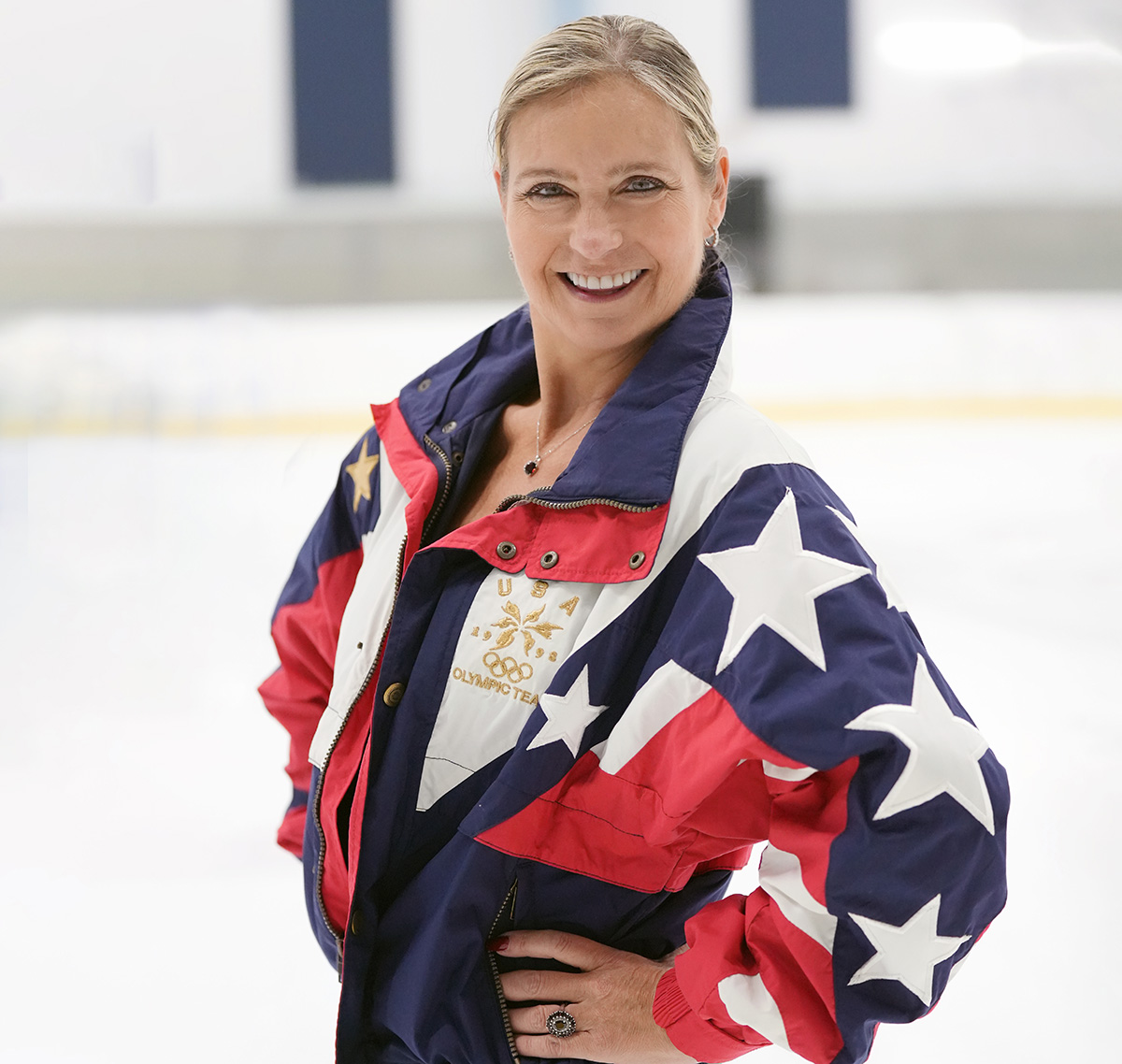
The world of competitive figure skating isn’t one to forgive or forget a scandal. The expectations of its athletes are clear: present yourself as a picture of elegance and grace both on and off the ice. If a skater makes headlines for anything other than a gold medal, that means trouble.
It was this thought at the back of Nicole Bobek’s mind that loomed over her surprise 1995 U.S. Figure Skating Championships win. Michelle Kwan was the clear favorite, the golden child who embodied all that was typically projected upon a figure skater; she was consistent, fluid, and disciplined. Bobek, meanwhile, was the wild card—raw, impulsive, and confrontational toward authority.
“I didn’t fit into the norm of what, at that time, skating was,” Bobek says. “The politics were so different, of how we had to act, how we had to look, how we spoke, and there was a lot of pressure on those things. And even though I did do those things [that were expected], I still had a bit of this wild streak in me.”
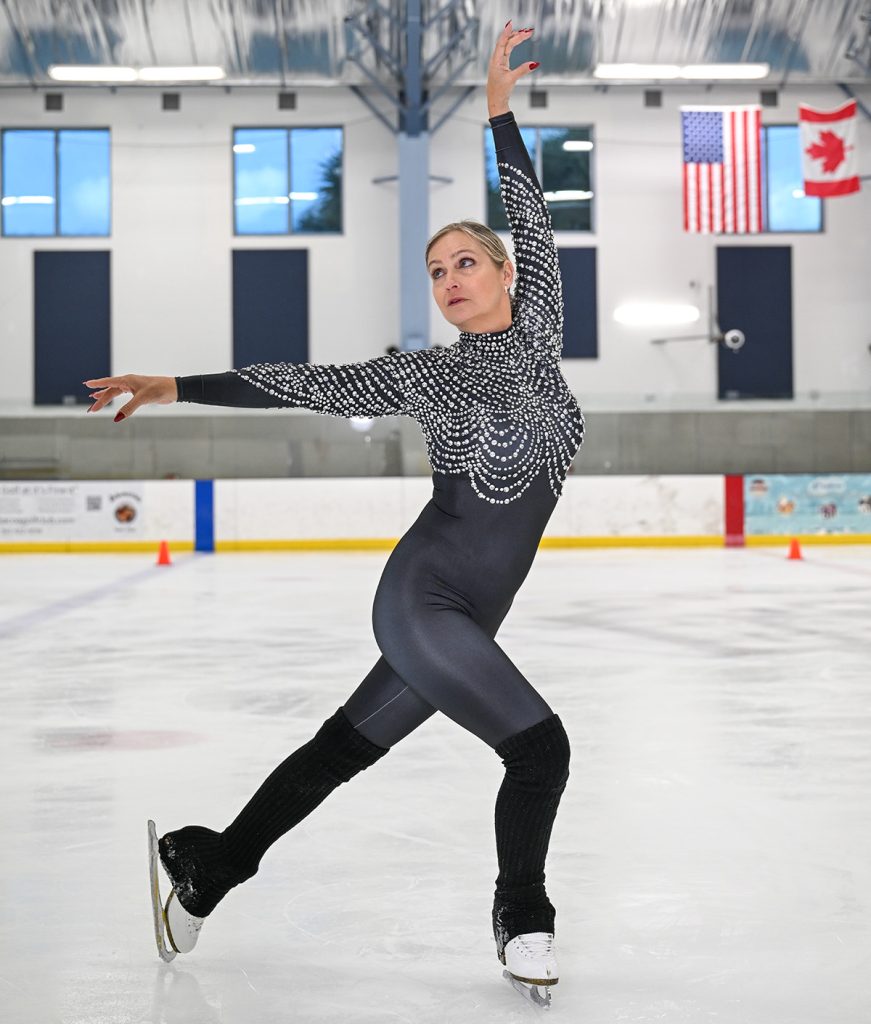
But Bobek won. Her routine to the soundtrack of Doctor Zhivago dazzled the crowd, the judges, and even herself. In footage from the performance, Bobek celebrates the landing of the elusive triple-toe loop with a subtle fist pump. But as she stood on the podium at the edge of her Olympic dreams, a secret that had worked its way through fi gure skating circles was about to hit the mainstream.
The year prior, Bobek had been charged with home invasion after entering the home of a friend who had given her the access code to the garage. Bobek took some cash that she found before being discovered by the homeowner, her friend’s father, who called the police. She claimed that her friend had given her permission to enter and take the cash. What followed was a legal battle that ended with Bobek, then 17, being placed on probation. The news traveled through the figure skating world but wouldn’t hit the tabloids until after her triumph at Nationals.
“I couldn’t really fully enjoy it, because I had that in the back of my head,” says Bobek of her Nationals win. The victory represented a turning point both personally and professionally for Bobek because of the media circus that ensued. Her life became defined by headlines even after her retirement from figure skating following the 1998 Winter Olympics, in which she competed with a hip injury and placed 17th. Now, with her memoir, Bobek: The Wild One, published in October 2025, Bobek sets the record straight on her tumultuous life in raw, literary detail.
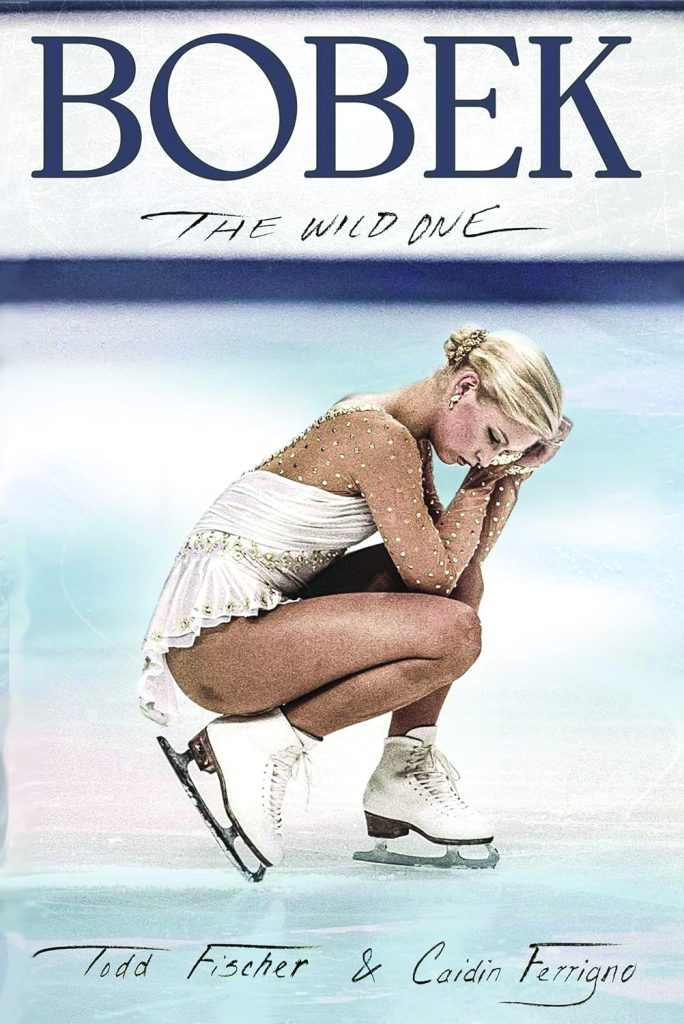
“I had to come clean, really with myself, with a lot of things, and I think a lot of memories and stuff I really just brushed under the rug and didn’t address for many, many years,” Bobek recalls. “It was really exhausting, because it was like, how many lives did this girl live?”
Bobek’s memoir takes readers through the highs of her career and the lows of her personal life—from competing in the Olympics to the depths of drug addiction—in unflinching detail, with no dark corners to spare. In her journey from teen prodigy to addict, then through recovery to motherhood, every stone is lovingly, and often painfully, turned over.
“This book, for me, [is] just an [acceptance] of everything that’s happened and how I’ve consistently learned from it, unfortunately, the hard way, but building up from that to where I am now,” Bobek says.
And where Bobek is now is Lake Worth Beach, as a happy mother with a renewed passion for the ice, free from the pressures of competition or performance.
“I have so much fun now going out on the ice,” she says. “I make little Instagram videos, I skate to whatever I want. I don’t have demands. Sometimes people write, like, ‘Why aren’t you jumping?’ Because I don’t need to. Because I’m 48, and I might break a hip.”
Bobek hopes her story can inspire others going through their own struggles, and maybe even avoid “the hard way” by which she learned her toughest lessons.
“A lot of people don’t make it through a lot of things that I’ve been through, and maybe I can be a light for somebody,” she says.
“I am fully accepting towards myself now, probably more than ever before. And now it’s like, you either get me or you don’t get me. If you don’t get me, it’s OK. The world will still keep moving.”
To order Nicole Bobek’s book, Bobek: The Wild One, click here.
This story is from the July/August 2026 issue of Boca magazine. For more like this, click here to subscribe to the magazine.