As a Friends fan, I remember an episode where Chandler tries to quit smoking, and Rachel recommends he listen to a “hypnosis tape” while he’s sleeping. It does help—he loses the cigs, but hilarity ensues when the tape, geared towards women, prompts him to absorb the mantra to be a “strong confident woman.”
Can we take advantage of our unconscious state and learn while we’re asleep? I recently explored this during a visit to the newly opened Delray Skin, the sister office to the Delray Dermatology and Cosmetic Center. I was invited to try a number of treatments, such as a facial, red-light therapy, sauna, steam capsule, leg compressions with a hydrogen cannula, and the HeadSpa—some things you’d expect from a spa, others more unique.
However, the treatment that left me curious was BrainTap.
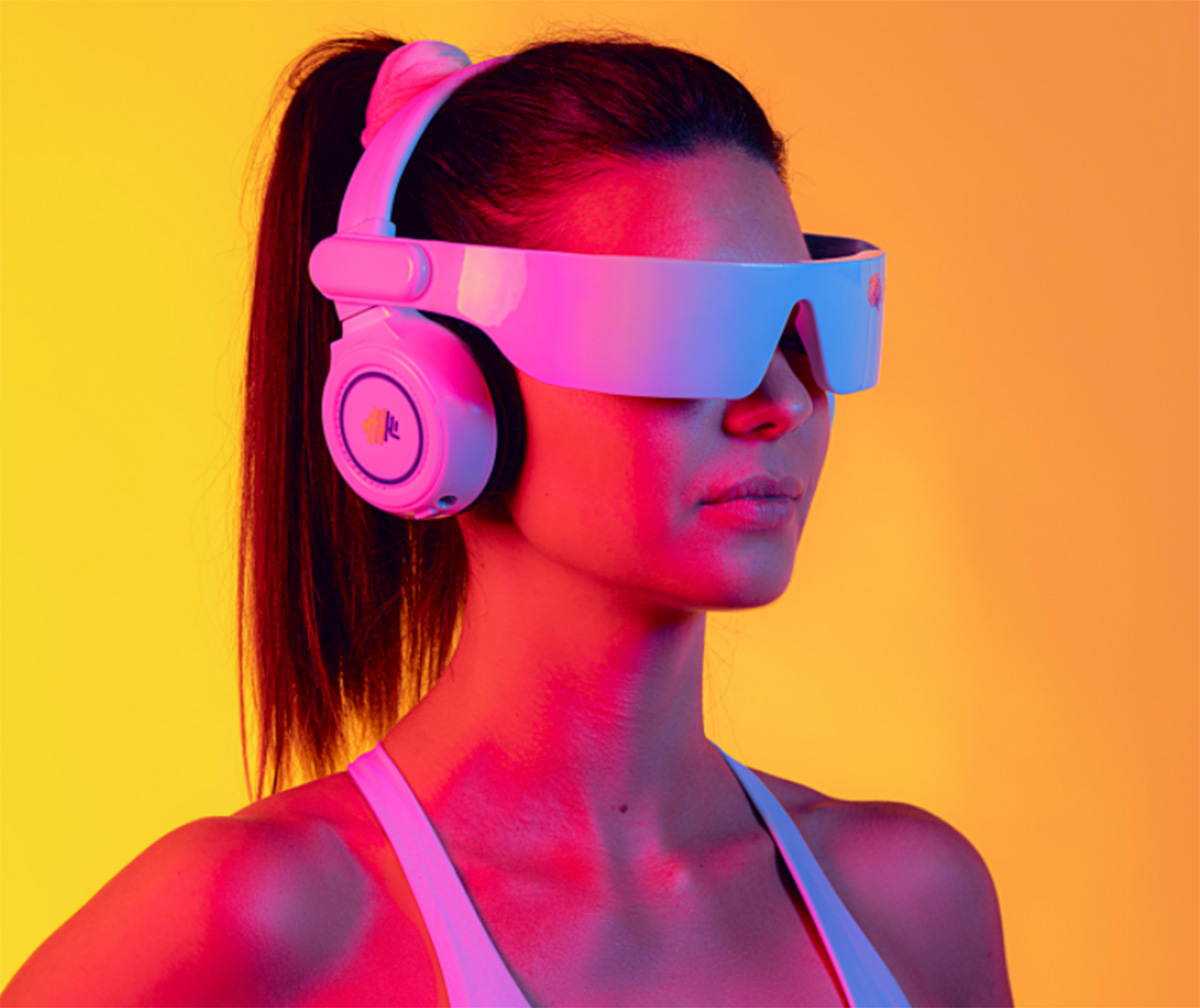
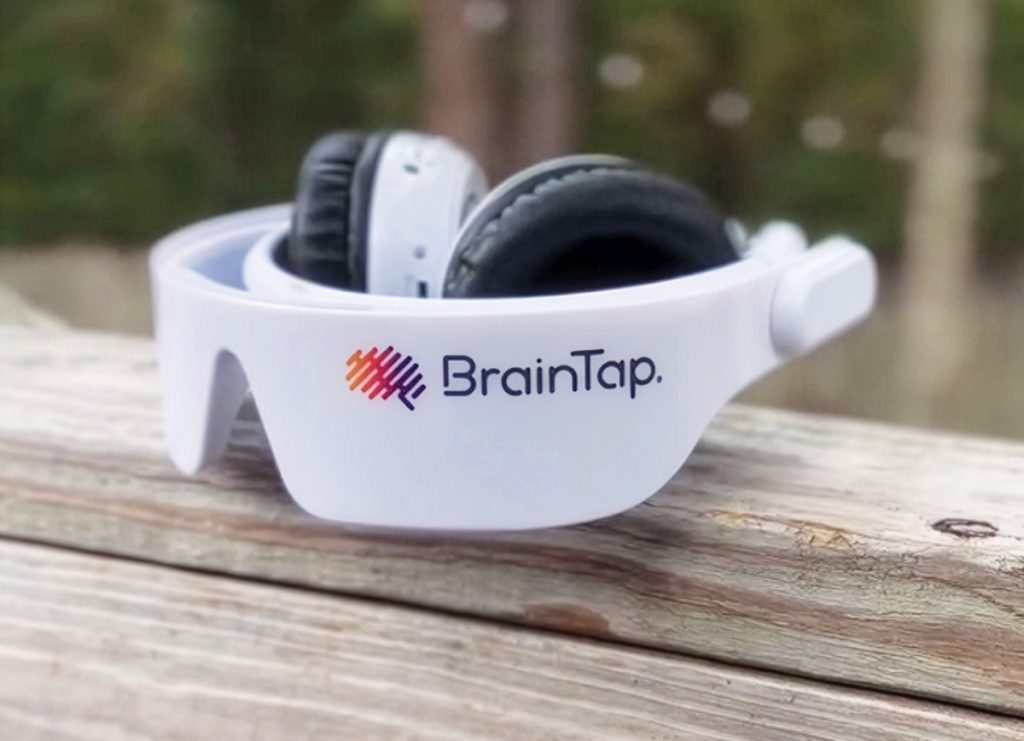
As I lay on a lounge chair, the technician handed me what looked like a headphone set but with a visor attached to the front. I was instructed to put on the headphones, and the eyepiece had flashing lights; I was told I could close my eyes or keep them open. As the tech walked out of the room, I was about to stop her—something was clearly wrong with the audio. I heard recordings of the same person speaking simultaneously.
Then I realized this was on purpose.
According to BrainTap’s website, the device uses “light therapy, binaural beats, guided visualization, and sound frequencies” for “mental and physical restoration.” As the lights flashed, I was also listening to mantras and information on my left, right, and what I describe as “center” sides simultaneously. I had written on my intake form that I wanted help with snacking and some unhealthy stress-eating habits I’ve developed, so the recording focused on that. Repeatedly, the recording focused on drinking water, taking time to chew food to enjoy it, and not snacking between meals. It was also spoken in the present tense, as if it was something I was already doing. Meanwhile, electronic sounds coursed throughout.
A phrase I remember the most: “Knowledge applied is power.”
I’m not sure how long the recording was—I’m guessing 15 minutes—but I expected to feel how I felt after a massage when I removed the BrainTap: drowsy, a bit drunk on zen. Instead, I felt relaxed and alert. Then I realized that my mouth was parched; when the technician came back, I asked her for a glass of water. It was all I could think about.
The rest of the day, I only drank water. The bottle of Coke in the fridge at home didn’t tempt me. The next day at lunch at Rocco’s Taco’s with my husband and mother-in-law, I drank half a margarita and only ate half the ice cream I had for dessert. As I write this, I realize I need to refill my water bottle.
I don’t have an unhealthy relationship with alcohol, and being dehydrated isn’t an issue of mine, but the changes were enough for me to notice just 24 hours after the BrainTap.
Can we learn while we sleep, or in our subconscious? That’s up for debate, and I don’t know the answer, but all I can say is that the craving for sugary drinks and snacking has gone down since my BrainTap experience.
What I do know, however, is that it’s up to me to keep that momentum going.
This story is from the September/October 2026 issue of Delray magazine. For more like this, click here to subscribe to the magazine.