Boca Raton’s March 10 election is one of the most crowded and consequential in decades.
Voters will choose 80% of the city’s elected officials—the mayor and three council members. They will decide whether to approve bonds for a police station. And they will decide whether to approve the Terra/Frisbie downtown redevelopment plan.
Previously, I explained the police station vote. Today’s topic is the mayor’s race. Next week, I will examine the council races and the Terra/Frisbie vote.
Three candidates vying for Boca mayorship
Boca Raton is a manager/council form of government; the city manager is essentially the CEO. In contrast to the strong-mayor system in many big cities, Boca Raton has a weak-mayor system.
Still, the mayor is first among equals on the council. The mayor runs all meetings, except those of the Community Redevelopment Agency, and thus they can control debate. The mayor works on the agenda with the manager.
And, weak or not, the mayor can undertake individual initiatives. Incumbent Mayor Scott Singer approached Brightline and secured a station, using $10 million in city money. Singer moved quickly to get council approval for a land donation that brought Blue Lake Elementary School. Singer has been the biggest supporter of the Terra/Frisbie plan, pushing for an aggressive timetable until community opposition pushed back.
Three candidates are running to succeed Singer, who has announced a run for Congress: Mike Liebelson and Councilmembers Fran Nachlas and Andy Thomson.
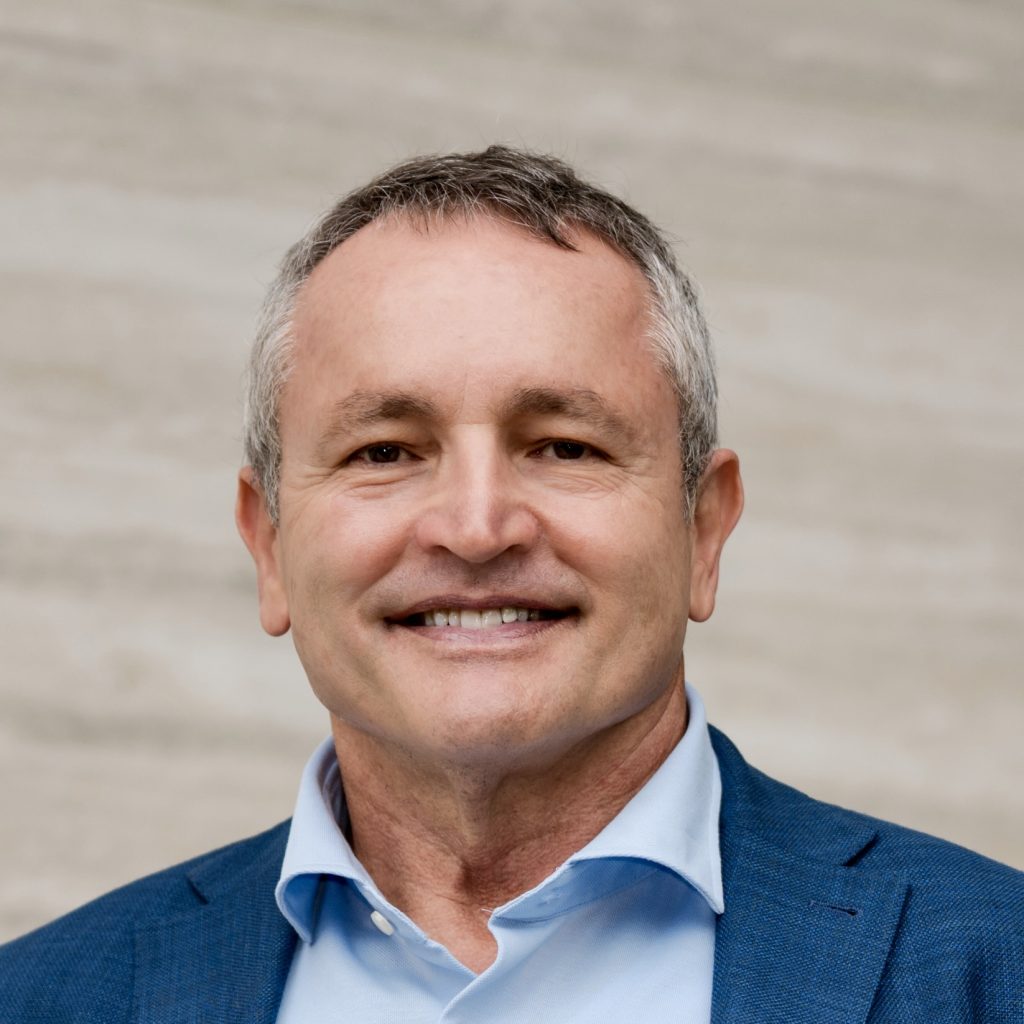
Mike Liebelson
The chemical engineer by training said he moved to Boca Raton about a decade ago from New York. After a career in the energy industry, Liebelson is now only “a senior adviser” to some small companies.
Though he filed when three Save Boca members entered the council race, Liebelson is not part of the group’s slate. Recently, though, Liebelson has worn a Save Boca T-shirt to meetings and proclaimed that he “stands with Save Boca” in its opposition to the Terra/Frisbie project.
Liebelson refers to Nachlas and Thomson as “insider politicians” and stresses that he is taking no money from developers. “My opponents,” he said, “are controlled by the development community” and are “padding their pockets” with donations from the real estate industry. Such contributions, he said, “amount to an implicit quid pro quo.”
If elected, Liebelson said, he would ask the council to ban development-related contributions, including those from lawyers and lobbyists. The council, he said, has approved too many projects “without the infrastructure” being in place to support it. “We have to take a breath.”
Liebelson also has criticized what he called “excessive variances”—changes to the zoning code—that the city has allowed developers. That criticism has left Liebelson open to charges of hypocrisy by his opponents. In October 2023, Liebelson himself sought a variance after someone complained about the height of the wall at his house; it had been built higher than allowed. Liebelson blamed it on a miscommunication, and the Planning and Zoning Board approved the variance after the fact, 4-2.
After development, Liebelson’s other issue is property taxes. He cites what he calls an 80% increase in tax revenue over the last five years without a corresponding rise in population, saying that the burden falls harder on owners of commercial property, and the city should lower the tax rate. Primary residences are protected from spikes in taxable value by the 34-year-old Save Our Homes law.
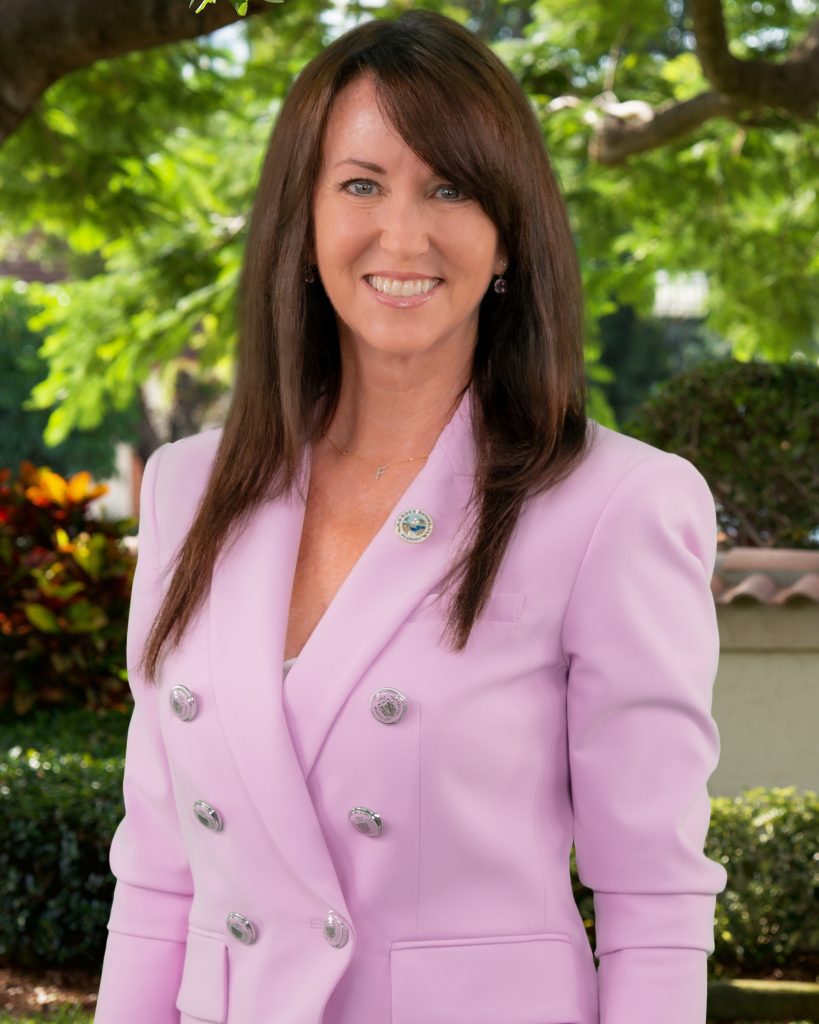
Fran Nachlas
She was elected to the council in 2023, after a long period of community involvement. A city resident since 1996, Nachlas has volunteered with the Rotary Club, the Junior League of Boca Raton and the George Snow Scholarship Fund. Nachlas has worked as a nurse for 33 years and served previously on the city’s community advisory panel.
“I say what I mean, and I follow through,” Nachlas said. “This election is coming down to transparency and trust. I have moved this city forward.”
The main distinction between Nachlas and her opponents is her support for the Terra/Frisbie project. Nachlas, though, said of Save Boca, “I support the process,” meaning the group’s success in getting the council to approve the referendum that will be on the ballot.
Why did she run? “I didn’t think Andy Thomson was the right person to be mayor.” Nachlas criticizes Thomson for what she argues is his shifting positions on the project. “Andy has gone from no, to yes, to no. Where does he stand?”
Thomson, Nachlas says, has claimed that he opposes the public-private partnership (P3) concept that underlies the Terra/Frisbie proposal. But Nachlas points out that Thomson voted for Related Ross in February when the council chose Terra/Frisbie. Thomson then switched his vote to make the choice unanimous. To Nachlas, that was support of a P3.
Nachlas also notes that even Terra/Frisbie’s original plan was the least intense of the four proposals before the council. Terra/Frisbie since has reduced the intensity twice and the amount of leased land from 30 acres to 7.8, with all private development east of Second Avenue. Nachlas has said that the plan is the best fit for Boca Raton and downtown. Keeping recreation downtown has been her priority.
As for Liebelson’s comments about developer contributions, Nachlas argues that she has asked for changes that made development projects better and disputes the idea that variances have been excessive. “I have been honest with people. I have a broad base of support, and money doesn’t buy votes.”
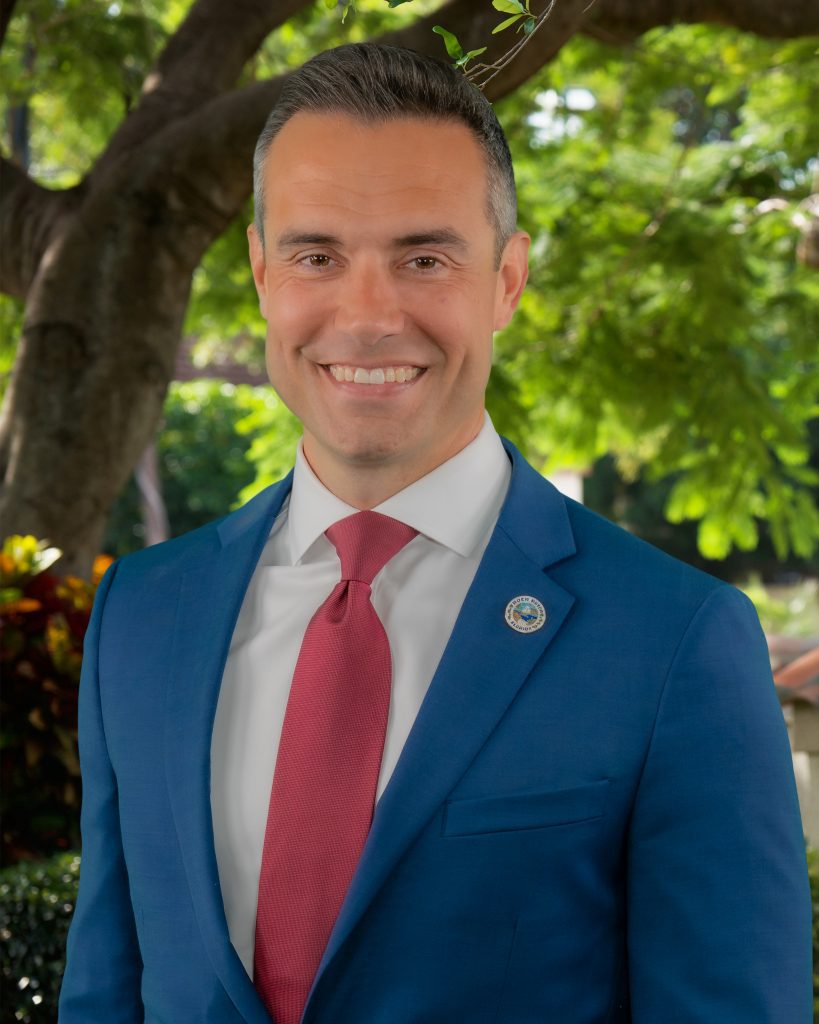
Andy Thomson
A lawyer who has lived in Boca Raton since 2013, Thomson served on the council from 2018 until 2022 before resigning to run unsuccessfully for the Florida House. He returned to the council in 2024.
During his second stint, Thomson has been the outlier on the council in ways other than opposing the Terra/Frisbie project. When Singer arranged for the departure of longtime City Attorney Diana Frieser, he provided no details. Thomson asked for some. His colleagues sided with Singer. When the council chose a city manager last year, Thomson preferred Chief Financial Officer James Zervis. All the others chose Mark Sohaney, though Thomson then switched to make it unanimous.
Thomson also differed on a key issue during his first stint. He voted against a variance to allow construction of an oceanfront home at 2600 N. Ocean Blvd. A lawsuit revealed other council members, to varying degrees, had prejudiced themselves before the vote to deny the variance. The city had to settle the lawsuit and allow construction.
Regarding the Terra/Frisbie project, Thomson’s main criticism has been “structure.” In most P3s, the private developer pays directly for public facilities. In this one, the city would front the cost of a city hall, community center and police substation, to be reimbursed through rent payments from the private development.
Terra/Frisbie thus would have to put up less financing. Thomson says the deal would put the city at too much risk. If voters reject it, Thomson said the city should “shift focus” and concentrate on parks for those 30 acres. “The staff is already planning for it. We can still accomplish our goals.”
Of his opponents, Thomson said, “I’m best for the leadership role.” Of Liebelson’s comments about developer money, “The residents have voted me in twice. They know that no one is buying votes.”
And of Liebelson’s comment about “excessive variances,” Thomson said, “That’s rich. It bespeaks a lack of understanding. I’m not going to be lectured by him.”
Note: Nachlas and Thomson said they will vote for the police station bonds. Liebelson said he will vote no.
Analysis
At one point, Nachlas and Thomson were going to run against each other. Both filed last April. Then Liebelson filed in late October, and now he’s running against them by trying to characterize them as too developer friendly.
But that approach has led Liebelson to grandstand in potentially dangerous ways.
If elected, Liebelson said at the Jan. 20 council meeting, he will put all approved projects “under the microscope and use every legal means possible to stop the ones that are not in the public’s interest.” In fact, there are no “legal means” to revoke approvals unless the developer doesn’t adhere to the agreement. Florida case law is replete with examples of cities getting sued and losing when they tried to revoke approvals. Moreover, who would decide which are “in the public’s interest?” And pledging in advance to oppose all variances could lead to litigation like the one over 2600 N. Ocean Blvd.
Liebelson can’t argue that he knows the city better. In addition to their council and advisory board experience, Nachlas and Thomson have traveled throughout Boca Raton—Nachlas cycling and Thomson running.
It’s hard to tell how Liebelson’s candidacy will affect what looked for several months like a proxy vote on Terra/Frisbie. Despite Liebelson’s talk, Save Boca members have told me that they resent his pitch, since Liebelson didn’t help gather petition signatures during the hot summer.
They also regularly praise Thomson for being the council member who asked Terra/Frisbie representatives if they would agree to a referendum. Any other council member could have done so first.
In an unusual move, the firefighters’ union endorsed both Nachlas and Thomson; each had received the union’s support in earlier races. The police union, which has backed Nachlas and Thomson previously, went with Nachlas.
The Greater Boca Chamber of Commerce, which also had backed Nachlas and Thomson for the council, endorsed Nachlas. That’s likely because of her support for Terra/Frisbie, which the chamber also endorsed.
From my observation, Boca Raton is a well-run city with a very good management team. Nachlas and Thomson generally agree. Liebelson is a one-issue candidate with limited knowledge of city government but the mindset of a former business executive who wants to shake things up.
Yvonne Odom addresses Delray Beach City Commission
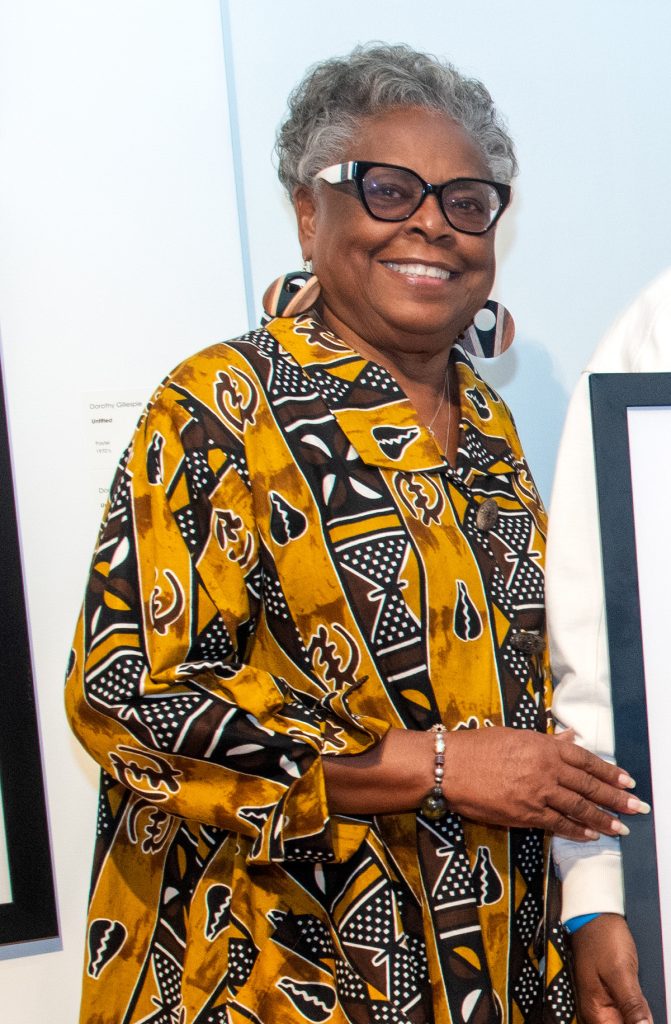
I wrote previously how Delray Beach Commissioners Juli Casale and Thomas Markert on Jan. 20 refused to appoint Yvonne Odom to fill a vacant seat—even though there were no other nominees. The refusal generated outrage among Odom’s supporters who had attended the meeting.
Last week, Odom herself showed up.
Ten years ago, the commission at that time also passed on naming Odom to a temporary seat on the dais. This year, Odom said, “I thought, finally.” To be rejected when she was the only nominee amounted to “disrespect.”
It reminded her, Odom said, of when in 1968 a white parent asked to have her child removed from her class. Odom, who integrated Seacrest High School in 1961, taught in the public schools for 45 years. “My kids,” she said, referring to her former students, “are all over the place.” One of them “was in tears” after the rejection last month of that symbolic honor.
Odom recounted all the work she and her husband have done for Delray Beach. Given all that, she resented being referred to simply as [tennis star] “Coco Gauff’s grandmother.” It was a powerful moment. There was no response from Casale and Markert. No surprise. What could they say?
Mike Caruso to seek full term as PBC Clerk and Comptroller
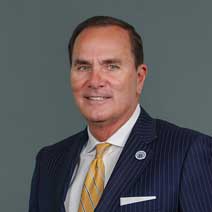
As expected, Palm Beach County Clerk and Comptroller Michael Caruso has announced that he will seek a full term.
Gov. Ron DeSantis appointed Caruso, a Republican and former state legislator representing Boca Raton and Delray Beach, to the office last August after Joe Abruzzo became county administrator. Caruso’s emailed announcement included praise from Sheriff Ric Bradshaw, a Democrat, and former Boca Raton Mayor and County Commissioner Steven Abrams, a Republican.
Boca Raton City Councilmember Yvette Drucker is the only Democrat to have filed for the race. Republican Samuel Thompson also has filed to run.