Books & Books founder Mitch Kaplan’s latest selections include a stirring biography of an American icon, a decades-spanning account of a Miami apartment building and its many denizens, and a prizewinning French import.
FICTION

Books & Books has always championed quality literature from local authors, and Menéndez’s fifth novel epitomizes this mission: One look at its cover, with its Art Deco building and swaying palm tree, and we know we’re in Miami. This historic building on South Beach, known as the Helena, is in fact the central protagonist of the book—the through-line connecting the lives of its diverse denizens over the course of 70 tumultuous years. Its latest resident, Lana, arrives shrouded in mystery at her new home, apartment 2B in the Helena; little does she know that the residual energy of its previous tenants will have an impact on the here and now. These include a young couple from San Antonio dealing with domestic abuse circa 1942; a classical Cuban pianist on a career downswing in 1963; a Vietnam War veteran struggling with P.T.S.D. in 1972; and a 40-year-old victim of the 2008 financial crisis who leaves the apartment to move back in with her parents. Themes ripple through time in the author’s thoughtful consideration on the illusory nature of home.
When the Hibiscus Falls by M. Evelina Galang
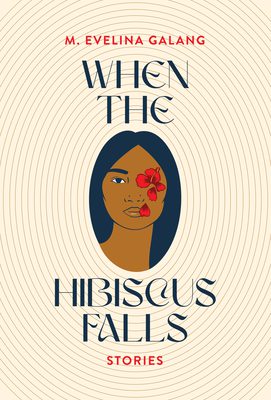
Here we have another Miami connection, and another rich tapestry of stories—17 in total—clustered around a theme, in this case the lives of Filipino and Filipino-American women. This demographic is a signature focus for Galang, who has devoted much of her writing to presenting authentic, three-dimensional portraits of these women, both exiled and in their native country. (Attuned to stereotypes that reduce her native people, Galang was the perfect person to edit the 2003 anthology Screaming Monkeys: Critiques of Asian American Images.) Characters from her previous short stories and novel re-appear in some of the vivid tales of past, present and future that constitute When the Hibiscus Falls, whose tales concern voting in a crucial American election, branding a new restaurant around a historic Filipino ancestry, and surviving the dehumanizing effects of colonization. Ghosts haunt her pages, as Galang reflects on the nature of identity, family and history in an increasingly complex world.
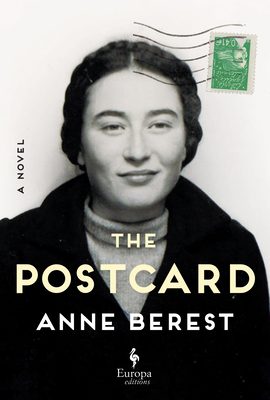
Described by the author as a “true novel,” Anne Berest’s autobiographical saga was inspired by the appearance in her mailbox, in the early days of 2003, of a postcard with a Parisian opera house on the front and the names of four of her relatives— Ephraïm and Emma Rabinovitch, and two of their three children, Noémie and Jacques—on the back, all of whom perished in the Holocaust. It wasn’t until 15 years later, prodded by an anti-Semitic incident at her daughter’s school, that Anne followed up on the postcard, endeavoring to uncover its provenance. Her quest is captured in this compelling read, written in French and now available in an English translation. The names are changed, some of the dialogue is invented, and some historical scenes are imagined, but The Postcard’s sting of truth always carries through its detective-story pacing. Weaving together past and present, Berest spans from the Russian Revolution through Vichy-occupied France and our own zeitgeist’s rise of authoritarianism, in a book that restores and unsettles in equal measure.
NONFICTION

Jonathan Eig has written what critics are already calling the new definitive biography of Martin Luther King, Jr., and the market has responded: His simply titled King: A Life, at a sweeping 688 pages, became an instant best-seller. Eig is no stranger to the immersive, studiously researched, page-turning biography of a cultural titan—his previous books covered Muhammad Ali, Lou Gehrig and Jackie Robinson—and his latest has the benefit of being the first King bio to include recently declassified FBI files. (King was a favorite target of J. Edgar Hoover, as Eig relays in the book.) Covering King’s rise from student to preacher to nation-changing advocate for a non-violent civil rights revolution, Eig covers all the bases and more you didn’t expect. Perhaps most importantly, he doesn’t succumb to the lure of hagiography, exploring King’s negative aspects—namely his extramarital affairs and general treatment of women—as well as his subject’s voluminous positives.
For more of Boca magazine’s arts and entertainment coverage, click here.