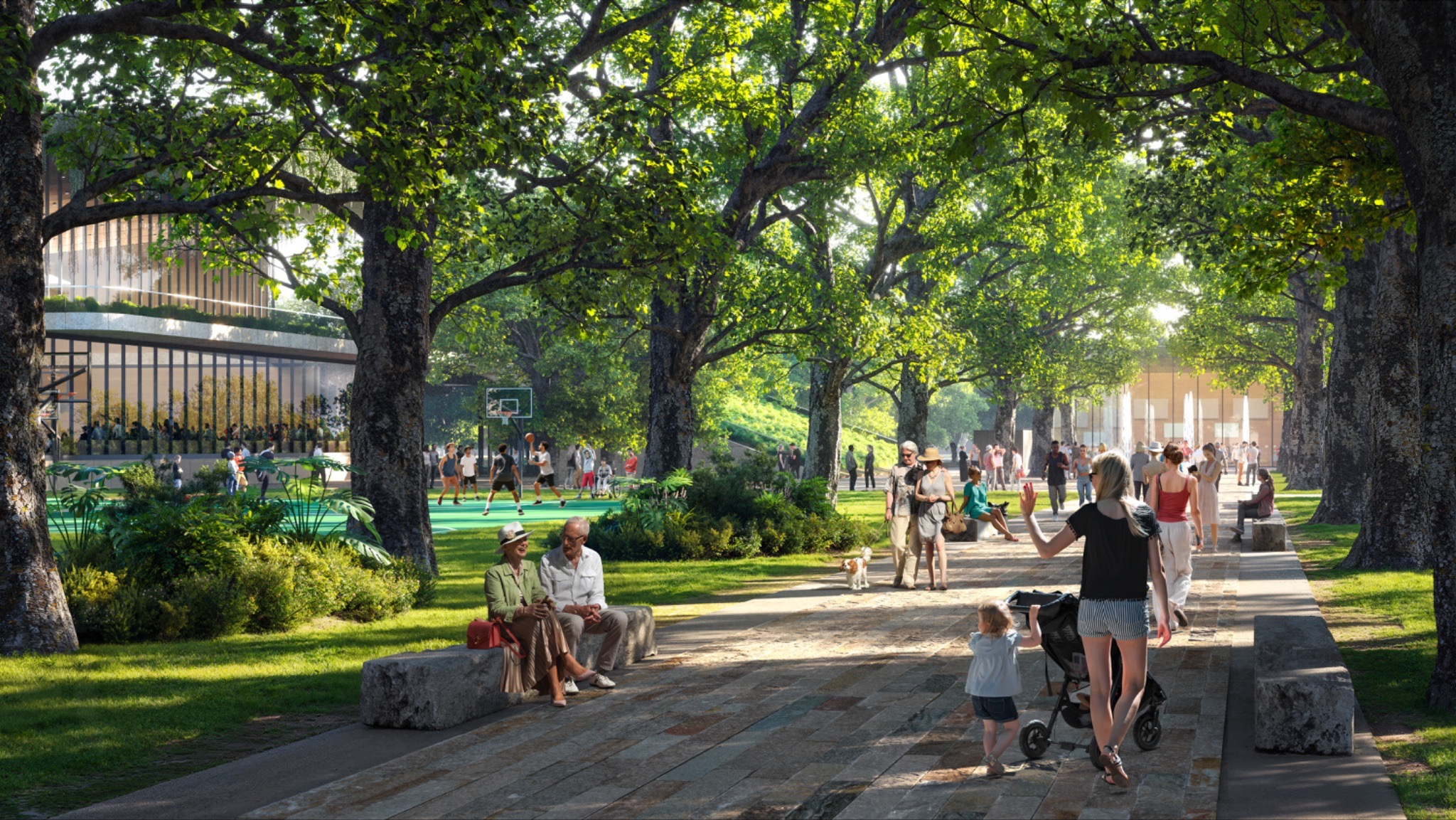
Boca Raton voters now have most of the numbers associated with the Terra/Frisbie downtown redevelopment project. How they regard those numbers will determine whether they vote for or against the project on March 10.
One exchange during last week’s city council workshop meeting crystallized the debate.
Representatives of PFM, the city’s financial consultant, had laid out projections over the 99 years of the lease Terra/Frisbie wants for 7.8 acres east of Second Avenue near City Hall. The company would build 947 apartments, 85,000 square feet of shops and restaurants, an office building and a 180-room hotel. Private development would total 1.15 million square feet.
According to PFM, Boca Raton would receive $3.39 billion in revenue over those 99 years, from lease payments, property tax revenue and other sources. The project would cost the city $1.92 billion in new operating expenses for services, making the net impact $1.47 billion in current dollars.
PFM then calculated the net present value of that figure—what it would be after 99 years when accounting for inflation and other factors. That number is roughly $138 million.
The consultants then listed how much the city would pay toward construction of the public space, all of which would be on the west side of Second Avenue. Those elements include a city hall, a community center, a police substation and recreation facilities. Other costs include general construction, utilities and transportation and mobility. One new element has emerged: a parking garage that would be amid the private development.
Total cost: $247 million. The city would pay $201 million. Terra/Frisbie would pay $46 million.
After the presentation, Councilmember Andy Thomson asked a question (he is the only council member who has opposed the project). If the city is to make $138 million but spend $201 million, doesn’t that make the project “a net negative” to Boca Raton?
The consultant said yes, but he added that Thomson was making “an apples to oranges” comparison. Deputy City Manager/Chief Financial Officer James Zervis elaborated on that thought during an interview.
Much of that $201 million, Zervis said, is money the city would have to spend regardless of the Terra/Frisbie project. Boca Raton needs a new city hall, a new, expanded community center and a downtown police substation, given plans to move the headquarters to Spanish River Boulevard. Those facilities alone will cost about $85 million.
Similarly, Zervis said, the city needs to upgrade recreation facilities. That cost is $20.5 million and includes new downtown tennis courts, a skate park at North Park, basketball courts and a playground downtown and a formal Memorial Park. It does not include the planned softball complex at Sugar Sand Park.
Notably, Zervis did not know why the garage was added. Deputy City Manager Andy Lukasik and City Attorney Joshua Koehler have handled most of the negotiations with Terra/Frisbie. Zervis noted that the city would receive revenue from the garage, adding that PFM didn’t account for all possible sources of money to the city from the project.
Thomson, though, raised a second, perhaps more important question about the concept behind what the city has billed a public-private partnership, or P3. When Florida allowed these partnerships, the concept was that the private company would build public facilities in return from profiting on deals for use of public land. The theory was that the partnership would save the public from having to build those facilities.
With Terra/Frisbie, though, the city would pay almost all public costs upfront. Terra/Frisbie would pay $40 million toward the $58 million in utilities and $8 million toward the $15 million cost of transportation and mobility. The city supposedly would get reimbursed after the private development is complete and begins generating revenue.
Having covered this issue for nearly a year and a half, I am confident in saying that most council members weren’t aware of this shift when the city first sought P3 bids. Thomson first raised the question during a May meeting. For all the talk about tennis courts, Thomson said, there had been “little discussion on fundamental questions.” Namely, “Is the city receiving enough in return” for bearing all the financial risk. What if the city lays out money and the private space never gets built?
Zervis defended the approach, saying, “There’s not just one type of P3.” He said the city also will receive value from owning the land when the lease expires. He asked, “Does this project deliver the council’s vision” for the area around City Hall? “It’s not all about the dollars.”
But it’s mostly about the dollars. And voters must determine whether their vision matches that of the council majority. I’ll have much more over the next three months.
Boca Raton CFO urges relocation for new police station
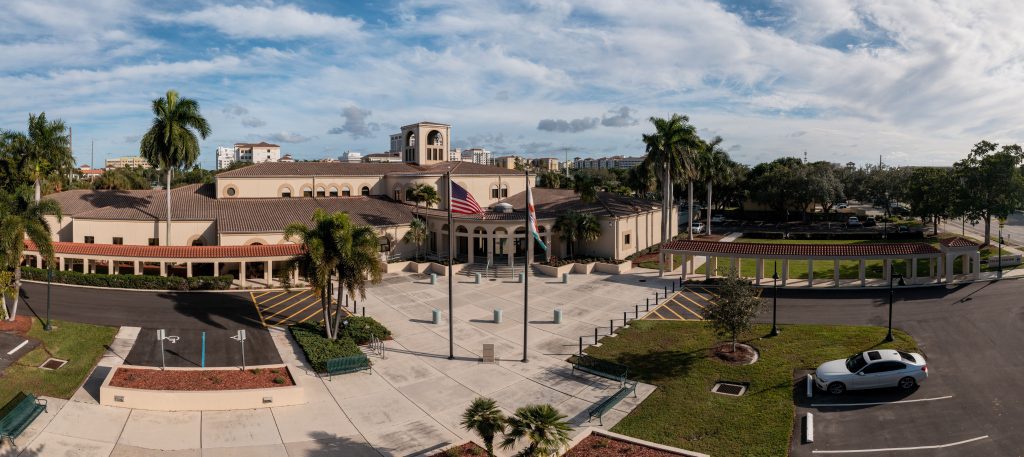
Whatever the debate about the Terra/Frisbie plan, Zervis last week explained persuasively why Boca Raton should move its police station.
Some opponents of the plan have claimed that the city wants to build a new station next to the Spanish River library only to free the downtown site for private development. In fact, those 4.4 acres east of Second Avenue are dead space, whatever happens with the Terra/Frisbie plan. The station itself is nearly four decades old and in some ways is more dated than City Hall. The city owns the land next to the library.
Rebuilding, Zervis said, would be more expensive and problematic. Because the site is less than half the size of the library location, the city would have to build higher, which costs more. The station would need a garage. At Spanish River, there’s enough room for cheaper parking lots.
In addition, the city couldn’t just move the police department into a traditional office building for two years during reconstruction. Police stations have unique needs, such as preserving evidence.
In March, the city will ask voters to approve up to $175 million in bonds for the new station. Next Monday, the city will host an “information session” about the project. The event will run from 6 to 7:30 p.m. in the community room of the downtown library. Cities can’t campaign for bond issues. The news release says, “This session is educational only and will provide residents with background information, project details, and financing facts to support informed decision-making.”
Boca drainage system working as intended
Though Boca Raton reported flooding in several places during the Oct. 26 downpour, City Manager Mark Sohaney said the city’s drainage system functioned as intended.
Given the amount of rain, Sohaney said, the fact that some areas flooded is not surprising. Rainfall totaled as much as 10.5 inches over two-plus hours in southern parts of the city. “No system can keep up with that.”
Making the system able to absorb so much water, Sohaney said, would cost “billions.” Sohaney compared it to a one-in-100-year flood. He said the stormwater system was able to keep up as well as it did because of investments over recent years, such as the Innovative Sustainable Infrastructure Program, or ISIP. It has upgraded pipes in older neighborhoods.
As he did during a briefing before the city council with Public Works & Engineering Director Zachary Bihr, Sohaney asked for the public’s help. Some drains were “impaired by debris, worsening the backups. It’s also important for homeowners to maintain swales. Low-lying areas without sidewalks—and thus no swales—had some of the worst flooding. Bihr called swales “the lifeblood of our drainage system.”
Delray Beach DDA audit report comes in
Last summer, Delray Beach Mayor Tom Carney criticized the Downtown Development Authority for what he called loose financial management. His criticism came as the city commission was reviewing its annual expenditure for the DDA to operate parts of Old School Square.
Though the commission eventually approved the $700,000 expenditure and the DDA’s budget, Carney secured a commitment by the city’s internal auditor to review the agency’s spending. The report is back, and everyone seems satisfied.
Though the auditor found nothing serious, she did note several areas where the agency could improve its internal controls. Example: it has a business on a $5,000-per month retainer to book performers but no written details. Example: Use of the agency credit card has been too lax, making it hard to tell if charges had a “valid public purpose.”
Carney said he stepped in because by the end of this budget year the city will have paid the DDA $3.3 million for Old School Square. He proclaimed victory of a sort. DDA officials agreed to all the recommendations and reiterated that it’s important for the agency and the city to collaborate.
Delray Beach rep attends groundbreaking for beach nourishment project
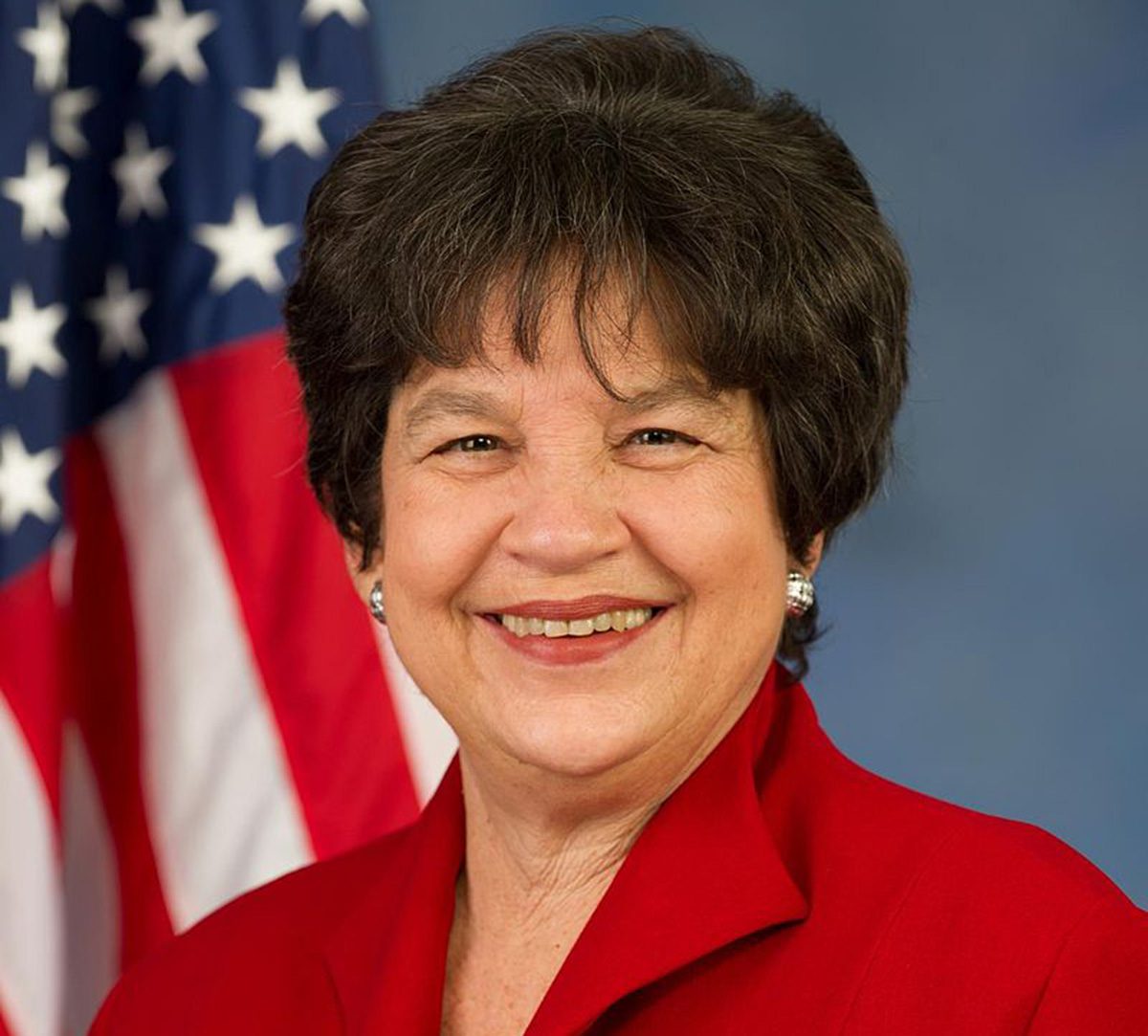
U.S. Rep. Lois Frankel, who represents Delray Beach, was there Monday for the groundbreaking on what the city calls a “major” beach renourishment project.
Much of the money will come from the federal government. Frankel has been sending fundraising appeals based on her fear that the Legislature will draw her out of the district when it meets next year to create a new congressional map for the express purpose of putting more Republicans in the House. Frankel, a Democrat, has held her seat since 2012.
Public art unveiling at Wildflower Park
As part of Boca Raton’s effort to activate the ultra-expensive but barely used Wildflower Park, the city will host a public art unveiling there from 11 a.m. to 1 p.m. Saturday, Dec. 13.
According to a news release, the theme will be Boca Raton’s centennial, which the city has been marking all year. These “art experiences” include mosaic murals on the bathrooms and a larger splash pad. Murals also will be on the pillars that support the Palmetto Park Road bridge. The works will “celebrate Boca Raton’s landscape, history, and local voices.”