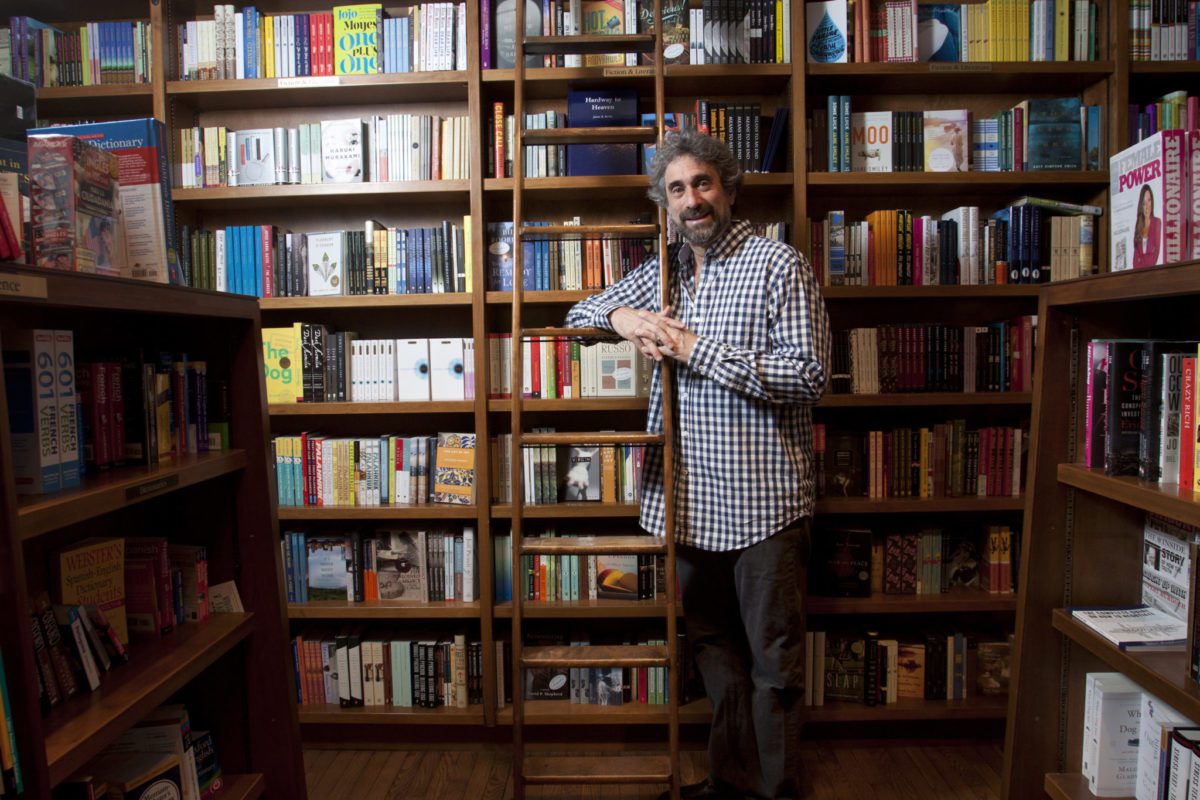
With a new year comes more new books, and new worlds to explore, both imagined and real, historical and present-day. In our first books blog of 2026, Mitch Kaplan of Miami literary institution Books & Books returns for his latest recommendations, all of which are on sale at booksandbooks.com or the chain’s brick-and-mortar locations.
FICTION
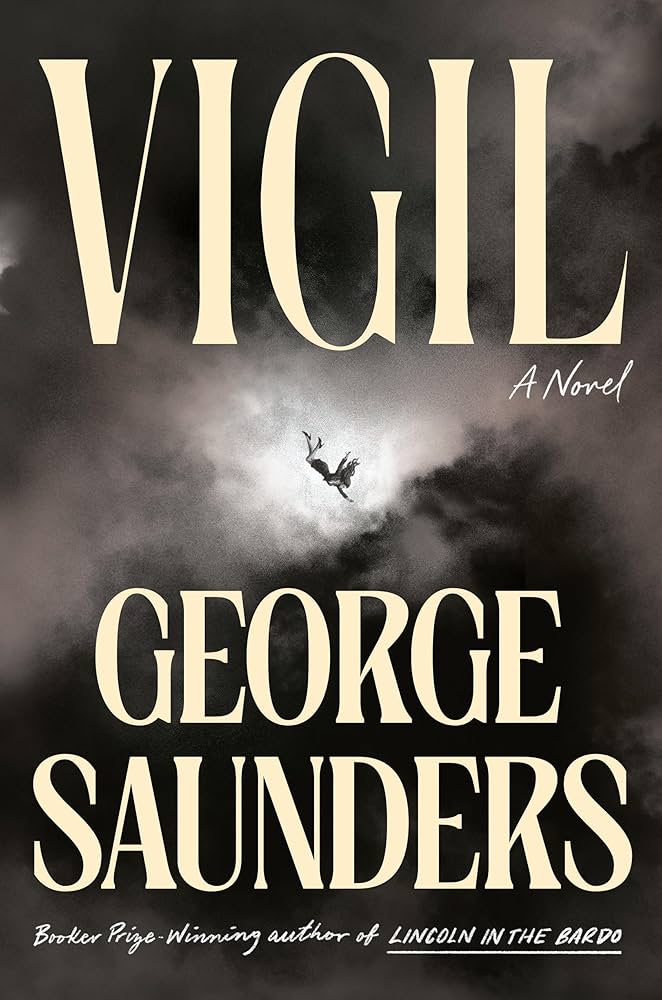
One of the masters of English-language short-form writing—his fiction appears often in the New Yorker—George Saunders has a experimental style and wit that’s entirely his own. His 2017 full-length fiction debut, the novel “Lincoln in the Bardo,” expanded his scope and readership, winning myriad awards for a book set in the interregnum between life and rebirth. Nine years later, its follow-up, “Vigil,” finds its author still consumed by matters eschatological, this time charting the dying moments of a man far removed from a great president’s offspring. The figure on the precipice is K.J. Boone, an oil executive finally forced, in his last breaths, to take stock of a life of massive profits and immeasurable environmental harm. His guide from the afterlife, the noirishly named Jill “Doll” Blaine, has the unwelcome task of ushering him into the hereafter, a journey marked by long-awaited reckonings from people both sentient and apparitional.
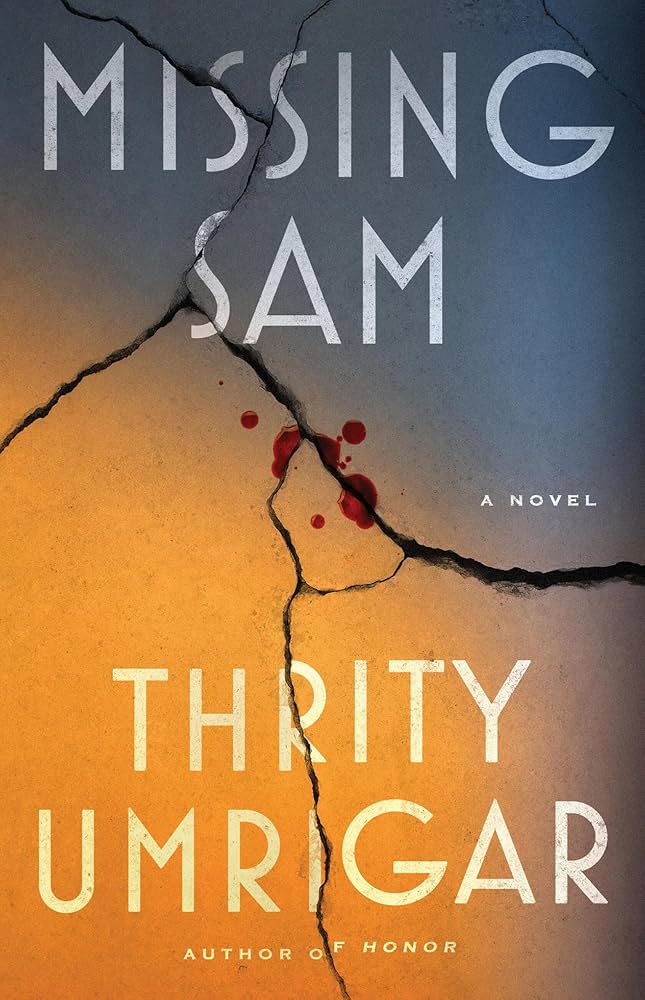
The title character in this novel, praised for its taut thrills and pointed social commentary, is Sam O’Malley, a white English professor in the supposedly tolerant, majority-liberal suburb of Cleveland Heights, Ohio. One night, she and her wife, a Muslim-American named Aliya, engage in a nasty row following a contentious party, and spend the night in separate beds. The next morning, Sam goes on a morning run to clear her head—and doesn’t return. This mystery sets in motion a domino of events on both sides, as Umrigar pivots her chapters between Sam and Aliya’s perspectives. While Sam is fighting for her life, Aliya soon comes under suspicion for her disappearance from the neighbors she thought she trusted, magnified in part by her own understandable missteps. As harassment against her accumulates, both in the physical and online worlds, “Missing Sam” functions as both twisty thriller and sobering, timely examination of the perils of being brown and queer in America in 2026.
NONFICTION
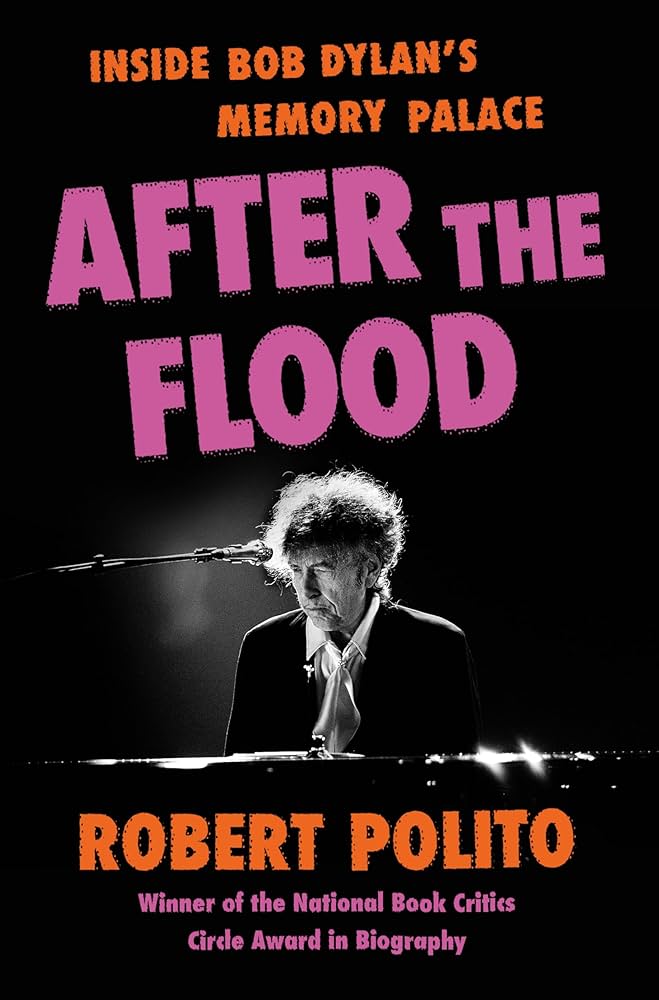
After the Flood: Inside Bob Dylan’s Memory Palace by Robert Polito
The meteoric rise of Bob Dylan as a preternaturally talented poet and singer-songwriter in the 1960s folk scene has been exhaustively documented, most recently in the award-winning 2024 biopic “A Complete Unknown.” Precious little prose has been spent analyzing the second giant peak of Dylan’s creative output, his material from the early 1990s onward. Robert Polito, a celebrated poet and author of a prizewinning biography of pulp author Jim Thompson, is up to the task, dedicating this deep dive solely to the past three decades of Dylan’s corpus, from 1992’s spartan album of acoustic covers, “Good as I Been to You,” to “Shadow Kingdom,” his brazen re-recordings of his own classic material. Hefty LPs such as “Time Out of Mind,” “Love and Theft” and “Rough and Rowdy Ways” fall in this spectrum too, with Polito, drawing from thousands of pages from Dylan’s archive in Tulsa, Oklahoma, weaving analysis and biography in order to correct the narrative that the great songwriter’s best days are long behind him.
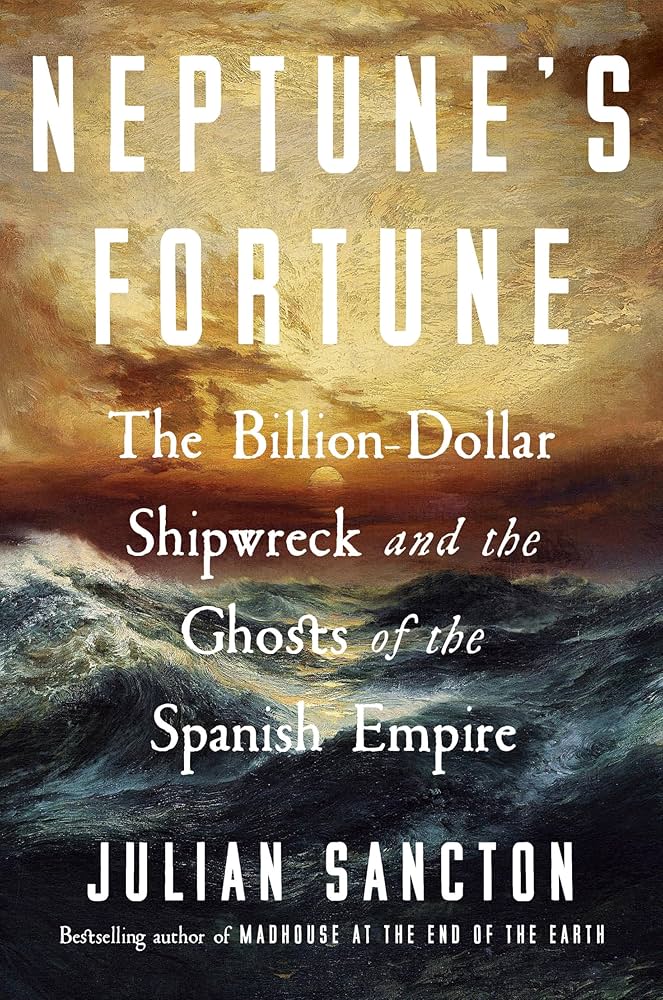
Julian Sancton, a senior features editor for the Hollywood Reporter and a contributor to Vanity Fair and the New Yorker, is naturally attracted to “boat stories,” as he calls them—tales of drama and intrigue on the high seas. His first nonfiction book, 2021’s “Madhouse at the End of the Earth,” chronicled the ill-fated 1897 expedition of a Belgian ship that became trapped in Antarctic ice. His latest, “Neptune’s Fortune,” is another irresistible true story of a mighty boat that met its bloody destiny: this time the San Jose, a Spanish galleon that sank in the Caribbean in 1709 after a pitched battle with British mariners, leaving behind a treasure trove of gold and silver estimated to be worth $17 billion. The anomaly of the cargo’s disappearance started to appear in the news in 2015, which prompted Sancton to give the story a deeper focus. The result is this nearly 700-page tome, which traverses both 18th century conflicts and the moments that led to the ship’s sinking, and efforts by modern-day obsessives—especially Roger Dooley, a Cuban-American archaeologist who spent 40 years attempting to find the galleon—to uncover its riches.
For more of Boca magazine’s arts and entertainment coverage, click here.