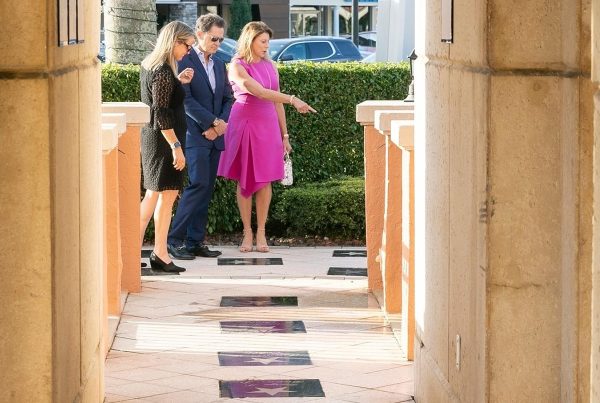
There’s been a lot of talk this election season about how development happens in Boca Raton.
On Monday, there was talk about how development really happens in Boca Raton.
To hear Save Boca supporters tell it, development applications go from submittal to approval faster than “crap through a goose,” to quote Gen. George Patton. It’s ironic, since for the 12 years I’ve done this blog I’ve heard complaints from large developers to homeowners that the city—if anything—moves far too slowly on permits.
Reality may depend on each applicant’s experience. But from my observation, Save Boca is wrong. Myths, however, make good campaign ads. With so many candidates campaigning against what they consider overdevelopment, residents should know how the system actually works.
For purposes of this discussion, we’re talking about larger development projects—mainly downtown projects. Those have drawn the most criticism as voters prepare to decide on the Terra/Frisbie project for the area around City Hall.
When an application comes in, it goes to all departments for review. Each department can issue comments, and those comments go back to the applicant for a response. That response goes back to the staff, and the departments respond to what the applicant said. The legal staff also weighs in.
As those exchanges happen, the applicant often changes the project to address the staff’s concerns. I’ve read many of these staff reviews, and they can be detailed. All this happens before the project gets to the Planning and Zoning Board, which is the last stop before the council. Even if it recommends approval, the board often proposes changes for the council to consider. All that happens because the city is trying to make sure that developers follow the rules.
Now, let’s get back to Monday.
Before the council—acting as the board of the Community Redevelopment Agency (CRA) that oversees downtown—was a request to change the plan for a hotel at Royal Palm Place. Most notably, Investments Limited, which owns the venerable retail complex, wanted to replace a two-story underground parking garage with a seven-story standard garage.
Representing Investments Limited was Ele Zachariades. She’s a partner with Dunay Miskel Backman, the go-to land-use firm in Boca Raton.
The hotel changes were not controversial. Indeed, the project would add parking to Royal Palm Place, which is chronically cramped because it was built decades ago under outdated rules.
Yet the usual handful of speakers accused council members of being corrupt sellouts, which prompted a discussion between Zachariades and the council.
“The staff,” Zachariades said, “gives me a very hard time.” She noted that her fastest approval took 11 months. The first phase of Camino Square, which replaced the downtown former Winn-Dixie shopping center, took four years. Indeed, I recall a moment outside the downtown council chambers when Zachariades and former City Attorney Diana Frieser came close to a shouting match over Camino Square.
It’s important here to note that downtown developers are operating under rules set by the council in 1992 and affirmed by the voters a year later. Those rules grant rights to property owners that the council can’t ignore.
As Councilmember Andy Thomson said of those owners, “We owe them due process.” Thomson is the only council member to oppose the Terra/Frisbie project. He’s also a lawyer. In response to speakers who didn’t like the hotel—which actually had been approved in 2022—Thomson said, “It’s really not our place to say what would be successful.” The council can’t reject a project “just because we prefer some other use.”
I’ve lived in Boca Raton for 40 years. I appreciate that some longtime residents may lament how much the city has grown and the changes that have resulted. But some campaign criticism of the current council and staff has devolved into demagoguery. I would single out mayoral candidate Mike Liebelson and Save Boca founder Jonathan Pearlman, who’s running for the council.
In his latest email, Liebelson said the council acts to “appease developer insiders.” He and Pearlman claim to be protecting the “character” of Boca Raton, but tear-down mini-mansions like theirs on undersized lots are changing the character of the area east of Mizner Park.
Without private investment, cities wither. Without good planning, quality of life suffers. Balancing those two is challenging and best done by those who acknowledge that reality—and the law.
Robert Weinroth votes against Terra/Frisbie project
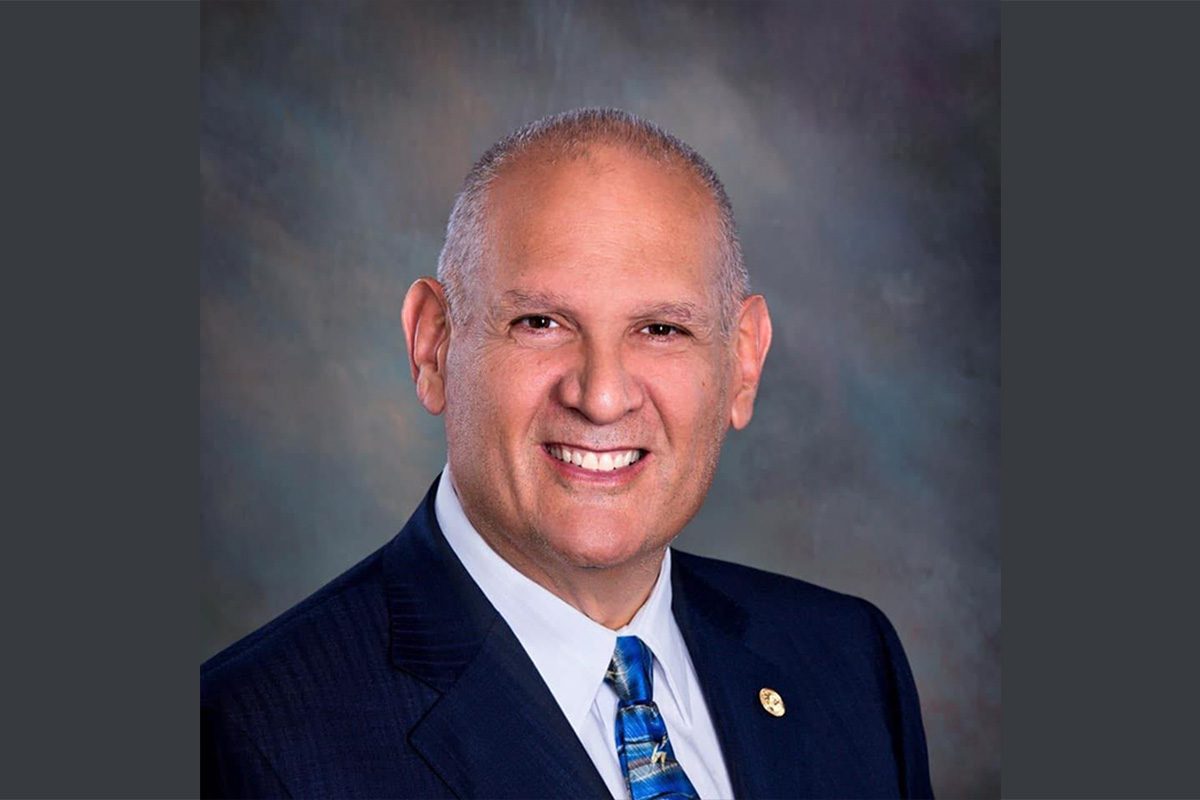
When I wrote my preview of the city council elections, I noted that Seat D candidate Robert Weinroth had not decided how he would vote on the Terra/Frisbie project. Weinroth told me this week that he voted no.
I asked why. This was his response:
“Notwithstanding the fact that we need a new city hall and community center—and appreciating the fact that the project has been pared down from its original scope—I am still concerned by the density, and I don’t see the need for the addition of another hotel (with three in the pipeline) and I am personally concerned about the financial projections, which over a period of 99 years can only be viewed as possibilities.”
Boca Raton’s strange freestanding emergency room debate
The debate over freestanding emergency rooms in Boca Raton is beyond puzzling.
Before the city council during Tuesday’s meeting was a proposed ordinance laying out where such facilities would go and what standards they would have to meet. It seemed straightforward. It was anything but straightforward.
Council members began pecking the ordinance to death like ducks. Were the parking requirements adequate? How bad would the traffic be around such facilities? And so on.
Deputy Mayor Fran Nachlas sponsored the ordinance. Nachlas did so, she said, because “we don’t have clarity.” The search for “clarity” got so convoluted that when Mayor Scott Singer tried to tell Development Services Director Brandon Schaad what additional information he wanted about these ERs before voting, Schaad said, “I’m not sure what you’re asking me.”
Councilmember Yvette Drucker asked Schaad to gather information about how similar ordinances were working out elsewhere. Schaad said that would take time.
This arose because the Planning and Zoning Board approved a freestanding ER near the Boca Raton Innovation Campus (BRiC), but the council denied it after BRiC appealed. That applicant has challenged the denial in court. There are no applications for any other freestanding ER, but from the debate you would think that the floodgates were about to open.
Eventually, the council scheduled the issue for the next workshop meeting. I’ll have an update then.
Crest Theatre renovation moves forward
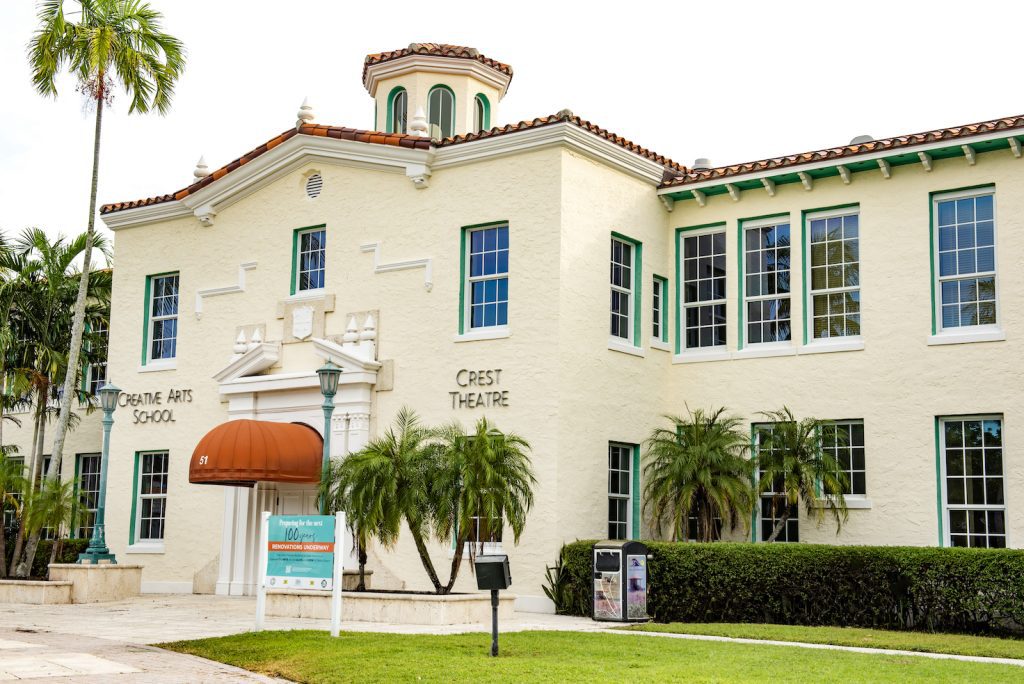
Delray Beach is going mostly all-in on renovation of the Crest Theatre.
At its Feb. 3 meeting, the city commission expressed its desire to go for the most expensive option from among three that a consultant presented. The Crest mostly has been closed since 2022, six months after the commission evicted the founding group from Old School Square, which includes the Crest. The city is holding arts classes in part of the Crest, but the performing stage remains dark.
Option 1, at $3.4 million, would have provided an upgrade barely enough for the most basic performances. Option 2, which would allow many more performances, came in at $7.4 million. Option 3, which would allow the widest range of shows, was estimated at $8.8 million.
As laid out by Mayor Tom Carney, the consensus was to go for Option 2 but aspire to Option 3. The city will set aside $5 million in its capital budget toward the project. There was the usual talk of trying to find grants—money from outside Delray Beach—for the balance.
“At least,” Carney said, the goal should be to bring the Crest “back to where it was.” Option 2 would provide “the biggest bang for the buck.” Commissioner Angela Burns called it “very promising.”
Everyone noted that the city will seek a feasibility study for operation of Old School Square. The next big decision will be who operates the cultural complex.
Judge denies dismissal of lawsuit by former Delray Beach Fire Chief
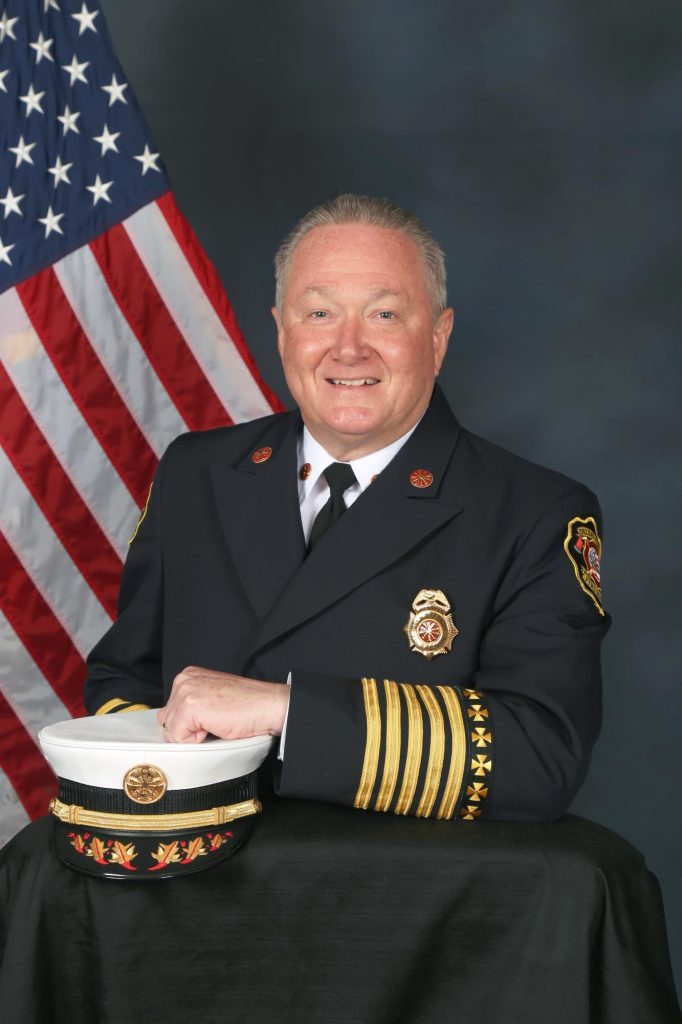
Delray Beach has lost its second attempt to dismiss the lawsuit by former Fire Chief Keith Tomey.
City Manager Terrence Moore fired Tomey in May 2024, citing policy violations. Tomey claimed that he was fired in retaliation for accusing Moore of making a sexual advance. An outside investigation cleared Moore of misconduct.
Palm Beach County Circuit Court Judge Carolyn Bell previously had ruled against the city. Last week, she denied the city’s motion for a rehearing. “Upon careful review of the arguments raised,” Bell wrote, “there is nothing that could change this Court’s ruling.”
The ruling does not mean that Bell agrees with Tomey’s case. It means that the case will go to trial absent a settlement.