This op-ed was written by former Lake Worth Beach City Commissioner Kimberly Stokes, who is also the founder of the Lake Worth Beach grassroots organization Lake Worth 4 All.
As Lake Worth Beach approaches another critical vote on the Wiener Museum of Decorative Arts (WMODA) project, residents are being asked to trust that city leaders have everything under control. Yet after years of approvals, subsidies, and public investments, many basic questions remain unanswered.
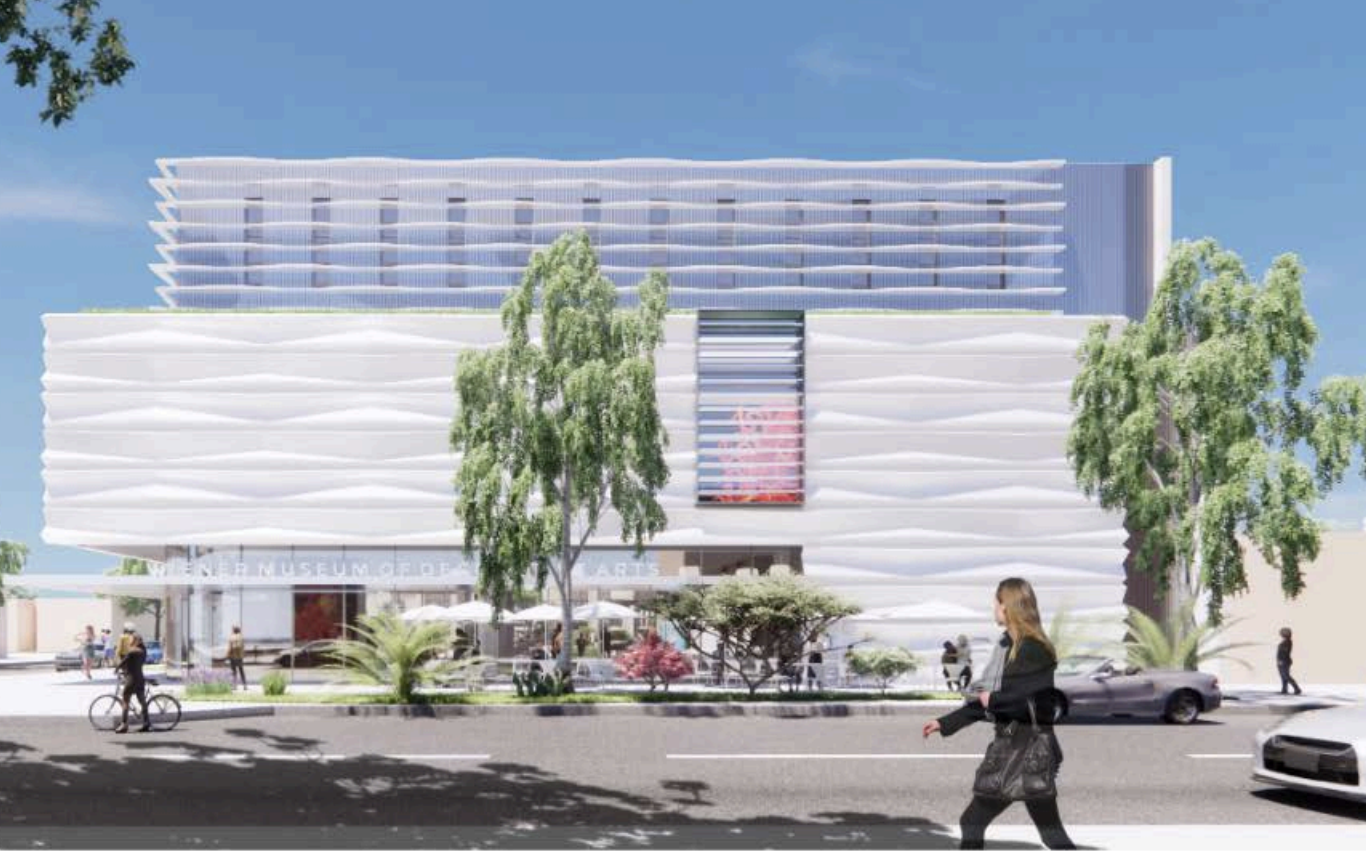
On June 30, the City Commission is expected to approve the second reading of the project’s K Street Parking Garage, a vote that would move the development significantly closer to reality. Supporters portray this as the final piece of the puzzle. For many residents, however, this is precisely the moment when the public should demand greater transparency and accountability.
The city has already committed substantial public resources to support the project. In addition to millions in land donations, infrastructure incentives, utility improvements, and affordable housing subsidies, the city is now moving forward with a public parking garage that could cost between $10 and 14 million. The garage is widely viewed as essential to making the WMODA development work, yet residents still have not been provided with a clear financial plan explaining the total cost, how ongoing operations and maintenance will be funded, who the garage is intended to serve, whether taxpayers will ultimately bear the cost for the garage, or if it will be paid parking, which the downtown merchants vehemently oppose.
These are not minor details. They are fundamental questions that should have been answered before commitments were made.
The city has approved a contract to figure out how paid parking would work, and has relied on parking studies whose financial models depend on paid parking revenues. Yet officials now suggest paid parking may be far off or was never central to the plan. Residents are left trying to reconcile conflicting messages while major public investments continue moving forward.
Equally concerning is the lack of enforceable protections surrounding the museum itself. The public has been told that Lake Worth Beach will become the permanent home of Arthur Wiener’s personal decorative arts collection. However, there appears to be no contractual requirement that the collection remain in Lake Worth Beach indefinitely or that the museum continue operating for any specific period.
When residents asked for stronger assurances, representatives reportedly offered only a verbal commitment that the museum would remain in Lake Worth Beach for at least ten years. Given the scale of public investment, that is hardly reassuring. The collection will ultimately pass to Wiener’s daughters, and there is no guarantee that future owners will share the same commitment to maintaining a museum in Lake Worth Beach.
If the museum leaves, residents could be left subsidizing an empty building that no longer delivers the cultural benefits used to justify the project’s extraordinary public support.
There are also unresolved legal concerns. A lawsuit currently challenges the use of four parcels included in the 1.7 acres being transferred to the developer. According to the lawsuit, those properties were acquired using penny sales tax funds restricted to public infrastructure and affordable housing purposes. Critics argue that transferring those parcels to support a private mixed-use development is inconsistent with the intended use of those public funds.
Whether the lawsuit succeeds will ultimately be decided in court. But its existence underscores a larger problem: Residents continue to learn critical information only after major decisions have already been made.
Perhaps most troubling is the apparent absence of a comprehensive public document explaining the project’s full financial picture. If city leaders have carefully analyzed the costs, risks, revenues, and long-term obligations, why has that information not been presented in a simple, accessible format? Why are residents still asking basic questions years into the process?
Lake Worth Beach is not a wealthy city. Every dollar invested in one project is a dollar unavailable for roads, utilities, parks, public safety, or affordable housing. Before committing what could ultimately approach $20 million in public resources, residents deserve complete transparency.
Public officials often speak about running government like a business. Any responsible business undertaking a project of this magnitude would insist on detailed financial projections, risk assessments, and contingency plans before moving forward.
The residents of Lake Worth Beach should expect no less from their government.