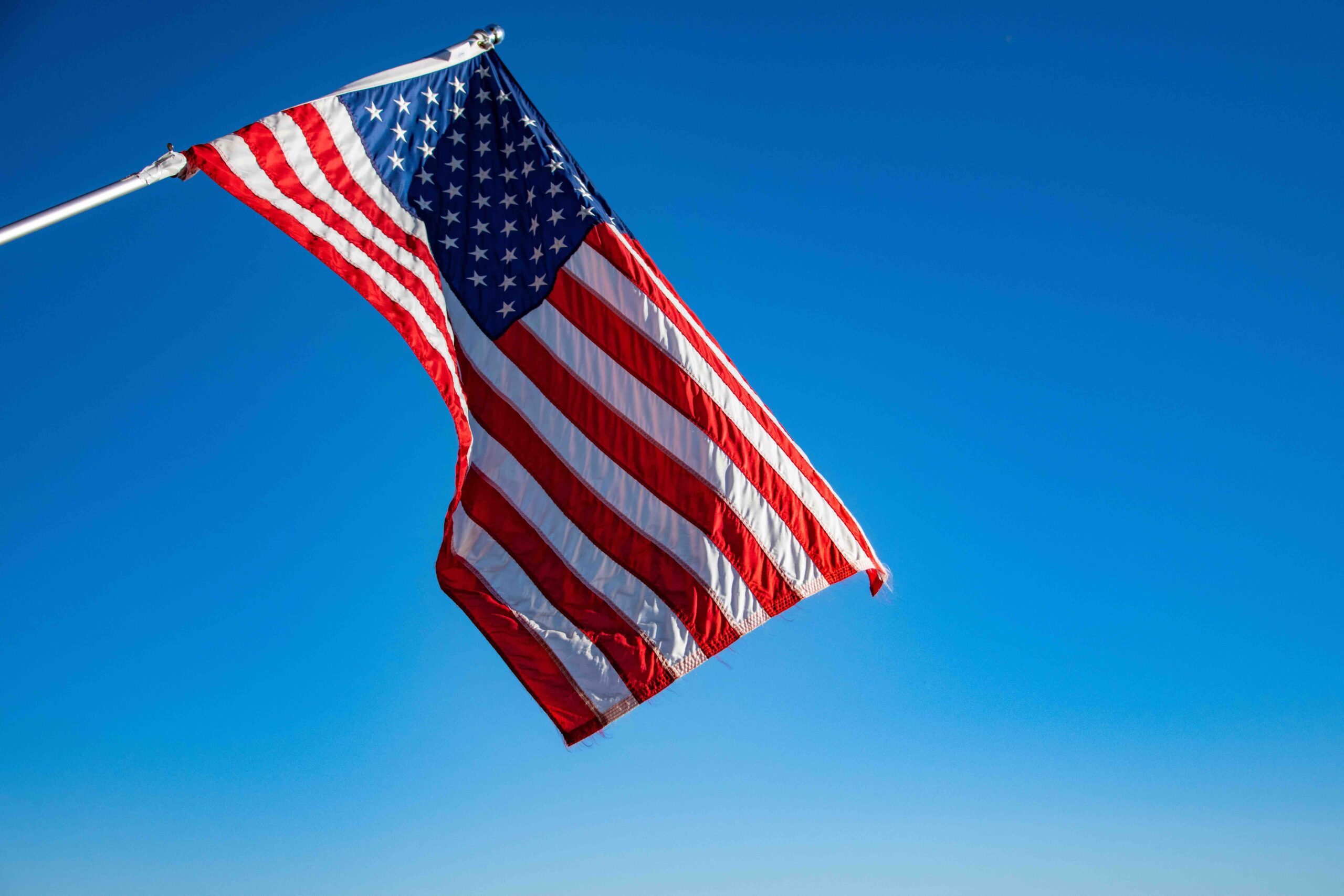
This July marks America’s 250th birthday, and in that spirit, we asked locals for our July/August issue’s Boca Chatter section who their American hero is. That got the team here at Boca magazine wondering the same thing—here’s who we selected.
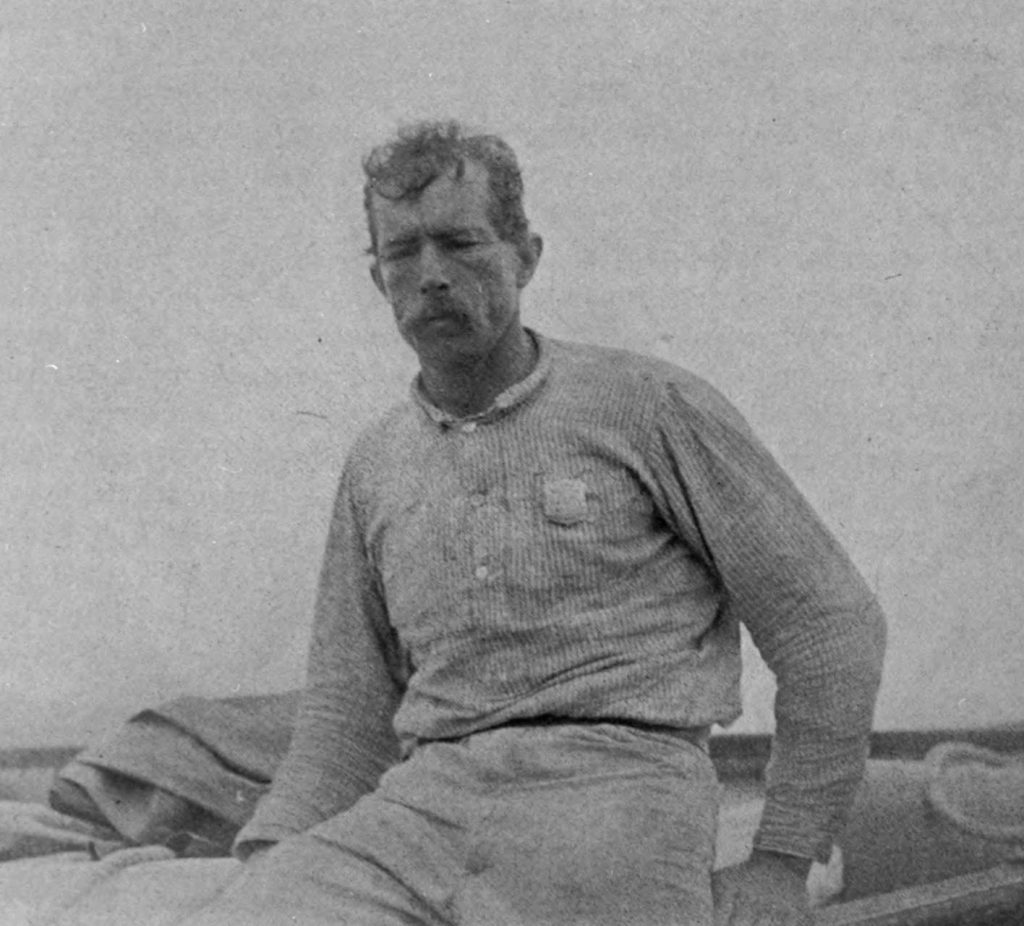
Guy Bradley
“The son of a barefoot mailman in the Lake Worth area, Guy Bradley arrived in Florida at age 6, and three decades later he would leave his own legacy in the state. Though initially a guide who assisted plume hunters—individuals who massacred Florida’s wading birds to obtain their fashionable feathers—Bradley wound up on the right side of the issue after the passage of a 1900 law banning plume hunting. He became a passionate protector of native birds, serving as one of the nation’s first game wardens, single-handled patrolling a vast region from the Ten Thousand Islands through the Everglades to Key West. In 1905, Bradley was killed in the line of duty during an attempted arrest of a hunter, who was acquitted for the crime on a bogus self-defense claim. Bradley’s sacrifice helped spur permanent changes in the commercial trade of feathers in Florida, and he is regarded as one of the state’s eternal champions for conservation. As ornithologist and writer William Dutcher put it, ‘every great movement must have its martyrs, and Guy M. Bradley is the first martyr in bird protection.’”
—John Thomason, managing editor and A&E editor
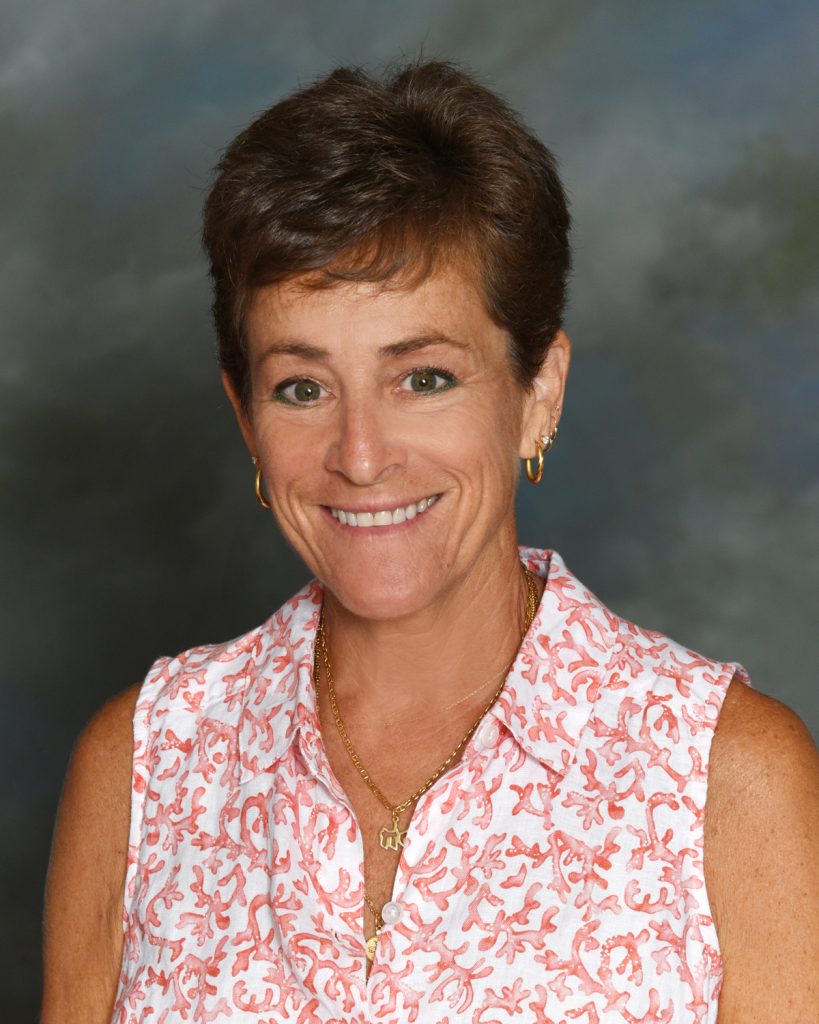
Jill Beningoso
“My American hero is longtime Grandview Preparatory School educator Jill Beningoso. She recently retired after more than 25 years of teaching Social Studies, History, Geography and Civics to countless students, including my own daughter! She was one of those rare and special teachers whose passion for her subjects translated to young, eager minds. My family and so many others will forever be grateful to her contributions to Grandview.”
— Michelle Olson Rogers, contributing writer
Mother Jones
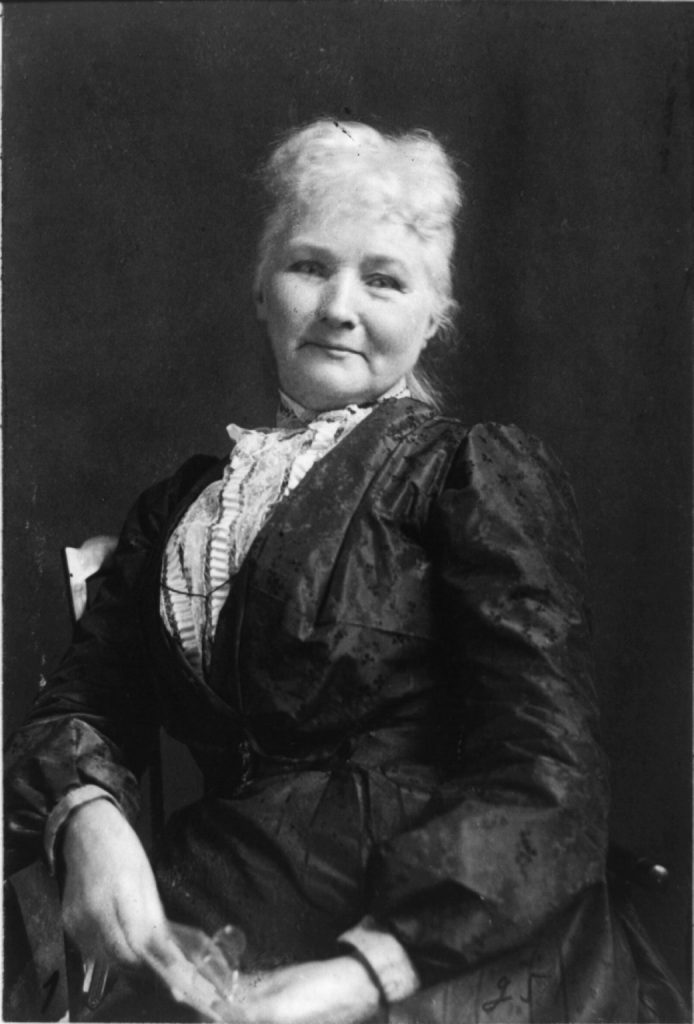
“Anyone who loathes child labor and loves weekends off owes Mother Jones a debt of gratitude. Born Mary Harris in 1837, Jones became a union organizer after her fresh start in Chicago was burnt up in the Great Fire of 1871. Prior to the fire, her husband, George E. Jones, and their four children died from a yellow fever outbreak when the family lived in Memphis, Tenn. Jones was part of the effort to rebuild Chicago which is how she became acquainted with the Knights of Labor—a labor movement that worked to improve worker conditions.
Jones eventually began organizing strikes for mine workers, earning notoriety for her impassioned speeches and ultimately becoming a key figure in the labor movement. She was once dubbed ‘the most dangerous woman in America’ by a West Virginia district attorney for her successful efforts in organizing strikes against mine owners. At age 60, Jones self-applied the ‘Mother’ moniker, seeing the mine workers that she represented as her own children.
In 1903, Jones organized the ‘March of the Mill Children,’ a 125-mile march from Philadelphia to the Long Island summer home of then-President Theodore Roosevelt. While she didn’t live to see it—she passed away in 1930—Jones’ advocacy contributed to the outlawing of child labor and the establishment of the eight-hour workday and 40-hour workweek, cementing weekends as a legal standard.”
— Tyler Childress, web editor
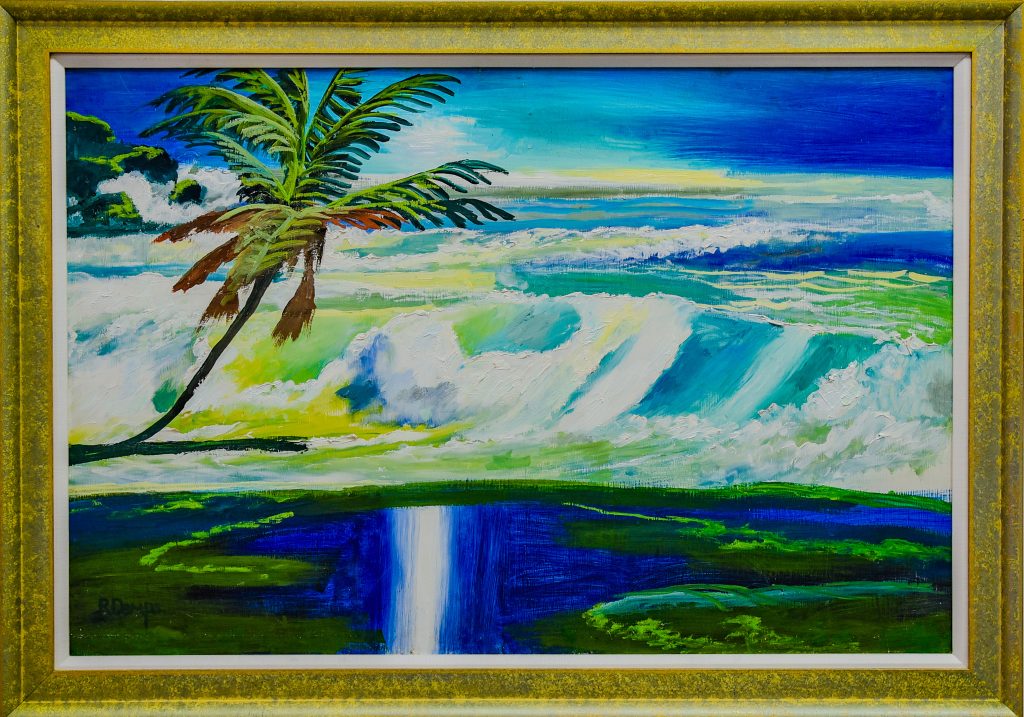
The Florida Highwaymen
“Heroes come in all shapes and sizes; I have many heroes from different corners…For this purpose I’m going with the Florida Highwaymen—26 African American, self taught artists from Fort Myers, who painted Florida landscapes on boards found on construction sites to help support their families. Being Black in the 1950s, no gallery would show their works, so they traveled Alligator Alley to the east coast and sold the paintings out of the trunk of their cars for an average of $25. As a kid growing up in South Florida, I remember seeing these artists who persevered in a world that said ‘no.’ Today, their paintings are worth thousands of dollars.”
—James Karpinen, graphic designer
Nellie Bly
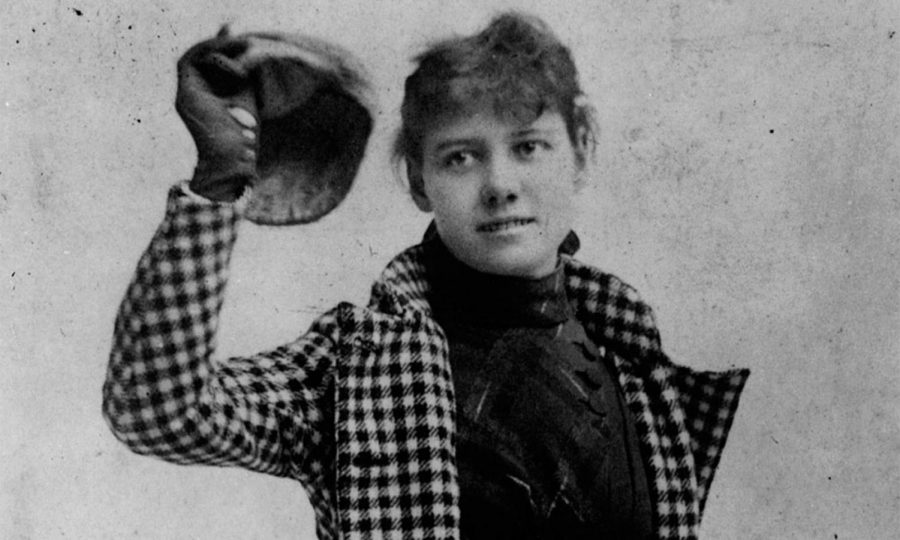
“The hardest part of this is choosing just one American hero! Nellie Bly, born Elizabeth Jane Cochran in 1864, got her start in journalism when she wrote a rebuttal to a sexist column in the Pittsburgh Dispatch, called ‘What Girls Are Good For,’ followed by more ‘controversial’ articles about divorce and marriage and women in the workplace. She was hired by the editor, writing about the lives of women and even going undercover at a copper cable factory to report on the working conditions. In 1887, she left to work at the New York World and got herself committed to an asylum, reporting on the inhumane conditions at Blackwell Island. Her article ‘Ten Days in a Mad House’ lead to major reforms.”
— Christiana Lilly, editor in chief
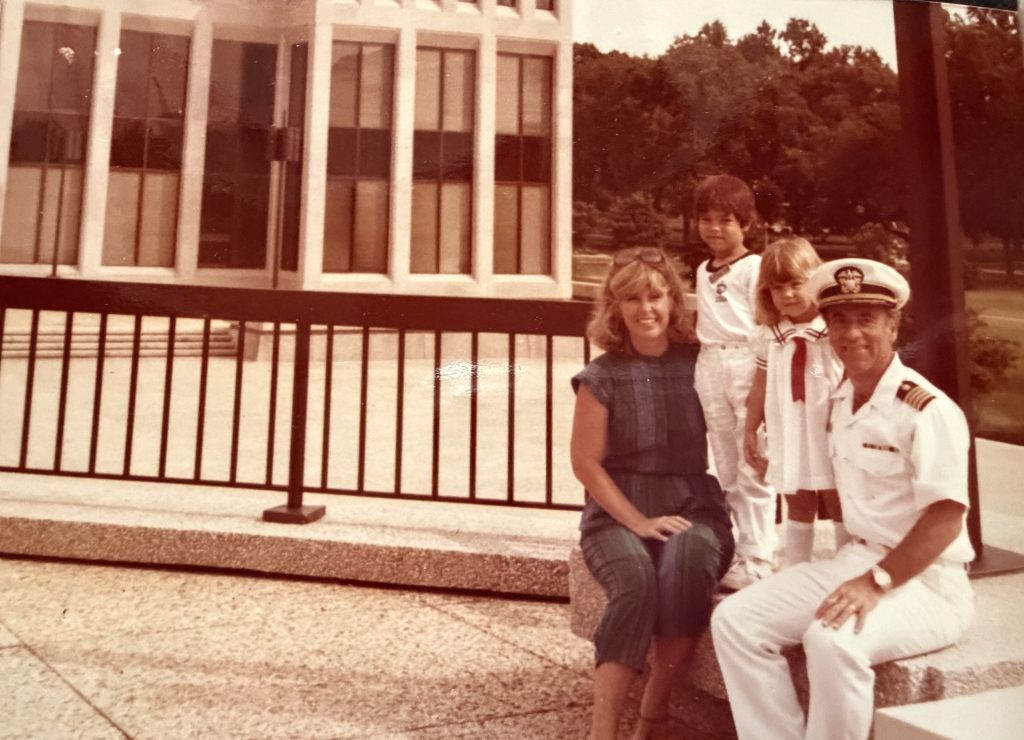
Military family
“I’ve been fortunate to learn from many heroes throughout my life and career, but my first heroes were my parents. My mom, who grew up in a military family, gave me a love of adventure, books, and voices like Maya Angelou, Maria Shriver, and other thought leaders who taught me that words have the power to inspire, heal, and change lives. My dad, a Navy captain who later served as a Naval Blue & Gold Officer, taught me about service, integrity, hard work, and standing up for what’s right. He introduced me to leaders like John F. Kennedy and Martin Luther King Jr., whose courage and conviction continue to inspire me. My parents showed me that heroism is found in how we treat others, how we serve our communities, and how we keep showing up for the people we love.”
—Paige Kornblue, contributing writer
This Web Extra is from the July/August 2026 issue of Boca magazine. For more like this, click here to subscribe to the magazine.