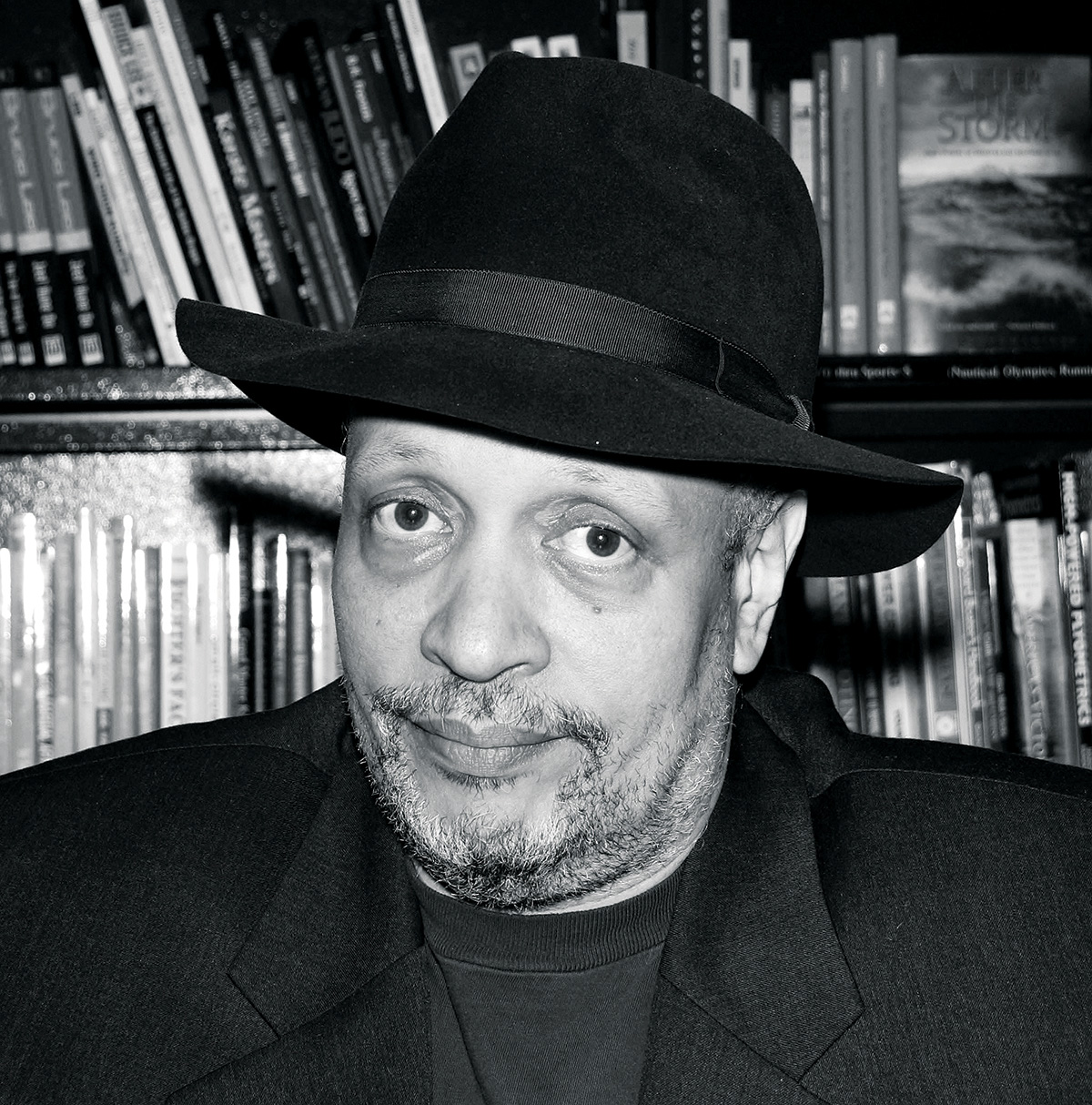
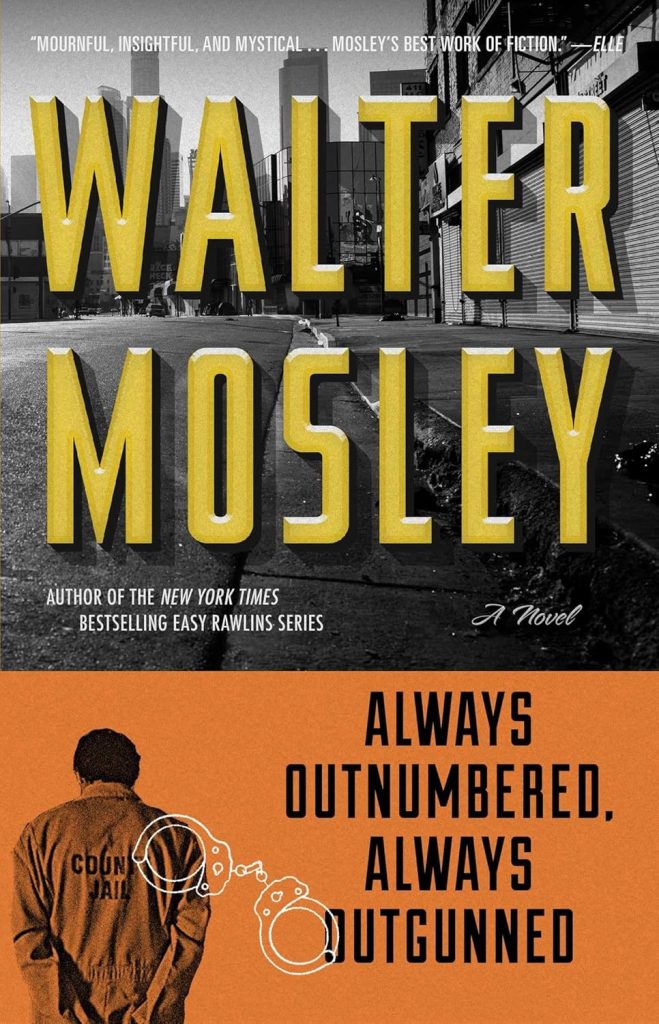
Walter Mosley started writing at age 34. It’s a late start, you might think, but one that allowed the political science graduate of Vermont’s Johnson State College to gain as much street smarts as book smarts—to look at Los Angeles, the turbulent city of his youth, and describe its denizens with the pulpy, jaded world-weariness already present in his debut novel, 1990’s “Devil in a Blue Dress.” Introducing Easy Rawlins, a factory worker who loses a job and stumbles into a seedy world of private investigations to pay his mortgage, the New York Times’ rave review called it a “suspenseful novel of human detection more than simply a detective novel.”
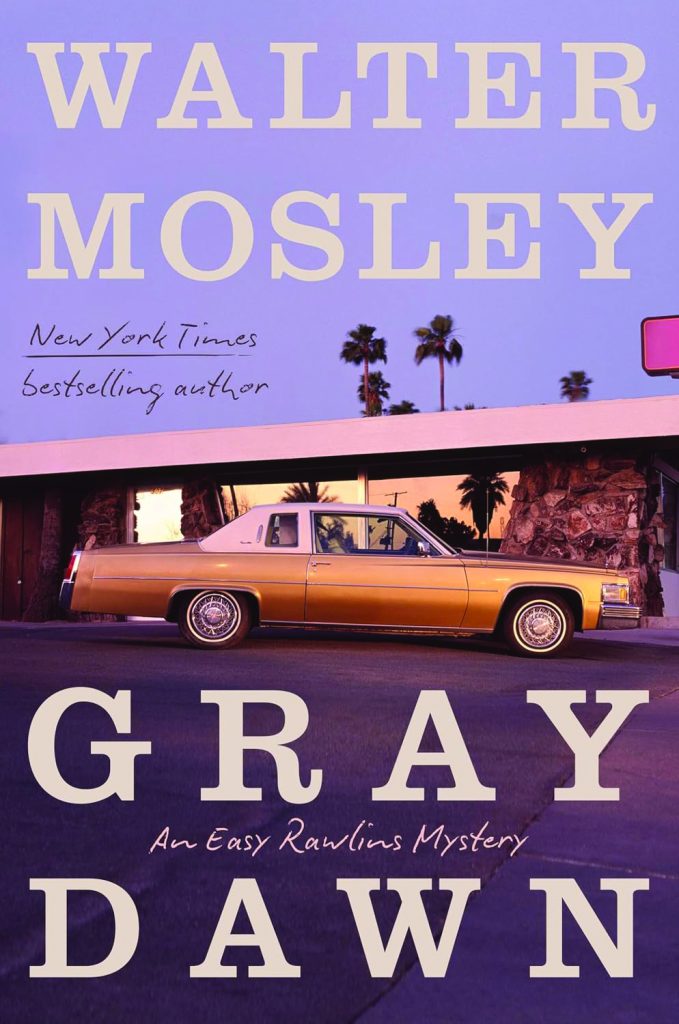
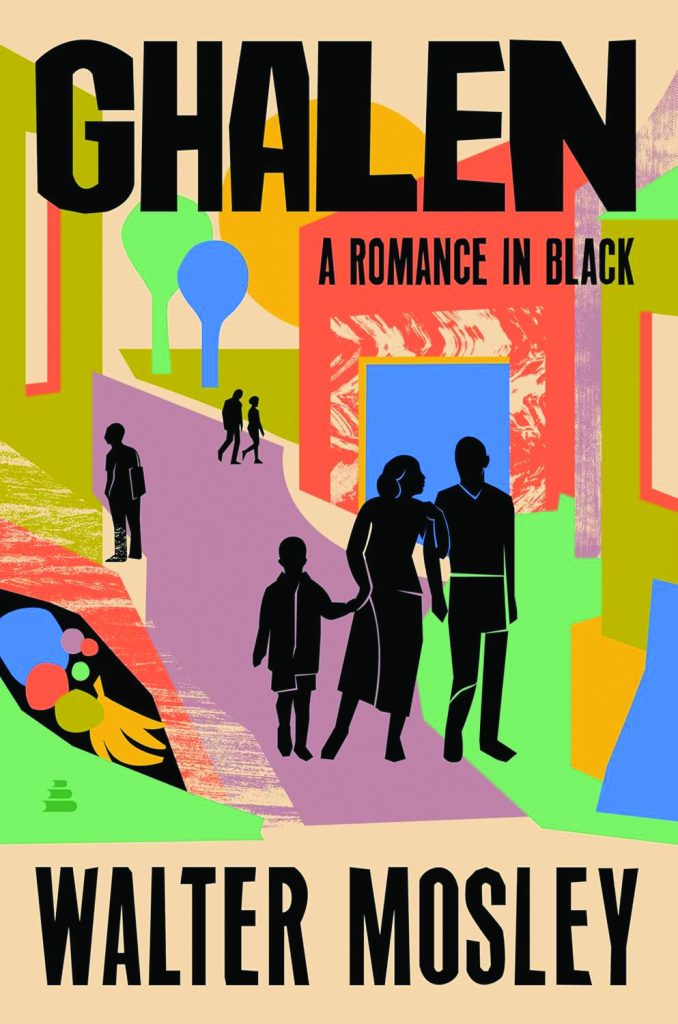
Denzel Washington played Easy in the 1995 film adaptation, by which time Mosley was off to the races. Last year saw the release of his 17th Easy Rawlins mystery, “Gray Dawn,” and Mosley has created five other series as well—thrillers and noirs featuring Leonid McGill, a New York private eye; King Oliver, a retired police officer; Socrates Fortlow, an ex-con trying to stay on the up and up; and more. He’s written upwards of 60 books in 35 years, with two more due in 2026, including “Ghalen,” his first romance.
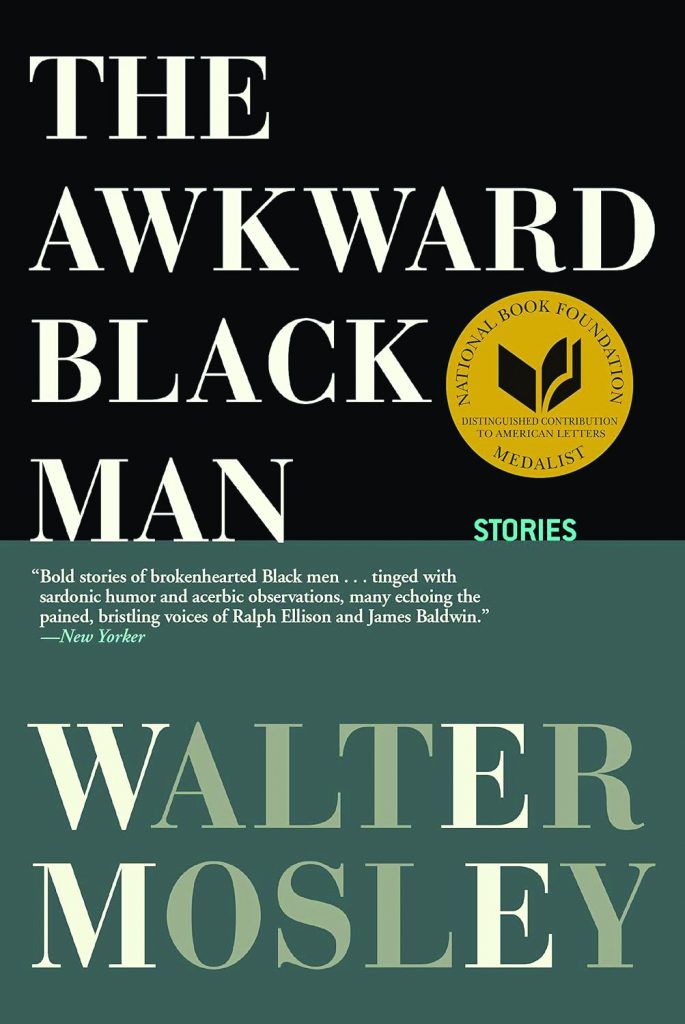
All feature African American characters in the most prominent parts. Born to a Jewish mother and a Black father, Mosley identifies with both communities. Though he made history, in 2020, as the first Black man to receive the National Book Foundation’s Medal for Distinguished Contribution to American Letters, Mosley doesn’t like to be pigeonholed as a “Black novelist.” Speaking to his own biracial identity and beyond, Mosley’s talk at Festival of the Arts Boca is titled “The Only True Race is the Human Race.”
What drew you to the dark side of life in your fiction?
I’m a Black man in America. Maybe 10 years ago, I was talking to somebody, and they were saying, “You know, it’s really strange. Nowadays, there’s a lot of information about Black people getting attacked and even sometimes killed by the police, illegally. Why is that happening now?” And my response was, “well, it was always happening, but when I told you about it 10 years ago, you didn’t believe it, because nobody had telephones that they could record it with.” Living in America, living in the violence of America, living in the threat of America—the people I write about live that threat forever.
Knowing that many of your readers are white, do you include elements in your stories that illuminate the Black experience in such a way that a white reader may think, “I’ve never looked at the world this way, because I’ve never been a Black man trying to get by in Los Angeles?”
I think the empathy comes from where things are the same—where Easy is going to work, or where somebody falls in love, or when somebody feels that they’ve been mistreated. Like if Easy is in a car and the police stop him, but he hasn’t done anything wrong.
I think that a lot of people who identify with the work from different cultures or different experiences will say, “I never realized that this guy is living the same life I am.” Because the original thought is that we live different lives, and that becomes the issue. So as long as I’m very clearly talking about Easy or Mouse or Jackson or Fearless Jones, if I talk about that character, how he experiences life, then almost any reader will say, “wow, I think just like that.” That’s interesting, rather than I’m trying to teach somebody something.
That being said, do you slip in the occasional Easter egg that’s mainly for Black readers—that might go over the head of someone like me?
That’s a hard thing to answer. My characters use language and have experiences and have neighborhoods and have Southern histories that a lot of people will identify with. They’ll just read it and say, “Oh, yeah, that’s how my uncle used to talk.”
One day, I gave a reading in Los Angeles, and at the end of it, a Black man in his 30s or 40s comes up to me, and he says, “So Mosley, in that book you’re writing about that character, Mouse, he was in this green house on Denker Avenue. I was born in that house.”
I made up the house. But indeed, he was born in that house. Those two things can be true: I can make up something, and he can have a memory, and they’re the same thing. A lot of that happens in the novels, where the world I talk about brings up in the reader a life they’ve lived.
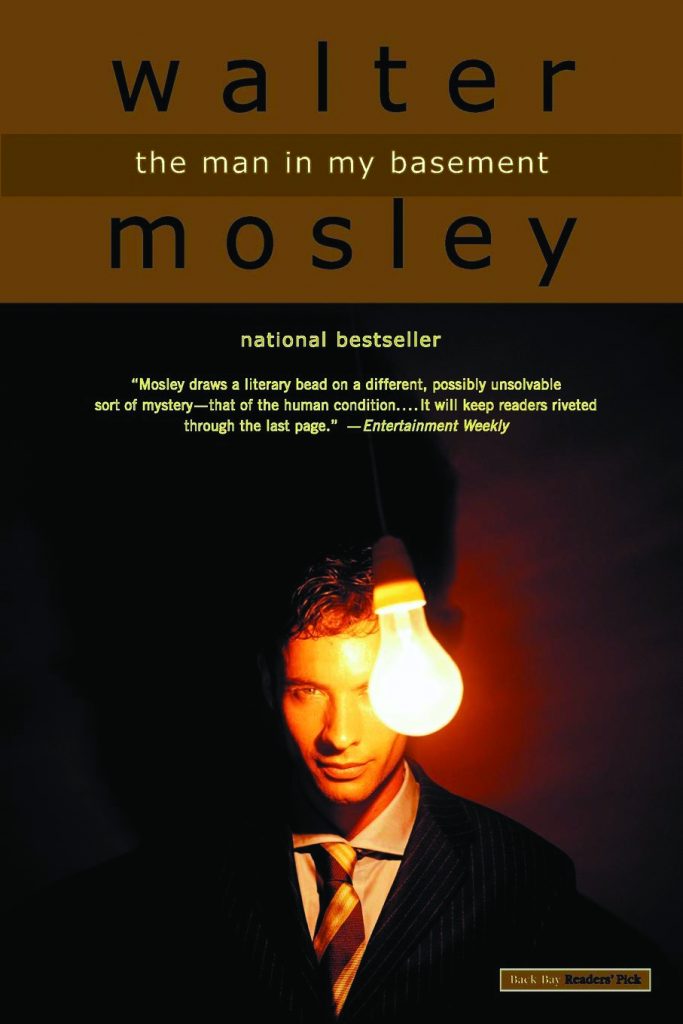
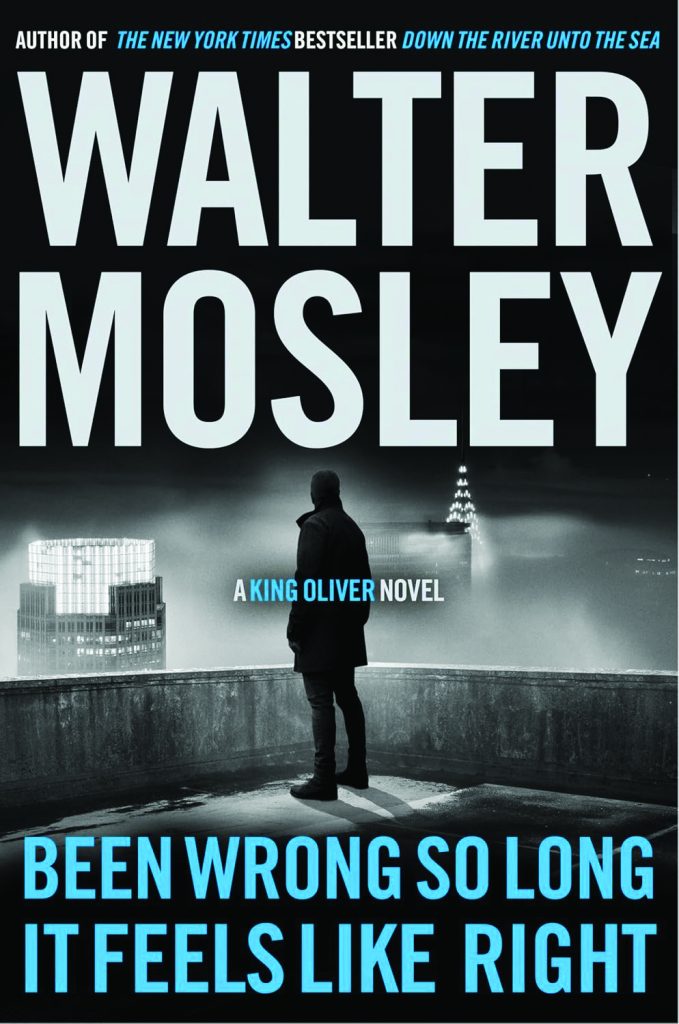
Your protagonists are often dealing with moral, ethical or legal dilemmas. Maybe they’ve committed adultery and wound up in prison in the aftermath, or maybe they’re considering armed robbery, if it means getting the money needed for a dying daughter’s medical care. How important is it for your heroes to have these gray areas to navigate?
I’m not so sure they’re gray. You have “Les Misérables,” right? Here’s a guy who has a child who’s starving, and he steals bread. Now that’s a major crime then, stealing bread. You could get hung for that. But I think anybody will understand somebody making the choice to say, “OK, I’m going to do something wrong, and I know it’s wrong, but it would be worse if I didn’t do it, and my child starves.”
Artificial intelligence is being used in some journalism, and it worries me. Is AI affecting fiction as well?
This is a complex question. I was a programmer for 16 years. To start off, if something is true artificial intelligence, and you said, “I need you to write me this paper,” it might say, “No, I’m not going to do that, because you need to write that paper, not me.” That’s artificial intelligence. It’s not a really fast computer. Most things that people call AI, 99%, is really fast, very sophisticated computing.
The one true form of artificial intelligence that exists in the world that I live in is capitalism. It’s money. It’s the fact that we’re the only creature on the face of the earth that 99% of our life is dependent upon how much or how little of this abstract concept we have—the dollars, the coins. You look at a piece of land, and say, “I own that land.” How do you own that? When you die, they’re going to bury you in it, and the land is going to own you.
I’m not worried about somebody saying, “Write a book like Walter Mosley.” Maybe one day I should, but not yet.
IF YOU GO
WHAT: Walter Mosley
WHERE: Mizner Park Amphitheater, 590 Plaza Real, Boca Raton
WHEN: March 3, 7 p.m.
COST: $35-$50
CONTACT: 561/571-5270, festivalboca.com
This story is from the February 2026 issue of Boca magazine. For more like this, click here to subscribe to the magazine.