America has had a prickly and oscillating history with drugs, particularly marijuana. Debates raged over whether the psychoactive drug from the cannabis sativa plant is good or evil, then the War on Drugs in the ‘80s created a taboo culture, forcing users to go underground to purchase the good stuff.
It’s still classified as a Schedule 1 substance in Florida, which can carry a felony sentence, as recreational use is illegal. But the 2018 Farm Bill created a loophole that federally legalized hemp-derived THC (with no more than 0.3% Delta-9)* and left no specified limit for other hemp derivatives. CBD, or cannabidiol, is the plant’s non-psychoactive counterpart to THC, or tetrahydrocannabinol.
After the bill’s passage, there was a steady uptick in edibles and, now, social tonics. In 2024, hemp production in America crossed $445 million, up 40 percent from 2023, with more than 45,000 acres planted, up 64 percent from 2023. This mainstream cultural acceptance of THC all but eviscerated the stigma of shady corners with less-than-standup dealers, replacing it with everyone from high-powered boardroom execs to adorable nannas enjoying these alternative beverages.
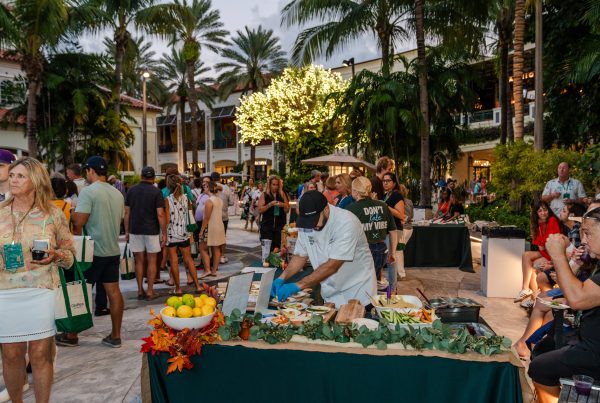
“This category isn’t a fad; it’s a behavior shift,” says Joe Durkin, co-founder of AltBev Expo, a next-gen beverage convention that recently took place in Palm Beach. “People want a drink that supports how they want to feel: calmer, more focused, more social, better recovered—without centering the experience around alcohol.”
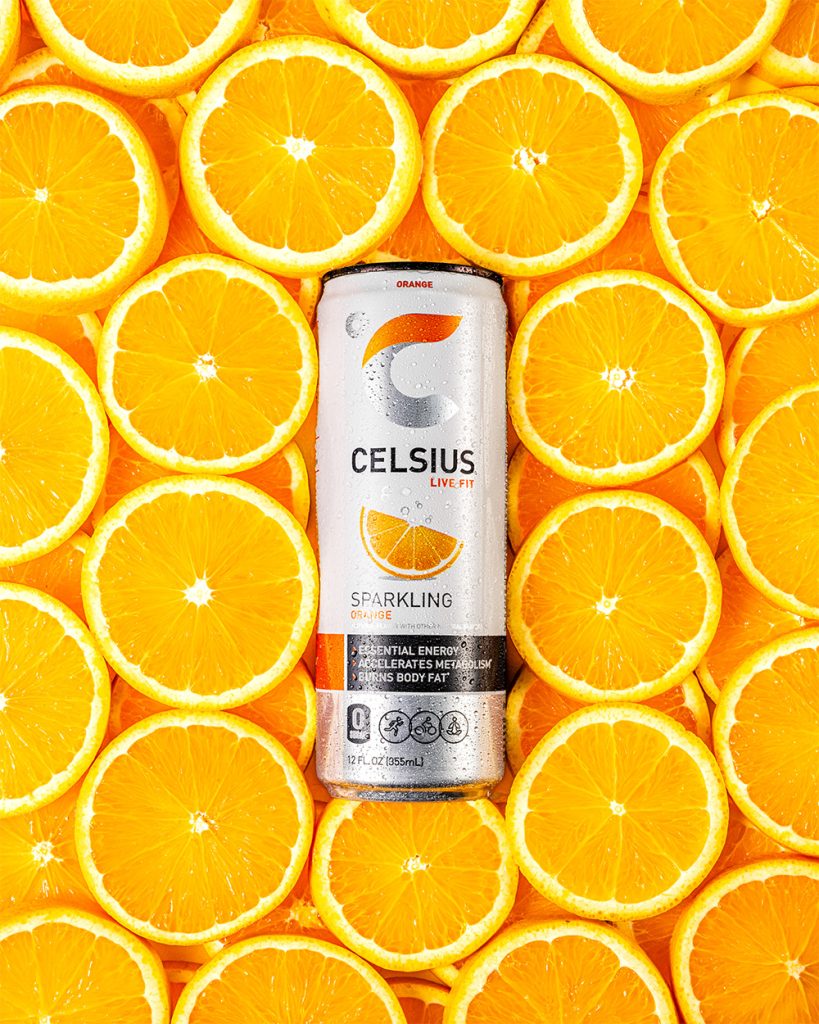
Celsius, a Boca Raton-headquartered brand, has been a main player in the functional beverage space since 2004, well before the THC or adaptogenic spaces erupted. Originally marketed for weight loss, Celsius has evolved into a broader wellness lifestyle offering that continues to use high-quality, sugar-free ingredients. So, while fans may not see THC in the brand’s ingredient list soon, chief brand ambassador Kyle Watson says Celsius is still feeling the benefits of the trend.
“People thinking about alternative beverages gives Celsius a lot of opportunity and a lot of white space, because when they’re not drinking alcohol, they are looking for alternatives, and one of the alternatives is Celsius,” she says.
Similarly, Funky Buddha Brewery has been an innovative force in the beer space since 2007, when it was based in a small Boca Raton shopping center. But it expanded its offerings last year, launching THC-infused social tonics with a laser focus on fl avor and rigorous testing in its private lab to ensure quality.
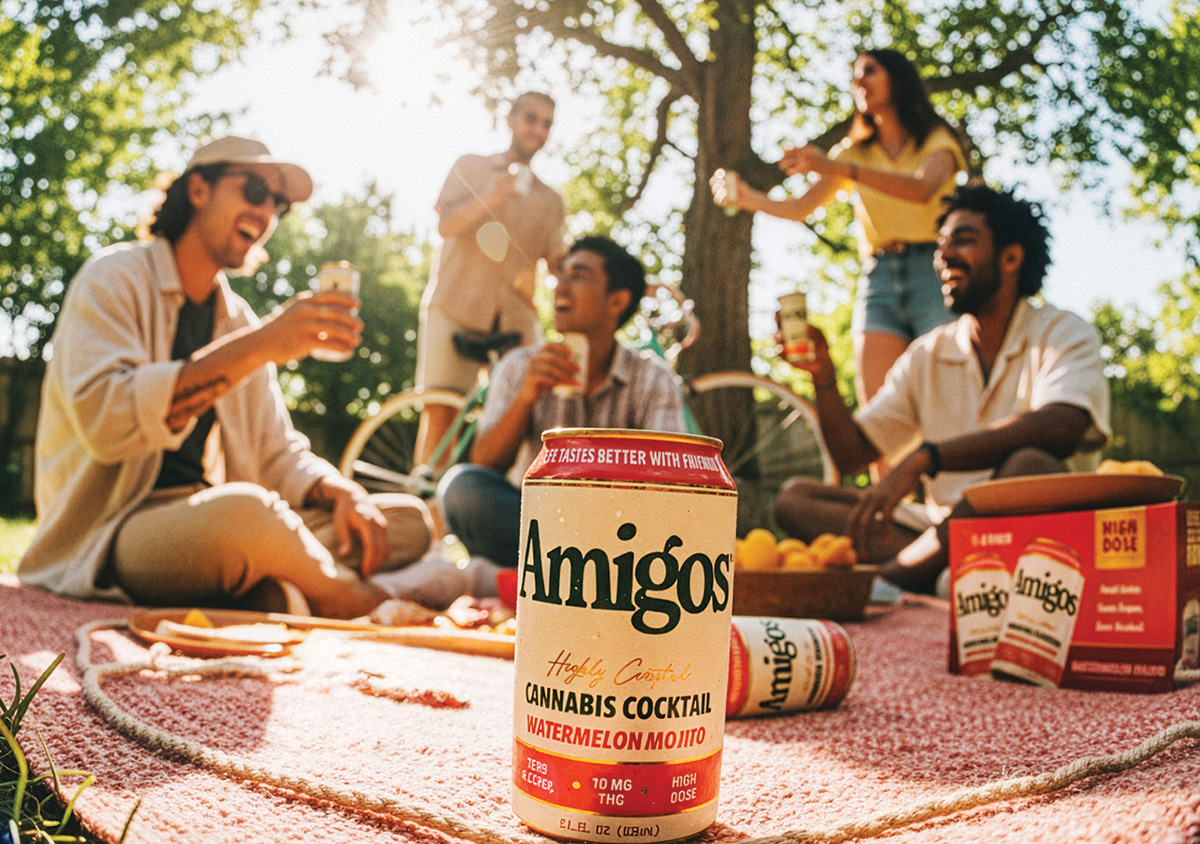
“The reality is, people are drinking less, so we had to pivot in order to stay viable,” says Ryan Sentz, the brewery’s co-owner. Amigos, a local cannabis cocktail and soda company, benefits from the experience of its founders, David Shiffman, Jason Brietstein and Patrick Masucci, who have been in the hemp industry since 2018 and launched Amigos early last year. The team’s goal was straightforward: to create a flavor-forward drink made with high-quality ingredients, including real fruit juice and organic cane sugar.
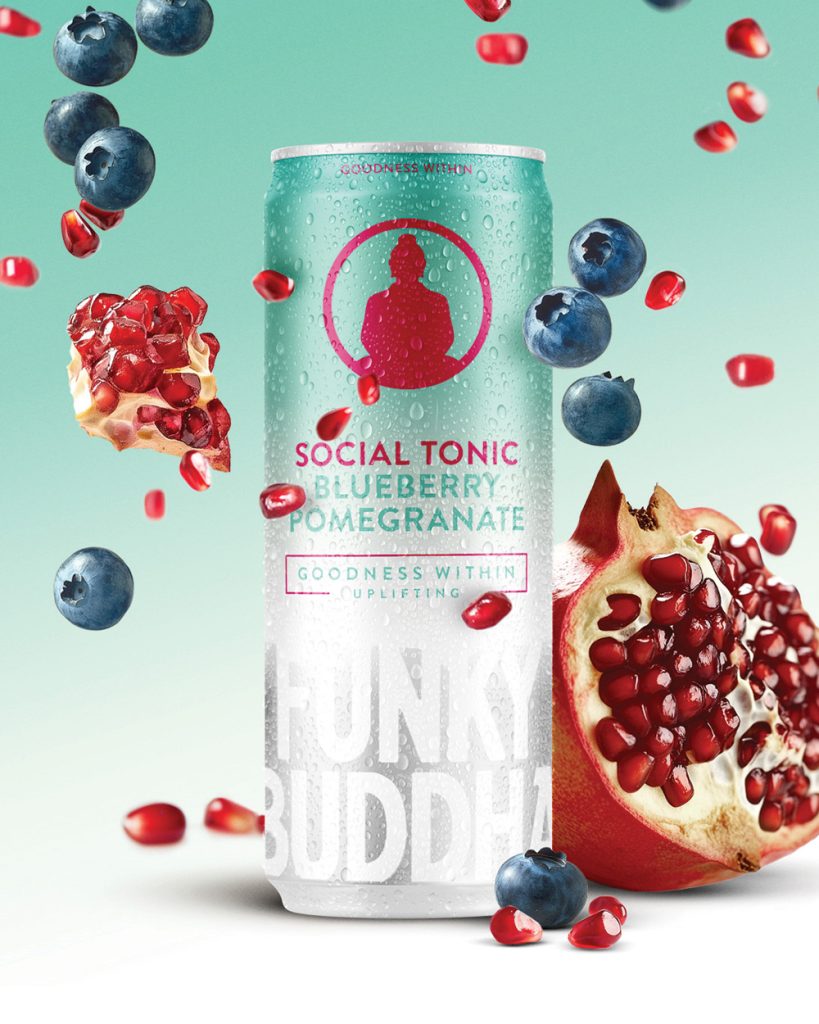
Other local companies to check out include Brez, offering cannabis and adaptogen-infused drinks; Mega Bump, a coca leaf infusion; and Odyssey, a functional energy drink made with mushrooms and green tea.
*2025 federal legislation banned most hemp-derived cannabinoid products. There are currently efforts to repeal or amend this.
ADVICE FOR NOVICES (from Ryan Sentz)
• Use caution: Beverages take effect faster (compared to edibles) because they are nano-emulsified, meaning they are broken down into microscopic particles that are absorbed and processed more quickly.
• Best enjoyed at home: Start with one 5-milligram tonic, wait 30 minutes, assess the effects.
• Everyone is different: Starting with a low-milligram dose and stacking it slowly is the best practice.
This story is from the May/June 2026 issue of Boca magazine. For more like this, click here to subscribe to the magazine.