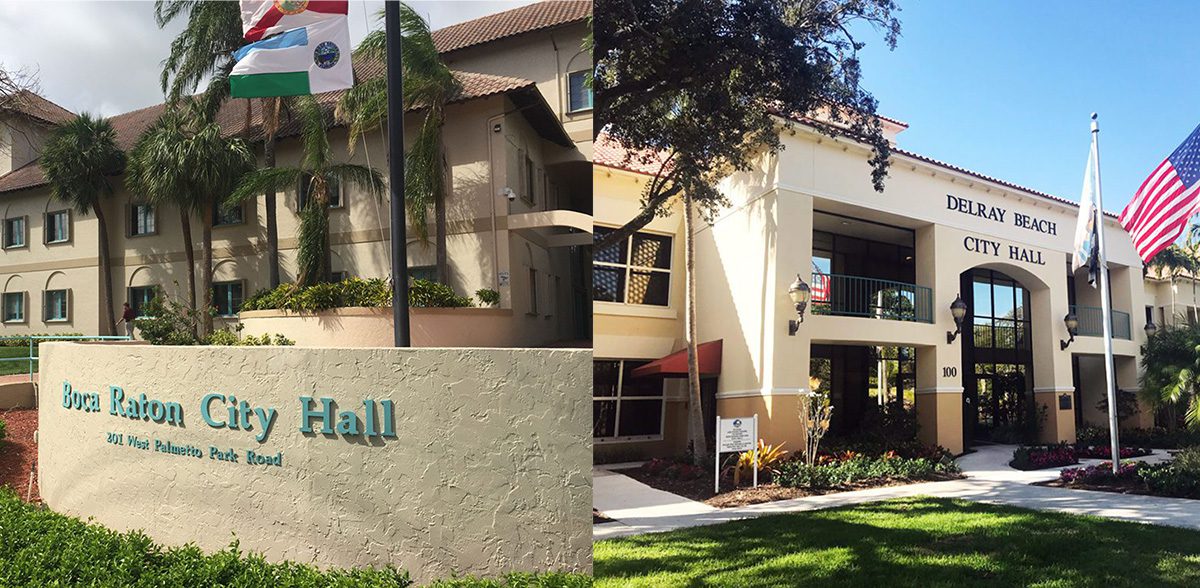
Boca Raton and Delray Beach city officials this week presented options for adjusting to a ballot measure that would—if approved by 60% of voters—expand homestead exemptions.
The bill—as approved by the Legislature and Gov. Ron DeSantis—would expand homestead exemptions from $50,000 to $150,000 for 2027, then up to $250,000 in 2028. While this provides financial relief to some homeowners, the result would be less property tax revenues, which in Boca and Delray make up more than half of the general fund budgets. The general fund finances police, fire-rescue, parks, and other city services.
A reduction in property tax revenue would shift a greater tax burden onto non-homesteaders—renters, commercial real estate, businesses, and snowbirds whose primary residences are out of state. In Boca, this equates to a roughly 7% increase in the tax burden for non-homesteaders.
Cities have time to adjust. If the measure is approved, the first budget to be affected will be 2027-28. Boca Raton expects a reduction in $8.1 million for that fiscal year. That figure in Delray Beach ranges from $7 to 12 million.
Boca city staff presented several possibilities, including increasing the millage rate. Boca Raton has the lowest millage rate of nearby municipalities at $3.66 per every $1,000 of a home’s taxable value. A 12% increase of the millage rate to $4.10 would cover the $16.7 million that the City is projected to lose when the exemption expands to $250,000. A millage rate of $4.10 would still put Boca at a lower rate than surrounding municipalities. In Delray Beach, the millage rate is $6.11
Staff presented, but advised against, an across-the-board decrease in budgets. Such a proposal would mean a 6% decrease in all departments, including police and fire. If police and fire were excluded, a decrease of about 17% of all other departments would be necessary.
Boca could also increase and implement new fees. These include fees for library cards and parks, neither of which are allowed funding through the proposed tax reform. Another option would be paying private companies to provide services once provided by the City. A less desirable option would be allowing private companies use of City-owned property—advertising on billboards, selling naming rights, etc.
Delray Beach city staff also presented raising and implementing fees as an option. Staff also explored the creation of a municipal service taxing unit (MSTU), or initiating a payment in lieu of taxes program to fund city services. An MSTU—essentially a property tax that funds specific city services (street paving, beach erosion, etc.)—would have to be approved by the Palm Beach County Commission.
No decisions have been made and officials in both cities are still workshopping ideas. Both cities will spend the coming months educating voters on the property tax reform ballot measure and its potential consequences. We’ll have more information leading up to the November election.
Liebelson’s never-ending campaign

Mike Liebelson, who lost the Boca mayoral bid to Andy Thomson by five votes, has not declared his intention to run for the City Council seat that will be vacated by Yvette Drucker when she runs for Palm Beach County Clerk and Comptroller. But during public comment at city council meetings, he certainly speaks like he’s campaigning.
At this week’s Community Redevelopment Agency and City Council meetings, Liebelson spoke in favor of the proposed tax bill.
“We should 100% be in support of property tax reform and this particular bill that is coming from the State,” he said. He then told a story about a young family he met while running for mayor who were renting an apartment and how an increase in the millage rate would cause their rents to go up. Ironically, supporting the property tax bill he’s in favor is what would cause rents to increase.
“Reducing property taxes is the biggest lever that the City of Boca Raton has to improve affordability and to help our young families get into homes,” he said.
Property taxes aren’t what’s keeping people from buying homes. Home prices are what is keeping people from buying homes.
Replaying the hits
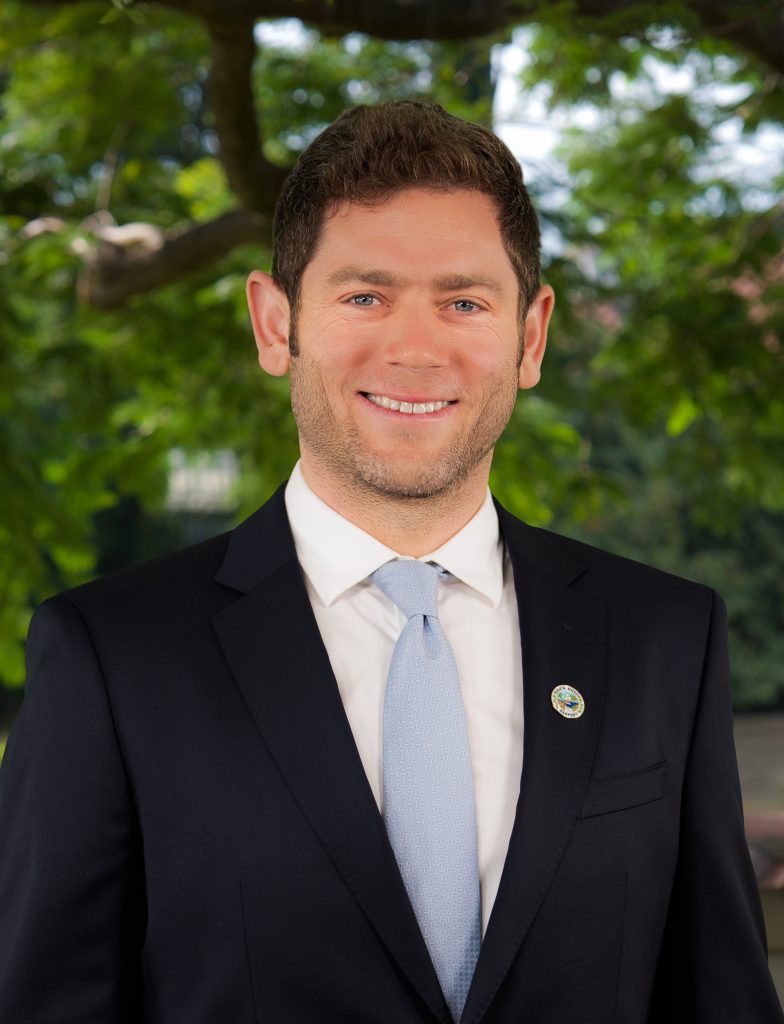
Councilmember Jonathan Pearlman once again failed to make it through a city meeting without mentioning the March referendum vote that killed the Terra/Frisbie deal.
At Tuesday’s meeting, Pearlman praised the decision of voters to oppose the plan, arguing that the money the City saved—and the interest accrued—could cover the revenue deficit “possibly over 10, maybe even 15 years down the road.”
But the City is still going to be spending money on a new government campus regardless of the Terra/Frisbie deal. The only difference now is that—if no commercial real estate or housing is developed—it will bring in less revenue.
Billie Jean King Cup could return to Delray Beach
The Palm Beach County Sports Commission (PBCSC) has once again approached the City of Delray Beach about hosting the Billie Jean King Cup at the Delray Beach Tennis Center.
Hosting the cup would require $75,000 from the City, as well as public safety contributions from police and fire-rescue. Delray Beach commissioners approved submitting a bid in collaboration with the PBCSC to host the event. The last time Delray Beach hosted the Billie Jean King Cup was 2023.
Delray Beach approves use of opioid settlement funds
Delray Beach commissioners on Tuesday approved the use of the City’s opioid settlement funds on a mobile integrated health unit (MIHU) based on recommendations from the Opioid Settlement Advisory Committee.
The City has just over $395,000 in settlement funds remaining. It will continue to receive payments over the next 18 years. The funds will be used to fund 50% of the start-up costs associated with developing the MIHU, which will operate within the Fire-Rescue Department. The funds will cover a portion of salaries and benefits for a paramedic and social worker.
The MIHU will provide resources to victims of opioid abuse and overdose with the goal of helping them find and remain in treatment. Since the funds will only cover the start-up costs, more City will be needed to continue funding of the MIHU.