
Boca Raton Mayor Scott Singer wasn’t on Tuesday’s ballot, but he set the stage for the results.
And the judgment was harsh.
Singer championed the Terra/Frisbie project, pushing for a deal before he leaves office this month. Instead, voters shot down the project by a margin of nearly three to one.
Opposition to the project midwifed Save Boca. On Tuesday, all three of the group’s first-time candidates won council seats handily by running against City Hall and “overdevelopment.” That gives them a majority on the dais.
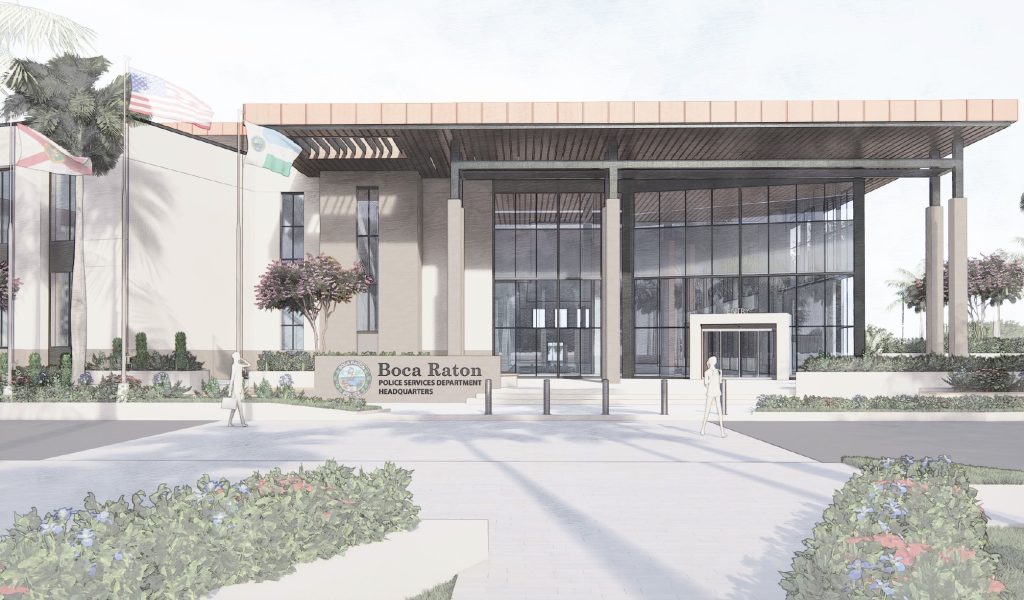
Save Boca also helped to kill the new police station, which the bond issue on the ballot would have financed. The margin was closer than for the Terra/Frisbie project—55% to 45%—but enough voters saw it as part of the Terra/Frisbie plan (it is its own project) and said “no.”
Even if Councilman Andy Thomson prevails in the mayor’s race over Mike Liebelson after a recount, this will be the most inexperienced council in decades. None of the Save Boca candidates—Michelle Grau, Jonathan Pearlman and Stacy Sipple—have served on a city board. That’s been the traditional training ground for aspiring council members.
If Liebelson wins, that will mean four neophytes serving on the five-member council. And if Councilwoman Yvette Drucker is the only holdover, she could be preoccupied with her race for county clerk and comptroller.
The timing for such inexperience is not ideal.
The new mayor and council will have to start over on plans for a city hall, community center and recreation facilities on the 30 acres around the current City Hall. There can be no plan until the move of the police station to Spanish River Boulevard becomes certain; city officials have explained that rebuilding would be more expensive and less efficient.
The immediate priority should be to approve plans for a less expensive police station. The $175 million estimate for Tuesday’s proposal likely bothered some voters, even if the real cost likely would have been lower. Staff surely has been working on alternatives that could go to voters in the August state primary or November general election. If the Save Boca council members support it, the plan should pass.
All the winners favored paying for new public facilities with public money. If they want that to happen, they will have to find a way to finance it. The city does not have the money on hand. The only method is a bond, financed with property taxes, like the plan for the police station.
Finally, the new mayor and council may face the prospect of having to balance the budget—while maintaining high-quality services—without property tax revenue from homesteads. If the Florida legislature puts such a proposal on the November ballot, it almost certainly will pass.
Having covered the Terra/Frisbie plan for the last 18 months, my analysis is that Boca Raton is in this position because of the outrage Singer generated by pushing ahead with the plan without securing public support, and for a long time blithely dismissing the criticism. One should have realized the need for early community input when Terra/Frisbie’s original plan revealed the scope of the council’s ambition for a public-private partnership.
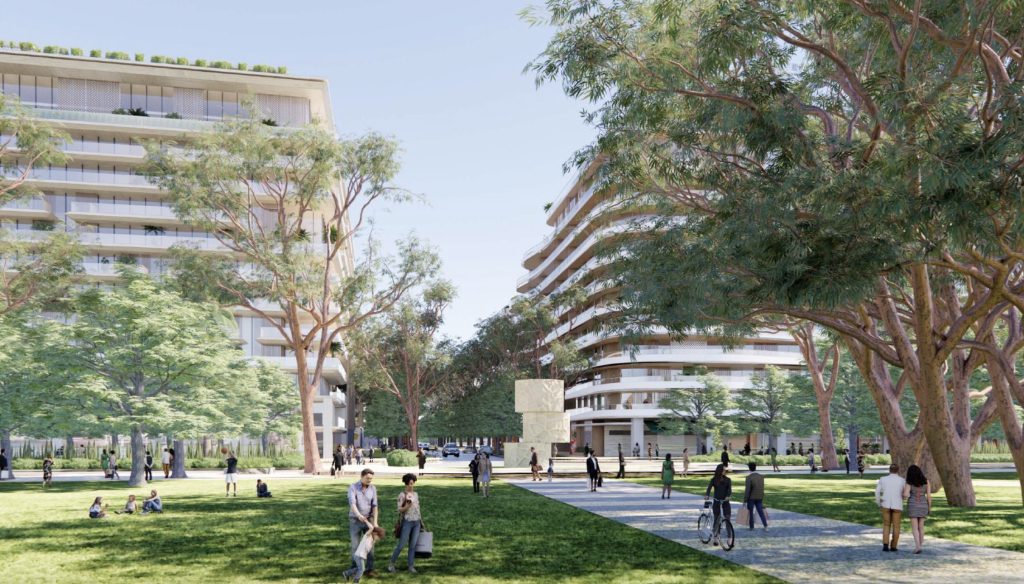
Terra/Frisbie proposed 1,129 apartments, 250,000 square feet of shops and restaurants, 250,000 square feet of offices, a 150-room hotel and 3.434 parking spaces. The lease would have covered all 30 acres and removed recreation facilities. Yet Singer and Councilmembers Fran Nachlas, Marc Wigder and Drucker plowed ahead on a schedule that, from their comments, staff members considered too aggressive. Singer wanted final approval last October. To critics, Singer wanted Terra/Frisbie to be his legacy project.
Instead, based on the last few months and the election results, Singer’s legacy will be mistrust of the council and possibly the staff, though the staff is blameless. You’d think Singer would have learned the limits of his persuasiveness three years ago. That’s when he forced on the city a special election—costing $145,000—on lengthening mayor and council terms from three years to four. It failed; 59% of voters rejected it.
Notably, the mayor’s race was the only one without a Save Boca candidate. But Liebelson attached himself to Save Boca, and late in the campaign he sent out a mailer noting that Thomson had voted with Singer “98% of the time.” That’s accurate. The misleading part is that most council votes are unanimous. Many are routine. Very few concern development. Singer supported Nachlas for mayor. Thomson opposed Terra/Frisbie.
It’s worth noting that either Nachlas—who finished third—or Wigder—who lost to Pearlman—could have objected at any point to the timetable. Either could have called for a vote, as Thomson did. But they stuck with Singer and paid the price.
The mayor drew other criticism last summer by encouraging wealthy New Yorkers to move to Boca Raton—including a $70,000 billboard in Times Square—after it became clear that Zohran Mamdani would become mayor. Singer appeared on Fox News outlets and then announced a run for Congress; many residents expressed the view on social media that Singer was using city resources to promote himself. That played into the Terra/Frisbie debate.
Singer has been mayor since 2018. On Tuesday, he posted a conciliatory message on social media. Tuesday might have gone differently if Singer had shown that attitude a year and a half ago. Residents will have to hope that the collateral damage to the city is limited.
New Boca City Council will write new downtown development rules
One other point: By 2028, the new council must write new rules for downtown development. That will be a complicated process and will require council members to lean heavily on the competent staff. It’s another reason for them to learn the basics and avoid disruption.
Boca mayoral race recount will happen this Friday
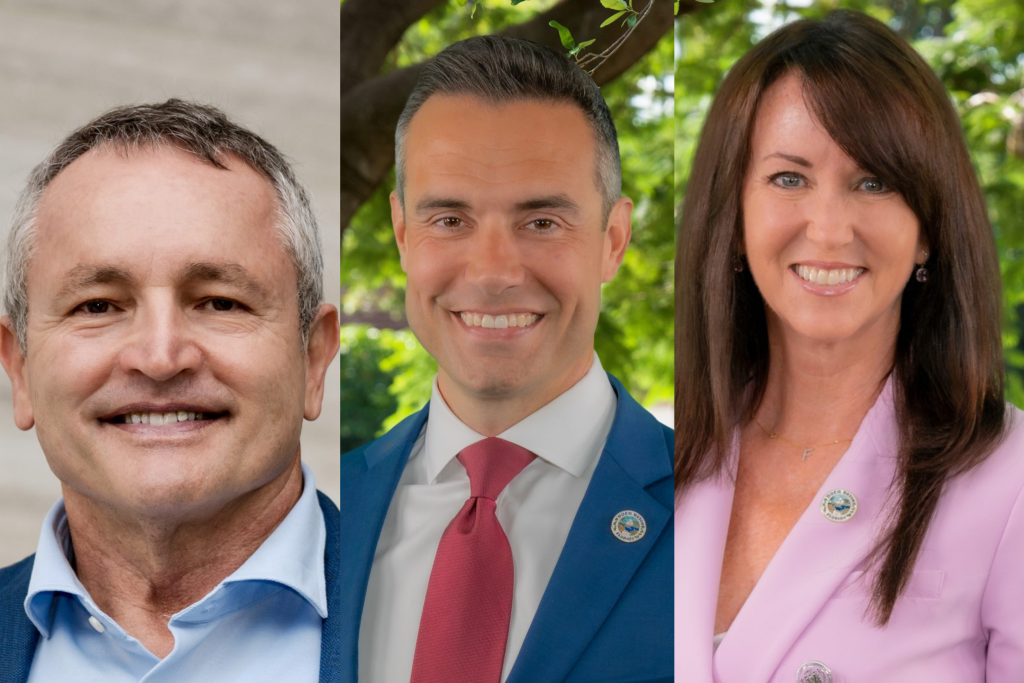
That mayoral recount will happen Friday.
Between now and then, Supervisor of Elections staffers will examine mail-in ballots that had signature questions and see if any can be corrected. They also will examine provisional ballots—those where a voter’s registration status is uncertain.
Palm Beach County’s canvassing board will oversee Friday’s hand recount. Board members are County Commissioner Gregg Weiss, County Court Judge Katherine Mullinax and Elections Supervisor Wendy Link. Liebelson and Thomson will have lawyers present.
Delray Beach election results
In Delray Beach, both political factions lost in Tuesday’s one city commission race.
The faction that includes Mayor Tom Carney had backed Andrea Keiser. The faction that includes City Commissioner Juli Casale had backed Delores Rangel. Instead, Judy Mollica won Seat 2 with 40% to 34% for Keiser and 26% for Rangel.
Mollica, a Realtor and a founder of Friends of Delray, ran unaligned. For the first time since Rob Long left the seat early in December to run for the Florida House, Delray Beach will have a full city commission. Mollica takes office March 26.
Extended deadline for Delray to remove banyan tree
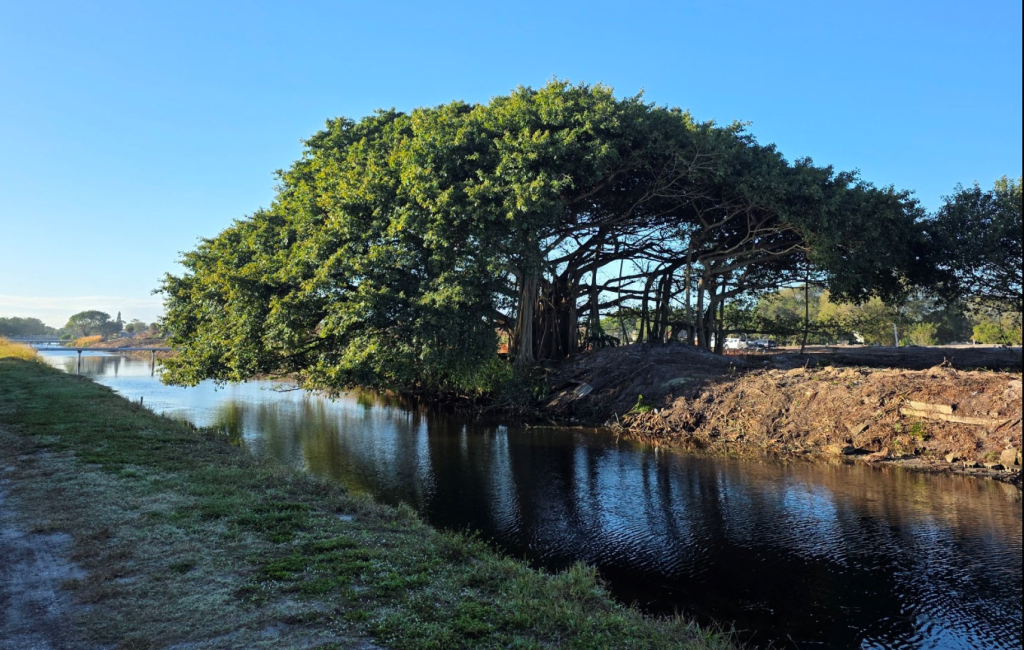
The Lake Worth Drainage District has extended the deadline for when Delray Beach must cut down a large banyan tree on the city’s main golf course.
City Manager Terrence Moore told me Wednesday that the additional 30 days will allow the city to make its case at the District Board of Supervisors meeting on April 15. At that time, Moore said, the city will present its own assessment of how much flood risk the tree poses to the E-4 Canal.
Florida Legislature passes DEI bill before passing a budget
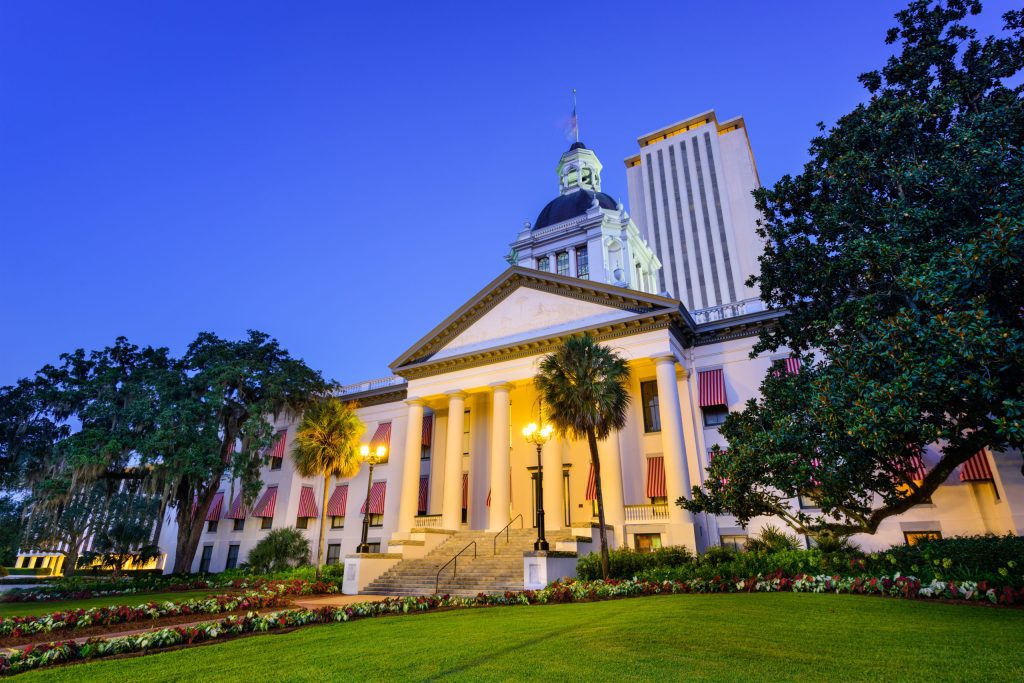
Tuesday was the budget deadline for the state legislature, with the regular session set to end Friday. This week, though, the House and Senate approved legislation—Senate Bill 1134—that would prohibit cities and counties from conducting any activities related to “diversity, equity and inclusion.” The bill passed.
The bill defines such “activities” as, among other things, “preferential treatment or special benefits to a person or group based on that person’s or that group’s race, color, sex, ethnicity, gender identity or sexual identity.” Local officials found to have violated the law could be removed from office or forced to pay damages from lawsuits alleging violations.
Critics said the law is so broad that it could outlaw LGBQT Pride events. Republican legislators—the votes were mostly along party lines—said they added safeguards. Similar restrictions apply to state government. Gov. Ron DeSantis is expected to sign the bill.