Alex Schulze just wanted to surf.
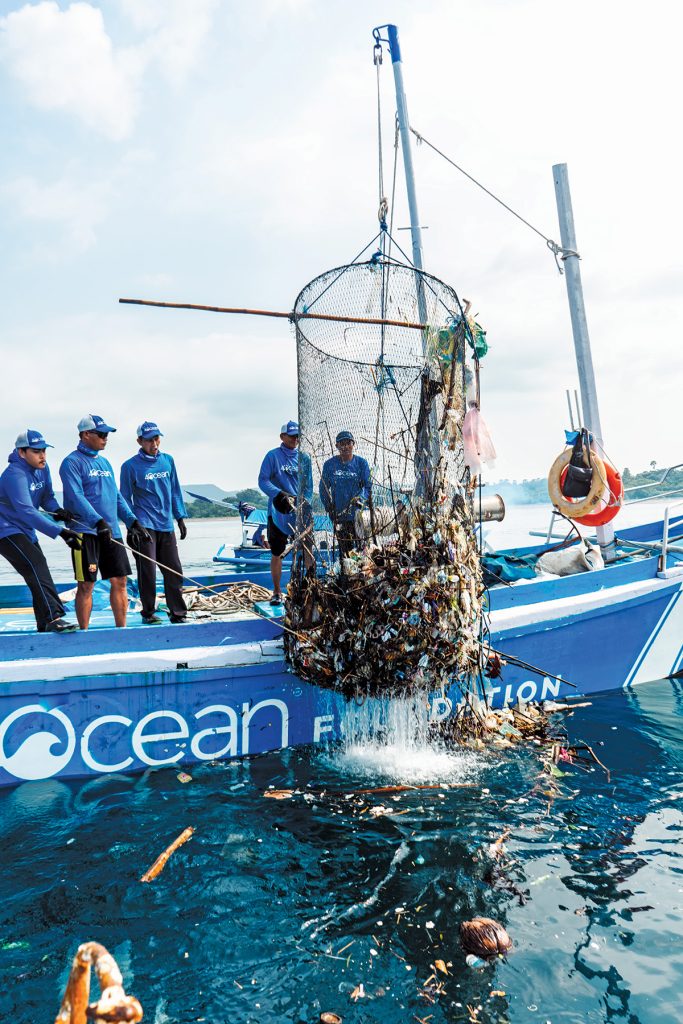
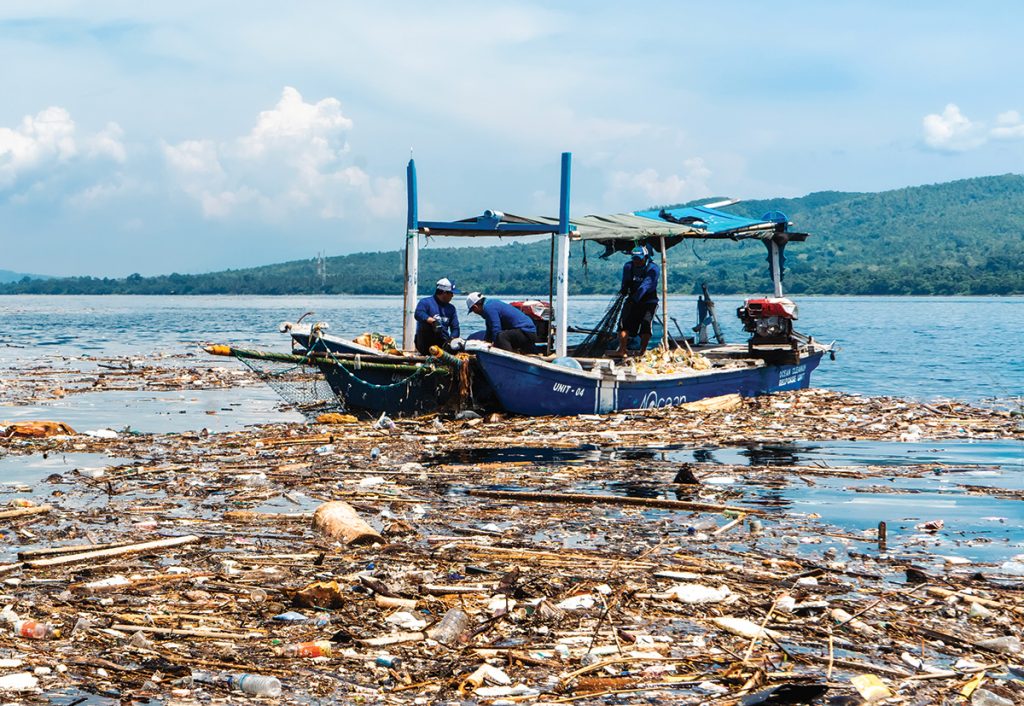
It was 2015 when the 25-year-old graduate of Florida Atlantic University visited Bali, Indonesia with a group of friends to ride its legendary surf breaks. Instead of a coastal idyll, “what we found was an overwhelming amount of plastic on the shorelines,” Schulze recalls. “Just outside of the airport, right in Kuta, in the downtown area, there were just football fields of plastic washing up. … And what we couldn’t understand is the amount of fishermen that were taking plastic out of their nets and just throwing it back into the ocean. There was plastic constantly getting caught in the propellers.”
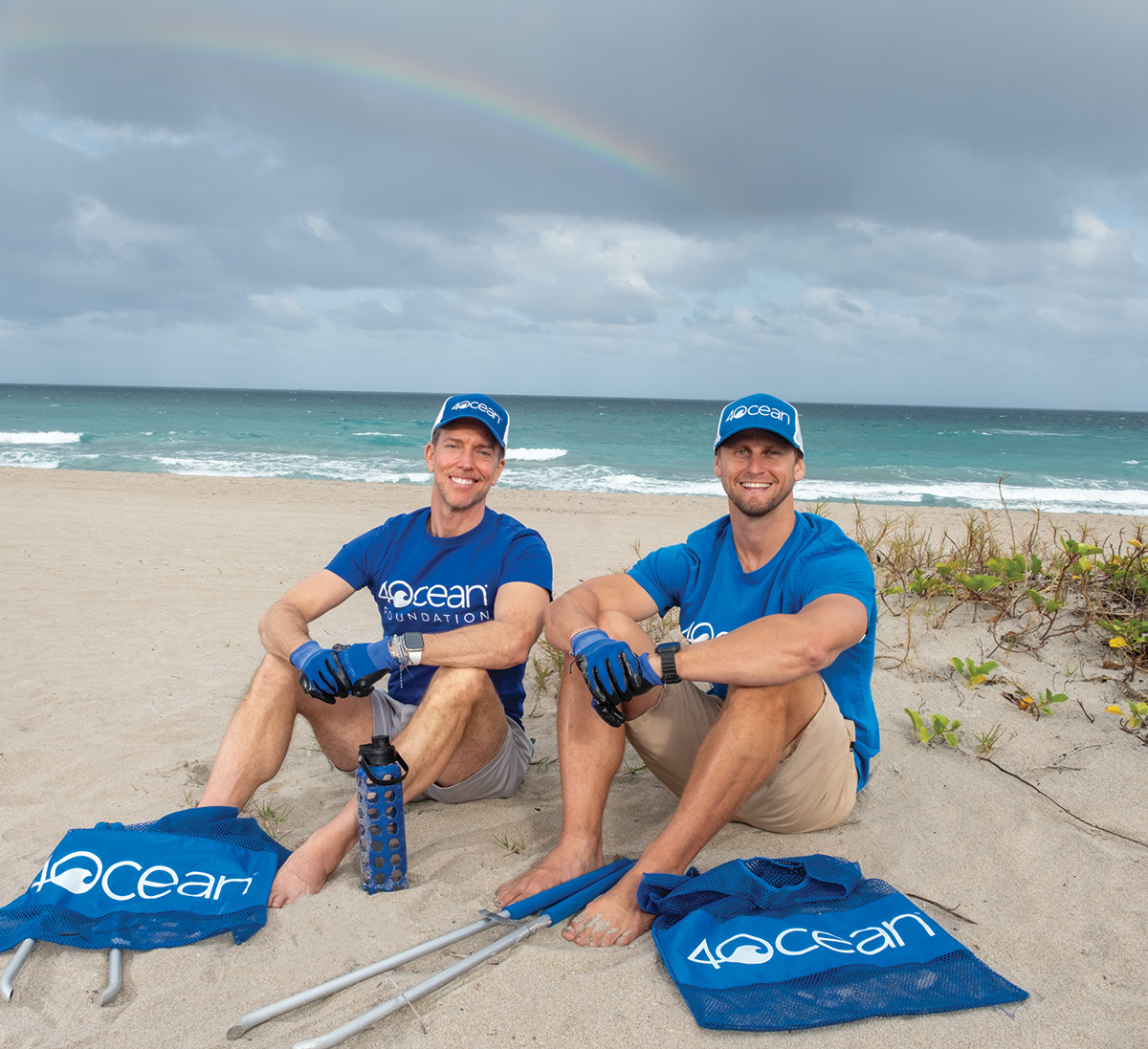
The trip would become the stuff of legend—the a-ha moment that birthed 4Ocean, the business Schulze founded in 2017 with partner Andrew Cooper. “There are fishermen that are struggling to provide for their families, to be able to make a living, because of this material, because of this pollution,” Schulze says, of 4Ocean’s inspiration. “What if we could switch the economic model from paying them to collect fish to getting plastic? That was the first idea and concept that we had, and we brought it back to Florida.”
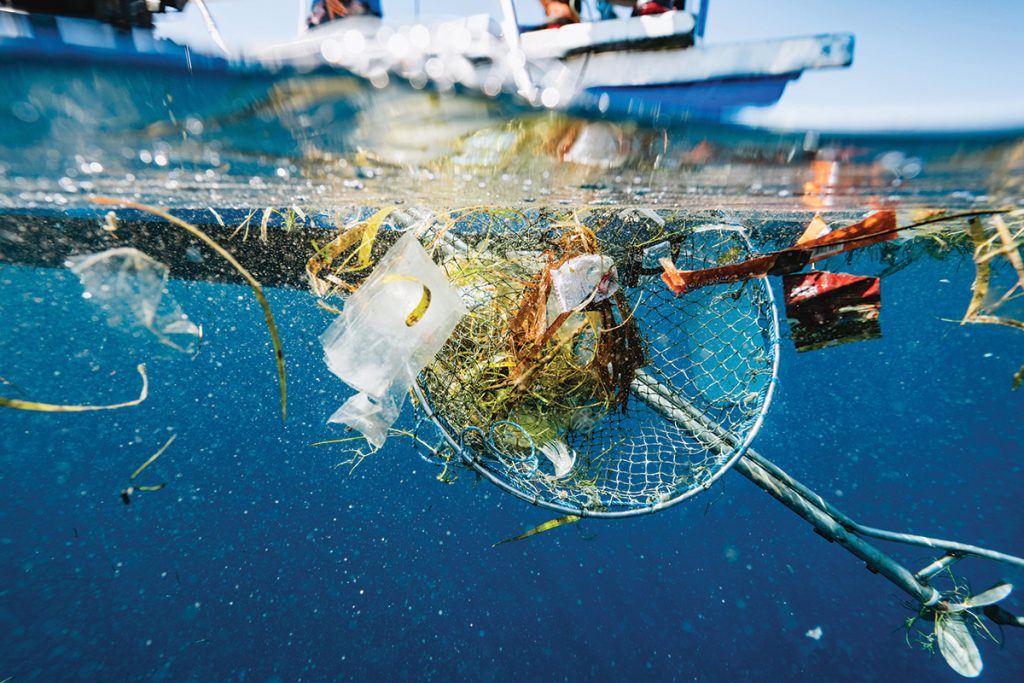
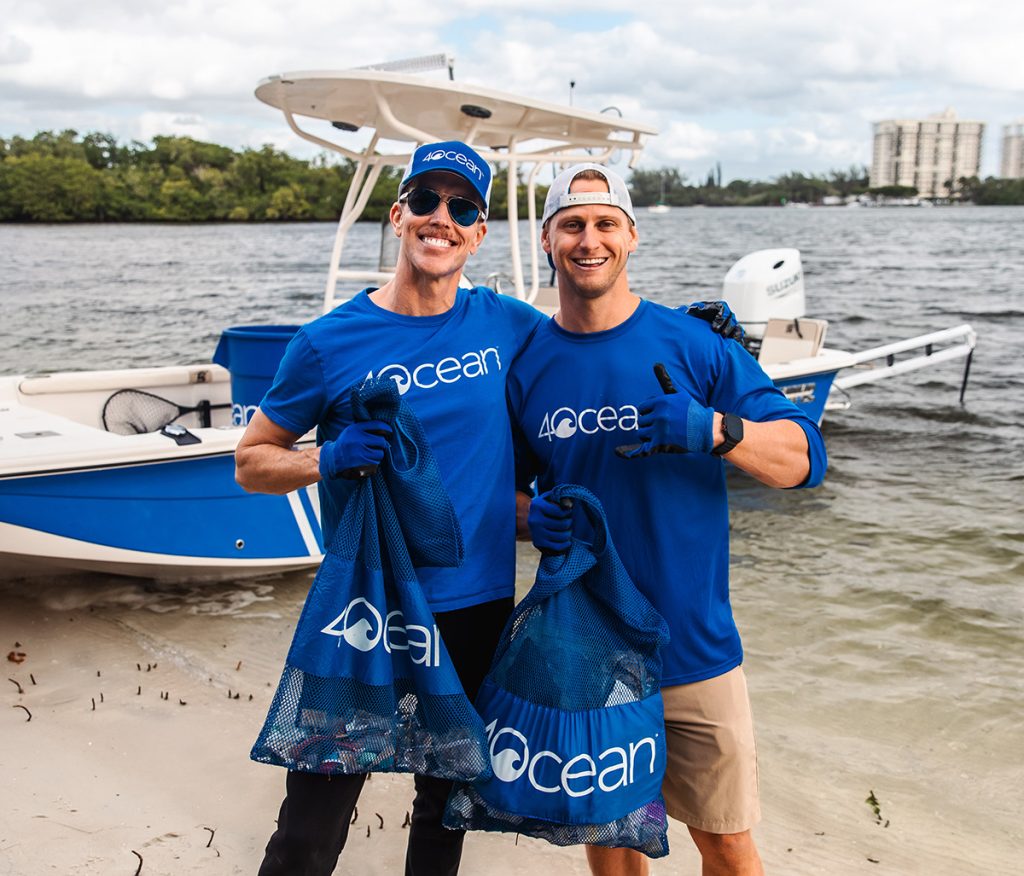
Schulze and Cooper began with cleanups in South Florida, buying secondhand boats from Craigslist and hiring captains. To subsidize them, they started selling apparel—signature artisan-made bracelets, designed from recycled ocean plastic, for $24, T-shirts with the brand’s logo for $30—vowing to remove a pound of trash from the ocean for every product sold.
Nine years after its founding, 4Ocean is recognized among the world’s most successful environmental businesses. Its staff, originally comprising only Schulze and Cooper, now numbers 300, with operational bases in Bali and Java, as well as Boca. (Cooper left the company in 2020.) 4Ocean made Forbes’ “30 Under 30—Social Entrepreneurs” list in 2019, and this past February, the group celebrated a milestone of 50 million pounds of trash removed from our oceans, in a ceremony at Spanish River Park attended by Boca Raton leaders and philanthropists.
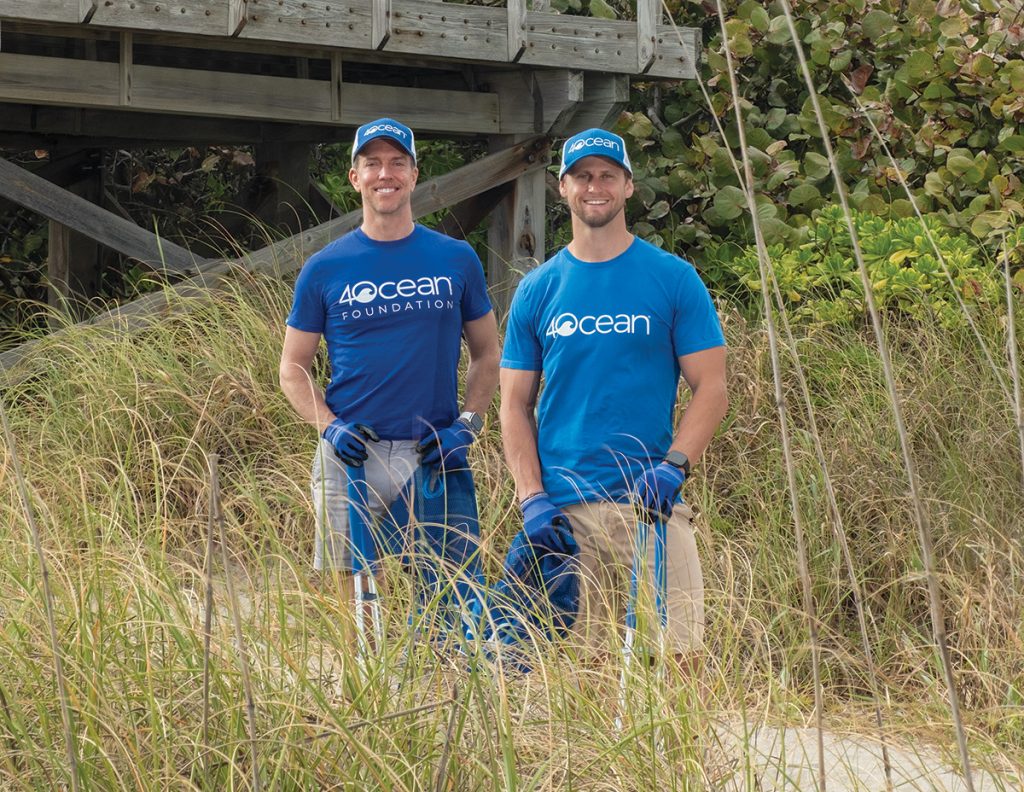
The company enhanced its reach last year with the establishment of the 4Ocean Foundation, a nonprofit arm headed by Jack Lighton, former CEO of Loggerhead Marinelife Center in Juno Beach. Initiatives funded through the foundation include 4Ocean’s expanded, Boca-based cleanup headquarters, where custom-made ocean-cleaning technologies, such as aquatic drones and Roomba-style sand sifters, are being built.
Most recently, 4Ocean Foundation partnered with Team Brady, Tom Brady’s E1 Series offshore powerboat racing team. The foundation committed to removing 100 kilograms of plastic from the ocean for every point earned by the team in the 2025 UIM E1 World Championship (which Team Brady won), a pledge it will double for 2026.
Schulze and Lighton sat down with Boca magazine to discuss the progress of 4Ocean—and the work that still needs to be done.
Outline the problem. Why and how does so much plastic wind up in and around our oceans?
Schulze: There’s a lot of different numbers out there, but it’s estimated over 34 billion pounds of plastic enters the ocean every year. And so you hear these large numbers, and it’s very overwhelming. But I can tell you from personal experience traveling to these different areas that we are very blessed in the United States to have waste management infrastructure. When you toss something away or recycle it, it really does go, to you, away. You don’t have to deal with that.
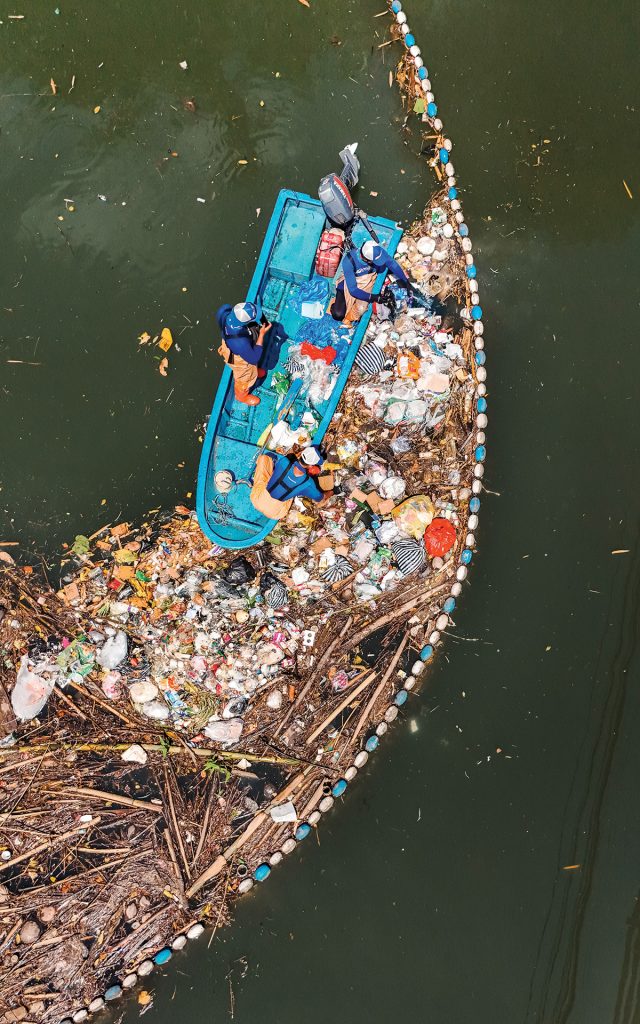
In these developing countries that we’ve traveled to, we see issues where they have a lack of waste management infrastructure. Materials develop and build up in their backyards and literally end up polluting the waterways and the rivers and the coastlines that they deal with. So this material is entering the ocean at an absolutely explosive rate. And these plastic components are not only damaging wildlife in these different areas, but they’re being ingested by wildlife.
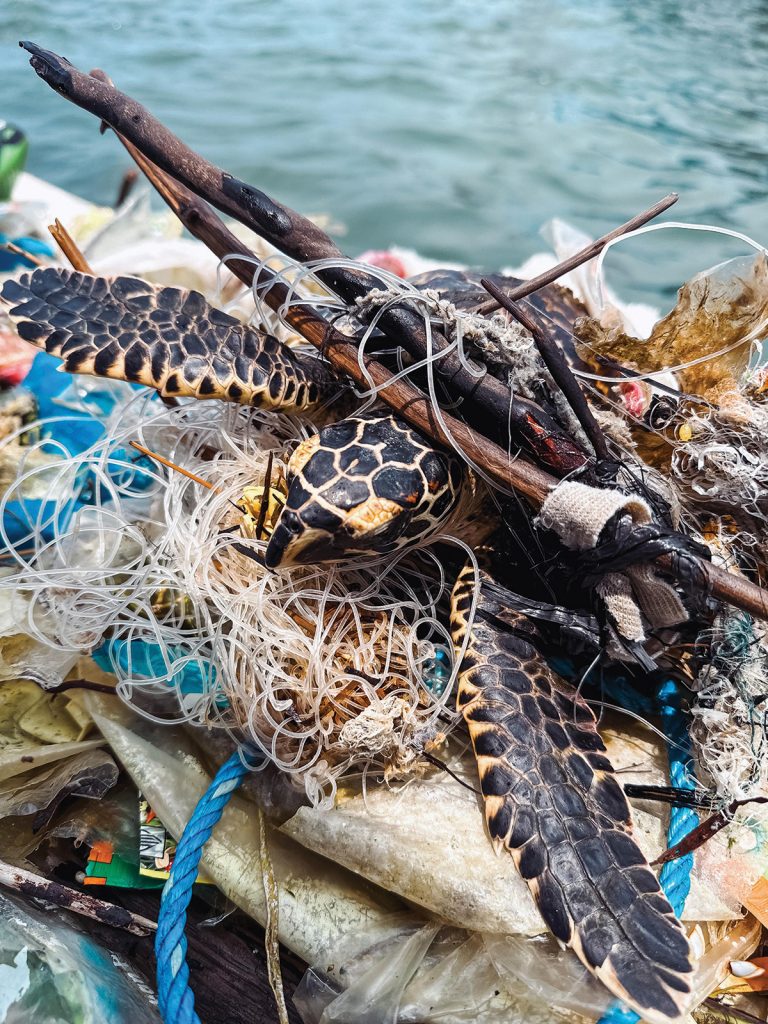
Sea turtles mistake plastic bags for jellyfish. Jellyfish is one of their staple diets. That’s a big component, where a lot of turtles are dying from consuming plastic bags or microplastic. … It’s also making its way into the food chain, so we, as humans, are being affected by microplastic as well. Basically, it’s an endocrine disruptor. It’s affecting hormones overall. And it’s estimated that we are consuming a credit card’s worth of plastic per month right now. Plastic acts as a sponge and really does suck up a lot of toxic chemicals.
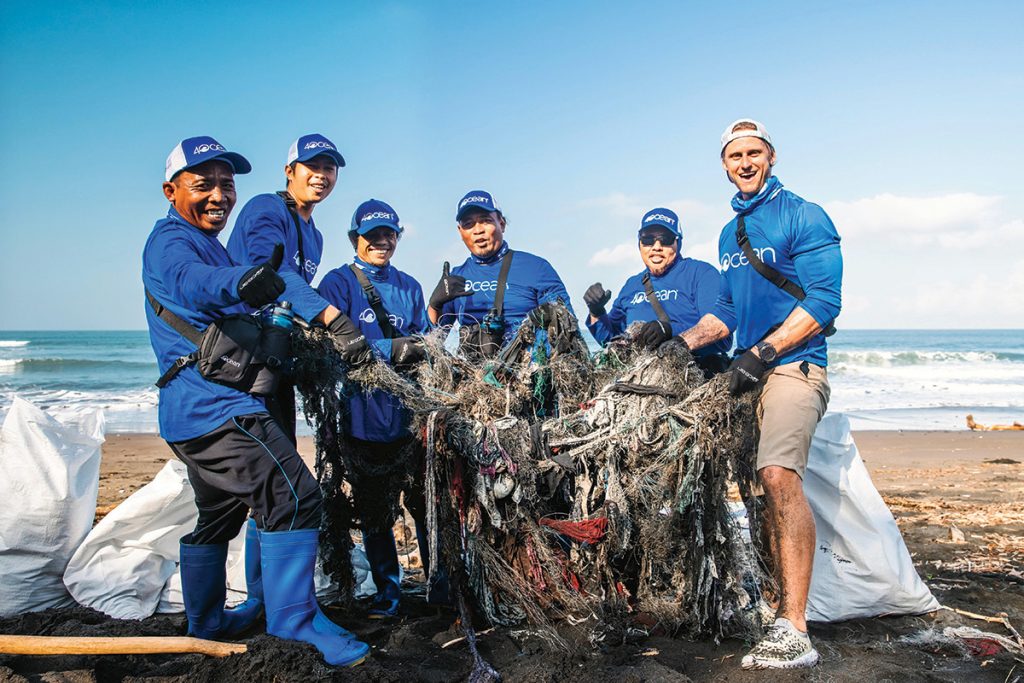
So it’s creating problems all around the world, and the number of pounds of plastic that’s produced yearly is exponentially increasing, which is why we are working very hard to clean the ocean. But we also educate on how we can reduce the amount entering the ocean in the first place.
How did you approach fixing such a daunting problem?
Schulze: One of the phrases that I really like is, “Think global, act local.” And so that’s one thing that we really wanted to try and do, is view a model that we could set up, that we’d be successful to implement on a local-based level, but something that could scale to a global effort.
For anybody that has done cleanups before, it’s not easy. You’re in the sun, you’re sweating, you’re pulling crazy volumes of plastic. And it’s very hard to reach these different areas, with the machinery and equipment needed.
And so it was very overwhelming when we started, but we really wanted to go for progress, not perfection … the idea of, can we find a way to fund this? Can we start out with a local cleanup and expand it? That was more along the lines of keeping our sights set on the future but keeping our head down in terms of the work, to build this brick by brick, to be able to expand captains and crew and grow our cleanup operations at a large scale.
What are some of the countries where you’ve had the biggest impact?
Schulze: The biggest impact is, without a doubt, Indonesia. We did set up operations in Haiti for a while, but there was so much political unrest, and the president got assassinated, and it was no longer safe to travel there, and so we were not able to continue operating.
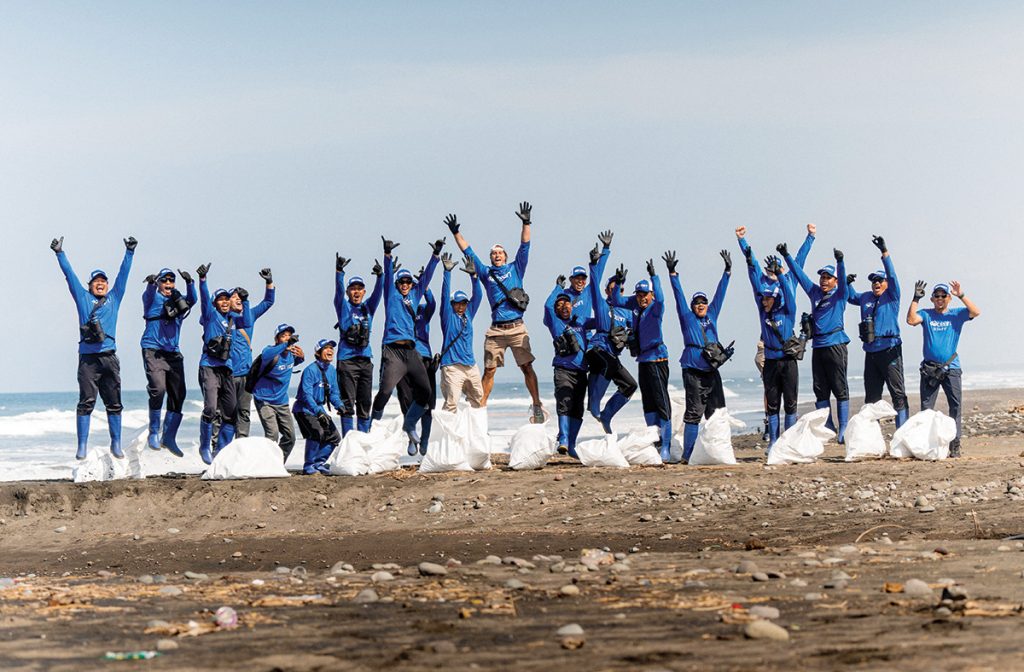
Lighton: A lot of our local readers will say, why Indonesia? Why aren’t we doing it in Boca? We are doing it in Boca. And Alex and 4Ocean have been working with the city of Boca for a very long time. But Indonesia is one of the most biodiverse regions in the world. It’s part of the Coral Triangle. Alex has pinpointed the areas around the world where 4Ocean and 4Ocean Foundation can have the maximum impact, meaning we’re removing more quantities there than we would ever be able to remove in some parts of the United States. … The ocean is one body of water, and it all moves around on currents.
You started 4Ocean as a for-profit business. Are there things you could do as a for-profit that you couldn’t as a nonprofit?
Schulze: Yes. When we first started, we looked at what it would look like to do a nonprofit 501(c)(3), or to do a business. We wanted to look at it as an aspirational brand. Starting out initially as a foundation would have limited us to be able to do certain things, such as operate internationally with very minimal yellow tape. If we want to go set up a cleanup operation, we go and set up essentially like a business: We hire people locally, we get started, we file the necessary permits, and we’re off to the races. I really was inspired by what Yvon Chouinard and Patagonia were able to do [The outdoor apparel company has a foundation arm, Patagonia Action Works, focusing on environmental causes. —Ed]. I knew that I wanted to build a brand that would have a lasting impact.
And so we’ve seen people that have built these movements. You see Yeti, you see Patagonia and Toms Shoes, and these brands that have a concept that builds people around an idea. I do believe, at the end of the day, we have to make cleaning the ocean and sustainability cool. I talk a lot about leveraging athletes, influencers, celebrities. That was one of the main focuses, starting out with a brand and a business.
And we did start out as a business, but we’re a public benefit corporation. As an LLC, you are purely accountable to direct return to shareholder value. As a public benefit corporation, the mission is held on the same level as the bottom line, not purely as far as shareholder interest.
Speaking of your brand, how does it feel to see your iconic logo sticker on the back of some stranger’s car?
Schulze: It’s pretty cool. That’s one of the funnest things. I get texted all the time of people in different countries, different states, just sending us photos of the stickers on people’s laptops or on the back of cars, and it’s so cool to see that level of commitment to the clean ocean movement.
How has the 4Ocean Foundation expanded the mission, and how did it get off the ground?
Lighton: Alex helped launch the foundation at a point in time where 4Ocean, the public benefit corporation, really matured and had the cleanup operations in a very sophisticated, very effective way. I have been very fortunate to run a number of nonprofits, both here in South Florida and then internationally. I’ve known Alex for a long time, and he supported me personally and professionally when I was at Loggerhead Marinelife Center. We aligned on the mission, but we really aligned personally, and that means a lot to me.
When Alex explained his vision for the model of 4Ocean, which is very similar in structure to what Patagonia has created, to me as a nonprofit executive, that was incredibly intriguing. Many nonprofits establish themselves with a vision, and then they have to fundraise to build every single piece of the infrastructure. … Alex had already built the infrastructure, and then a portion of that system was essentially inherited and taken over by the Foundation. It was effective. It was built. It was established, blueprinted, and very, very scalable from day one.
And to me, as a nonprofit leader, I’m all in to build the infrastructure of a world-class organization. But wow, was it fun to step into 4Ocean Foundation and know that we had the blueprinted support of essentially a battle-tested business infrastructure. It is a world-class change from how most philanthropies are set up, not to mention having an independent, outstanding board of directors and all of the tools made available to us by 4Ocean. It really allowed the foundation to launch year one and catapult to over 3.5 million pounds of pollution collected in year one. It’s just an outstanding number.
How did you bring Tom Brady into the cause?
Schulze: I was fortunate to be able to do a panel discussion with Tom at the E1 event that was held down here in Miami. And this is an amazing thing; more celebrities are getting involved with sustainability-based activations. They’re becoming more aware of what’s happening across the world when it comes to plastic pollution, and the impacts it is having on both humans and wildlife.
I had the chance to connect with Tom. It was pretty intimidating. He was locked into a conversation. We had a very busy event, and there were people everywhere, and he and I got a chance to talk for five to seven minutes, and he was just locked in. He’s very passionate about ocean conservation. And so for him, with E1 supporting sustainable race series, they wanted to partner with 4Ocean as their sustainability partner to help fund the cleanup of plastic from the ocean.
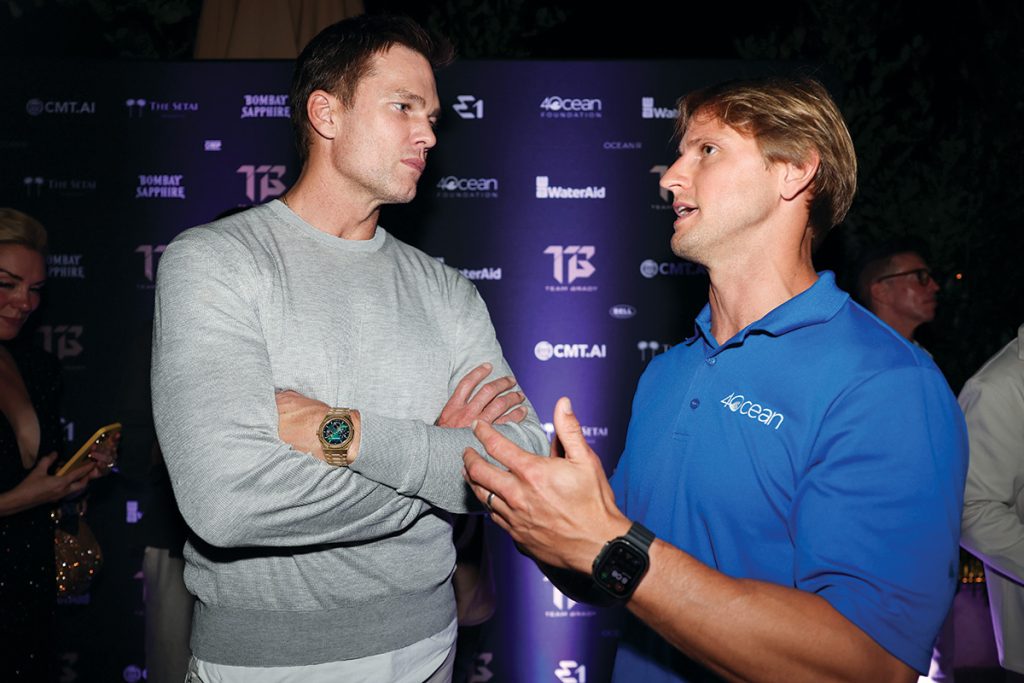
Lighton: You can imagine that Tom Brady doesn’t put his fingerprint on an organization unless they’re ready, they’re validated, and they’re verified. So it was a huge honor to have him come onboard. And so much has come off of that. To see the commitment that Team Brady has to sustainability in all levels of their team’s operation, and then their desire to do something incredibly tangible with us, which is clean up the ocean, we could see, hear and feel that Team Brady was operating at another level.
What are some things we can be doing in our lives to reduce plastic consumption?
Schulze: Many people are so intimidated by the overwhelming facts and statistics around plastic, and does it really matter the straw that I use or this bottle that I use, and does it really have an impact? What I like to tell everyone is, take baby steps. We’re starting out with the lowest hanging fruit that our captains and crew are finding on a daily basis—single-use plastic bottles, plastic shopping bags, plastic cutlery, disposable red plastic cups—all the materials that you use on a daily basis that provide a certain level of convenience.
We just encourage [people] to take one at a time. Let’s just tackle water bottles. Make a commitment, or at least try: Instead of buying water bottles, I’m going to bring a reusable bottle with me everywhere that I go, and I’m going to try and refill that. Then the next thing, I’m going to put reusable bags in my car when I go to the grocery store, and I’m going to turn down those plastic bags.
Plastic is a wonderful material. Plastic is not the enemy, at the end of the day. It’s the application or the utility of the plastic that has to be targeted. Plastic by nature is amazing—it’s lightweight, it’s cheap to produce, it’s mold-resistant, fire-resistant, rot-resistant. But when you put it into application like single-use plastic, that might be used for six minutes going from the grocery store to your home, and then you’re going to toss it out and it lasts forever, that is the kind of thing we try to target here at 4Ocean.
So what I would recommend to individuals out there is just start small. Little acts add up, and collectively we could have a massive impact together.
To learn more about 4Ocean, visit 4ocean.com.
This story is from the April 2026 issue of Boca magazine. For more like this, click here to subscribe to the magazine.